Military tension in the Middle East has escalated to a new and dangerous stage
The situation in the Middle East is becoming increasingly tense, and military-political tension in the region has reached a new stage. This was reported by Zamin.uz.
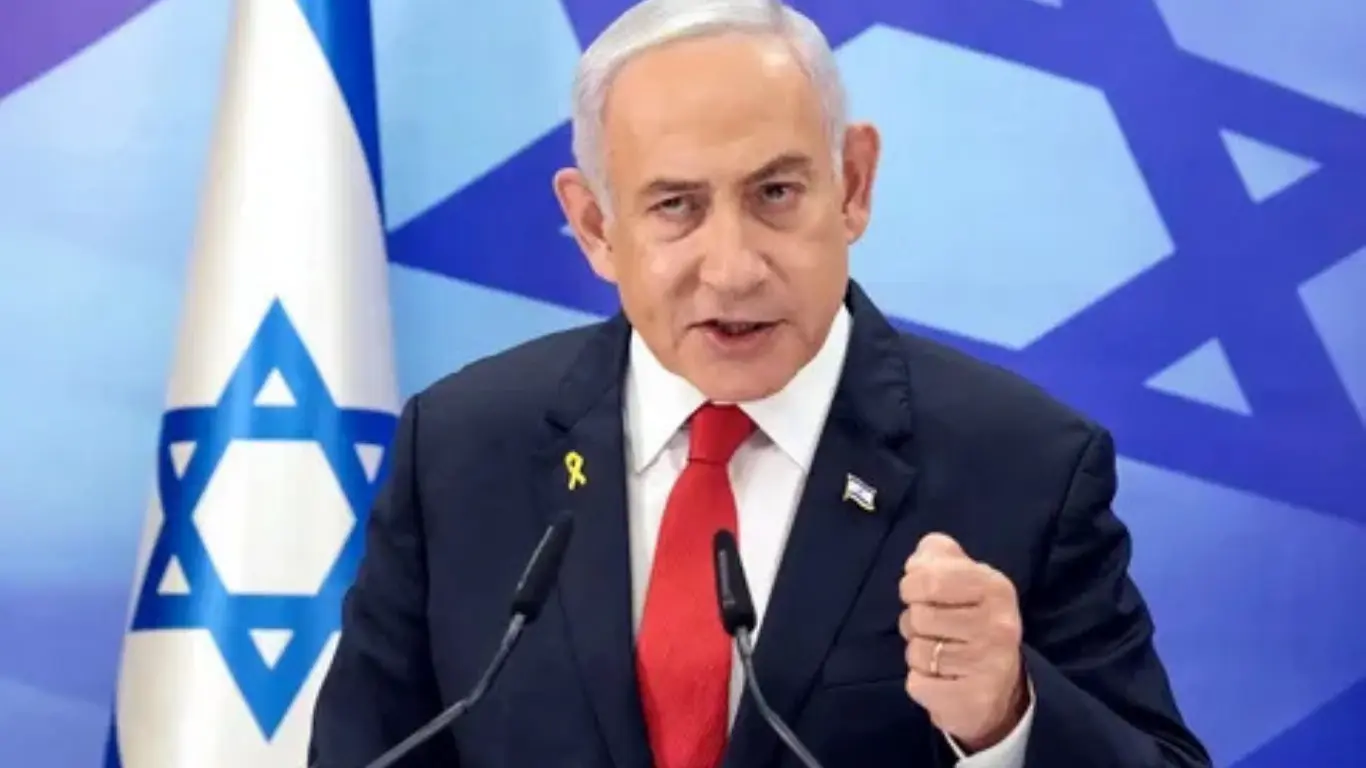
Israeli Prime Minister Benjamin Netanyahu warned that military operations could intensify if Iran refuses to hand over its enriched uranium stockpiles to a third party. Meanwhile, the Speaker of the Iranian Parliament stated that ongoing negotiations with the United States are ineffective and that there is no point in continuing them.
The balance of military power in the region is also shifting. The United States continues to strengthen its military presence in the Middle East.
Currently, more than fifty thousand American soldiers are stationed in the region, and thousands of Marines from the San Diego base are being deployed as reinforcements. These actions are seen as a response to Iran's activities in the Strait of Hormuz.
The Iranian government, citing a breach of the ceasefire agreement, has begun turning back ships attempting to pass through the strait. Furthermore, Iran's Islamic Revolutionary Guard Corps emphasized that it would fulfill its obligations to Hezbollah and respond sternly to Israel's attacks on Lebanese territory.
Washington, for its part, is reviewing strategic plans involving its European partners. The U.S. administration is discussing the closure of one of its major bases in Europe.
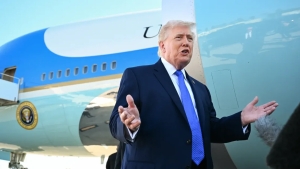
This decision may be due to a country that refused to allow its territory to be used for operations against Iran. Donald Trump has criticized the stance of NATO member states regarding the situation with Iran.
He is developing a plan to withdraw American troops from allied countries that are not actively participating in military operations and relocate them to areas that are supporting the operation. These steps are causing significant resonance in the international political arena and raising concerns within the world community.
The breakdown of diplomatic relations between the parties is further increasing the risk of full-scale conflicts in the region.