

Escalation in the Middle East poses a serious threat to regional stability
The situation in the Middle East is escalating day by day, posing a serious threat to regional stability. This was reported by Zamin.uz.
The latest airstrikes carried out in Lebanon are undermining international attempts to establish peace. The bloody clashes and the deepening diplomatic crisis currently taking place in the region are causing serious alarm for the international community.
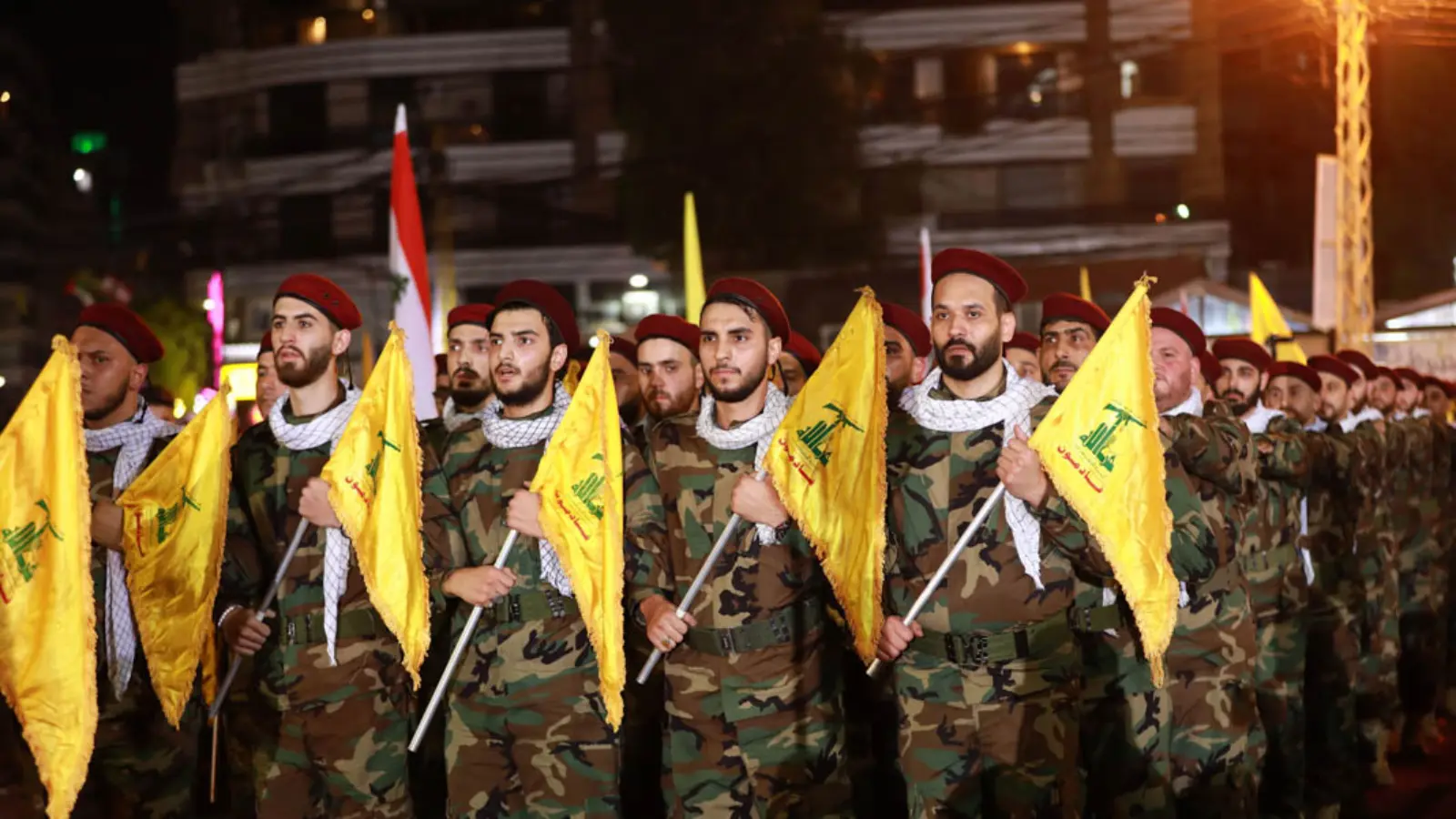
Following the devastating airstrikes in Lebanon, the Hezbollah group began its response operations. Attacks on the Manara area in northern Israel on Thursday further complicated the situation.
Representatives of the group called this attack a natural response to the gross violation of international agreements by Israel. Hezbollah's statement emphasized that as long as the policies pursued by Israel and its allies remain unchanged, retaliatory operations will not cease.
Data provided by the Lebanese Ministry of Health shows the extent of the tragedy. To date, at least 182 civilians, including women and children, have been killed.
The number of injured has exceeded 890. Along with military targets, civilian infrastructure, residential buildings, and hospitals have suffered serious damage, causing the humanitarian situation to become extremely dire.
United Nations Secretary-General António Guterres strongly condemned the large-scale military operations in Lebanon. In his opinion, such actions could completely destroy the fragile truce agreement that has just begun to take shape between the US and Iran.
UN spokesman Stéphane Dujarric also noted that the bloodshed in the region is the greatest obstacle to stability. The biggest risk at the moment is the cancellation of the two-week ceasefire between Iran and the US.
The fact that Israel and Washington are not applying these truce terms to Lebanese territory is causing sharp protests from Tehran. Iranian officials have announced that they are seriously considering withdrawing from the truce and canceling agreements as long as Israeli attacks continue.
Developments in the Middle East show that Hezbollah will continue to act in coordination with its ally, Tehran. This indicates that the process of achieving long-awaited peace in the region will be very complex and lengthy.
The international community is required to immediately take diplomatic measures to de-escalate the situation and take concrete steps to ensure the safety of civilians. The possibility that these clashes could turn into a broader regional war still remains.