




Electric vehicles can help to significantly reduce the cost of charging
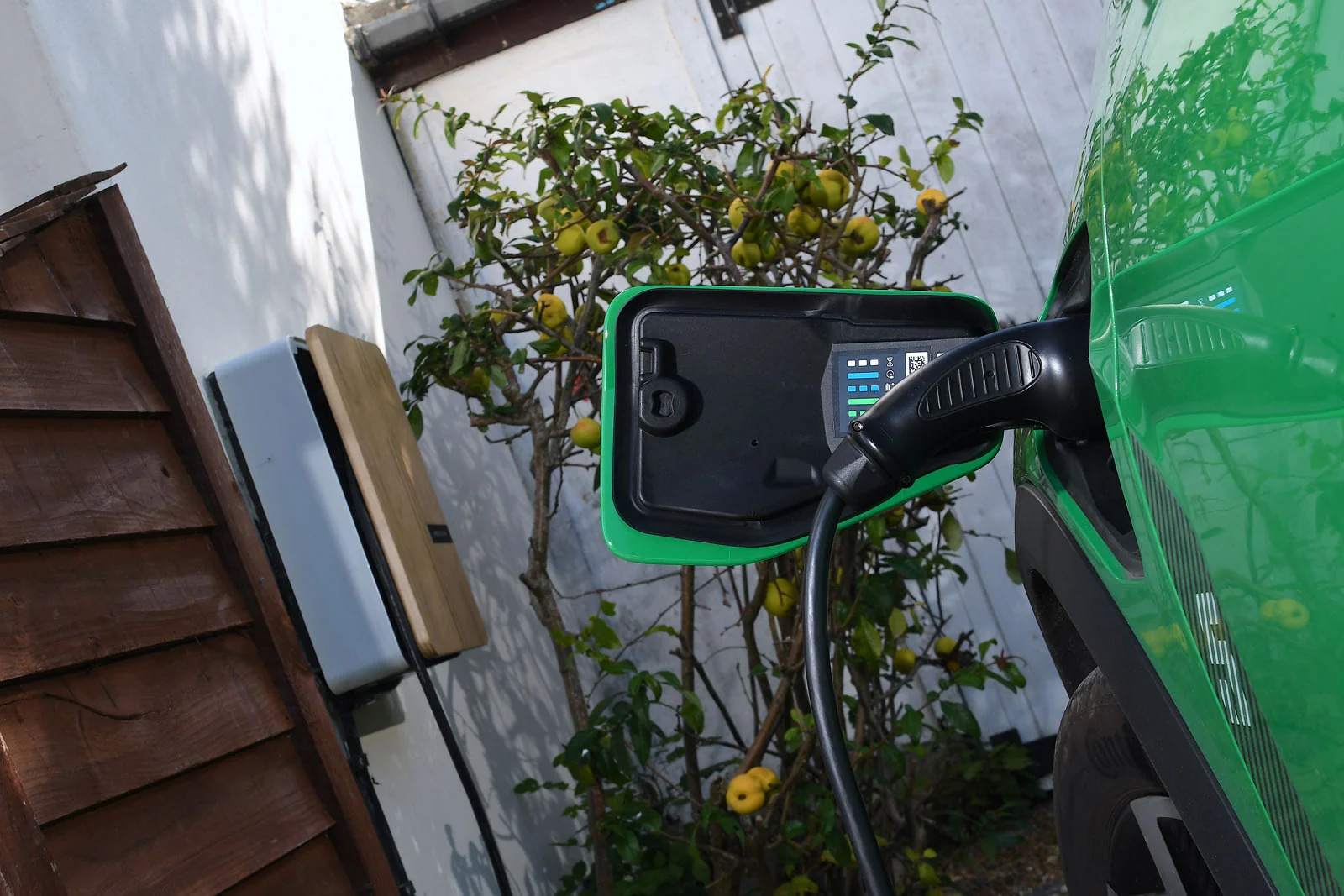
While interest in electric vehicles is growing worldwide, one of the most pressing concerns for drivers remains managing charging costs. This was reported by Zamin.uz.
According to recent data, although home charging remains the most cost-effective method even with fluctuating electricity tariffs, there are several nuances to consider when selecting a tariff. Nearly sixty percent of consumers still use standard variable tariffs, which often leads to unnecessary expenses.
For example, under a standard tariff, the price of one kilowatt-hour of electricity averages twenty-six kopecks, whereas with an annual fixed tariff, this rate can drop as low as twenty-two kopecks. If you drive a modern crossover covering more than twelve thousand kilometers per year, choosing the right tariff can help you save a significant amount annually.
These figures apply only to home charging. It’s important to remember that prices at public fast-charging stations can be several times higher.
Currently, energy suppliers are offering special preferential tariffs for electric vehicle owners. These tariffs sharply reduce prices during nighttime hours, when the load on the power grid is lower.
Some companies have set particularly low rates for night charging, which can reduce annual expenses by several times compared to standard tariffs.
It’s worth noting that such tariffs can be used not only for charging electric vehicles but also for operating other household appliances. For instance, scheduling a washing machine or dishwasher to run during this period can significantly lower overall electricity costs.
However, these tariffs also have specific drawbacks. While night rates are low, daytime tariffs may be higher than usual.
Therefore, consumers need to plan their usage carefully. In the market, major energy companies compete with each other, offering favorable conditions to customers.
Some providers further reduce prices under certain conditions. To benefit from such low rates, users are often required to own smart charging devices.
Additionally, some companies offer special discounts on weekends. For example, offering electricity at half price during daytime hours on Sundays provides an excellent opportunity for electric vehicle owners to recharge their weekly supply.
In conclusion, achieving savings with an electric vehicle requires more than just choosing the right car. Regularly monitoring electricity tariffs in the market and making effective use of modern technologies play a crucial role in managing household budgets.
A well-chosen tariff and a thoughtfully planned charging schedule ensure financial efficiency for every driver.
