


NVIDIA's new platform is valued at twenty one million dollars
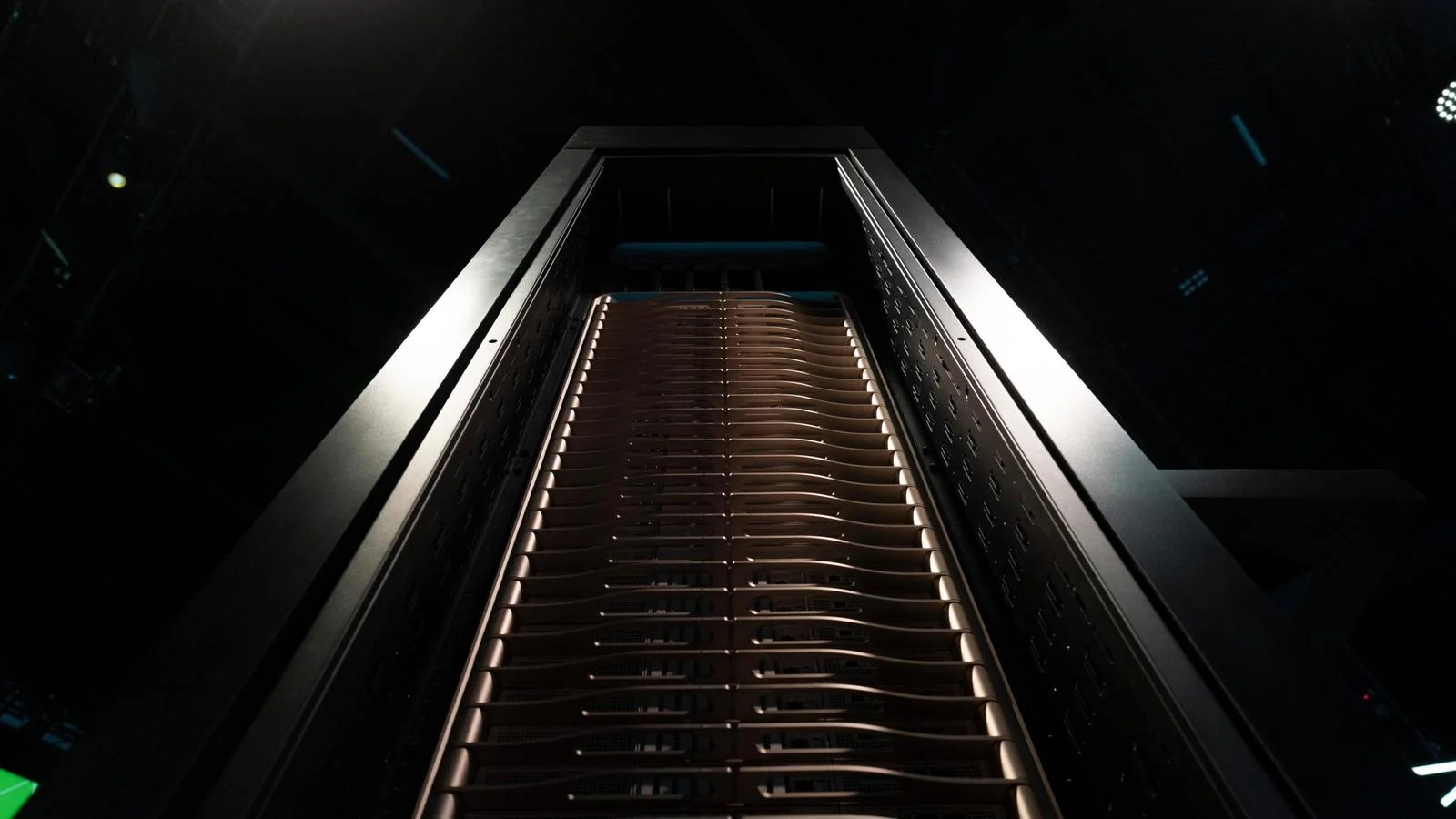
NVIDIA Corporation, which maintains absolute leadership in the artificial intelligence technology market, is preparing to set new price records in the industry with its next-generation Rubin Ultra platform. This was reported by Zamin.uz.
According to calculations by analysts at global research centers, the cost of this high-performance AI hardware suite is expected to reach approximately twenty-one million dollars. Such an enormous figure is astonishing not only to the tech world but also to major financial institutions.
This news highlights how rapidly the cost of modern computing power is rising. For comparison, the currently widespread Blackwell Ultra hardware suite is estimated to cost around four million dollars.
Standard Rubin systems, meanwhile, are estimated to sell in the range of six to nine million dollars. The sharp price increase of the Rubin Ultra model is directly linked to its internal architecture and unprecedented memory capacity.
Experts believe this high price will further strengthen NVIDIA’s position in the large corporate segment and push competition to a new level. One of the most expensive components of the Rubin Ultra system is its high-bandwidth fast memory modules.
According to analyses, these memory components alone account for half a million dollars of the system’s total cost. Additionally, the newly implemented technological solutions in the system elevate its performance efficiency to an unprecedented level.
Such technical capabilities are considered significant for training complex neural networks and processing massive data volumes. The growth in memory capacity is truly astonishing.
If the standard Rubin model features two hundred fifty-six gigabytes of fast memory per graphics processor, the Rubin Ultra version doubles this figure to five hundred seventy-six gigabytes. As a result, the entire hardware suite has a total fast memory capacity of approximately ninety-three terabytes.
This enables a several-fold increase in the speed of processing AI models. Economically speaking, analysis shows that the cost per gigabyte of memory in the Rubin Ultra system has remained nearly unchanged.
According to estimates, the price per gigabyte of memory is almost identical across standard and high-end models. Therefore, the sharp rise in overall price is not due to unjustified inflation of the technology itself, but rather to a significant increase in the number of structural components integrated into the system.
For countries like Uzbekistan, which are undergoing digital transformation from scratch, such technologies currently appear very expensive. However, the ability to access this power remotely via global cloud services opens broad horizons for local developers and new projects.
NVIDIA’s Rubin line is expected to become a key driver of artificial intelligence development in the global economy in the coming years. In conclusion, this twenty-one million dollar technology serves as a foundation for the digital future.