



The President signed a decree on the full mechanization of cotton harvesting
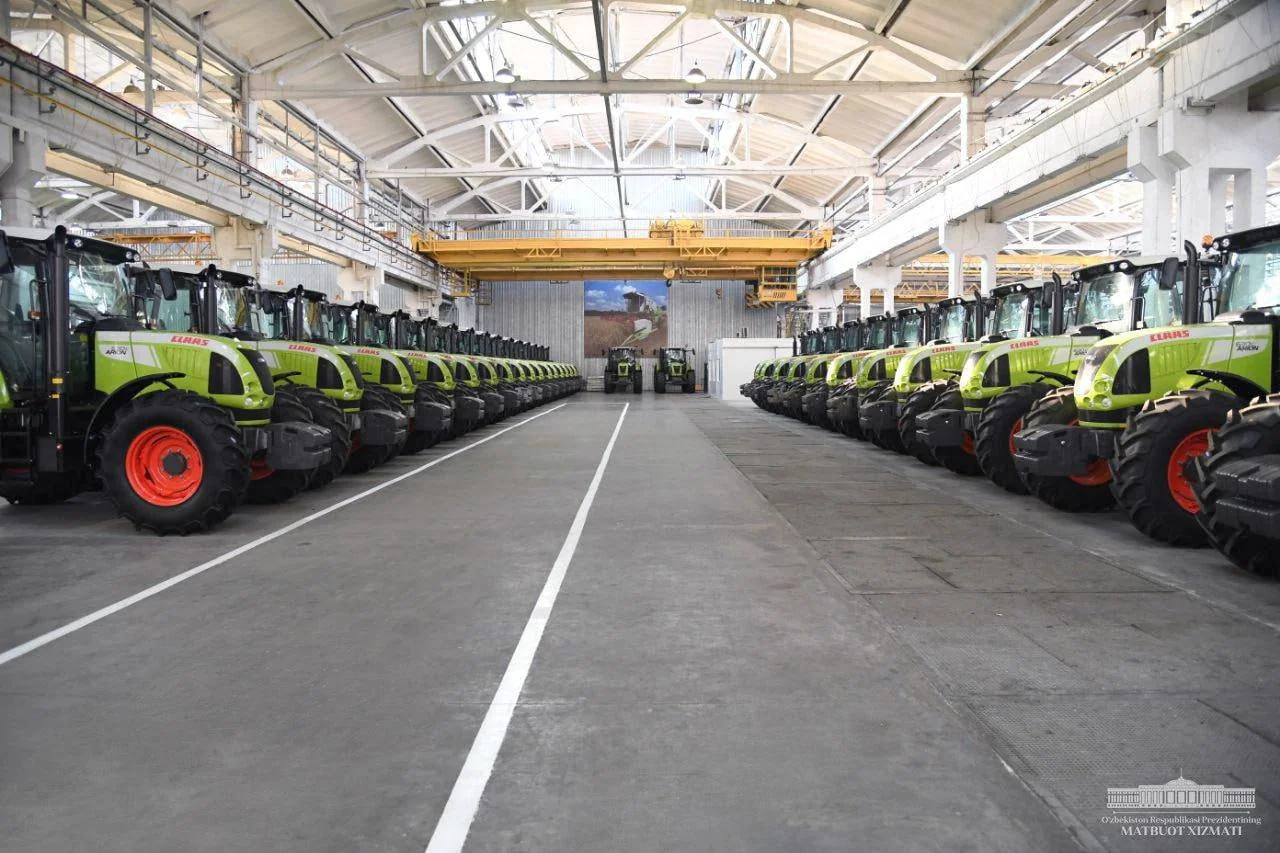
The President of Uzbekistan signed a significant decree on March 13, 2024, aimed at equipping the agricultural sector with modern technologies. Zamin.uz reported on this.
The main objective of this decision is to improve the quality of farming operations in our country and increase efficiency through the mechanization of labor processes. The primary task set by the state is to ensure that at least seventy percent of the cotton harvest is fully collected using specialized machinery by 2026.
This will allow for a sharp reduction in reliance on manual labor and an increase in production volumes. To implement these ambitious plans, the government announced the allocation of funds up to four hundred million US dollars.
Funds will be attracted through foreign credit lines under state guarantees and delivered to farmers via commercial banks. This financial assistance is directed towards the purchase of new and advanced machinery used in farming.
As a result, each producer will be equipped with the necessary modern equipment and gain the opportunity to produce large volumes of products. The decree also establishes very favorable financing terms for farmers.
Commercial banks have been instructed to provide loans in national currency for the purchase of all types of agricultural machinery. These loans are granted for a term of ten years, with a two-year grace period on payments provided.
The loan interest rate is determined by adding a four percent margin to the Central Bank's key rate. This makes investing even easier for local farmers.
Furthermore, the payment procedure has been simplified for farmers who purchase cotton and grain combine harvesters. Starting from 2026, borrowers will be required to make payments only twice a year: at the end of January and at the end of July.
This systematic approach is fully aligned with the seasonal nature of farming income. Through this, farmers can achieve financial stability and transition to full mechanization of their production processes.
This will serve as a solid foundation for the future development of the country's agriculture.