



Benjamin Netanyahu and Donald Trump Discuss Iran Issue
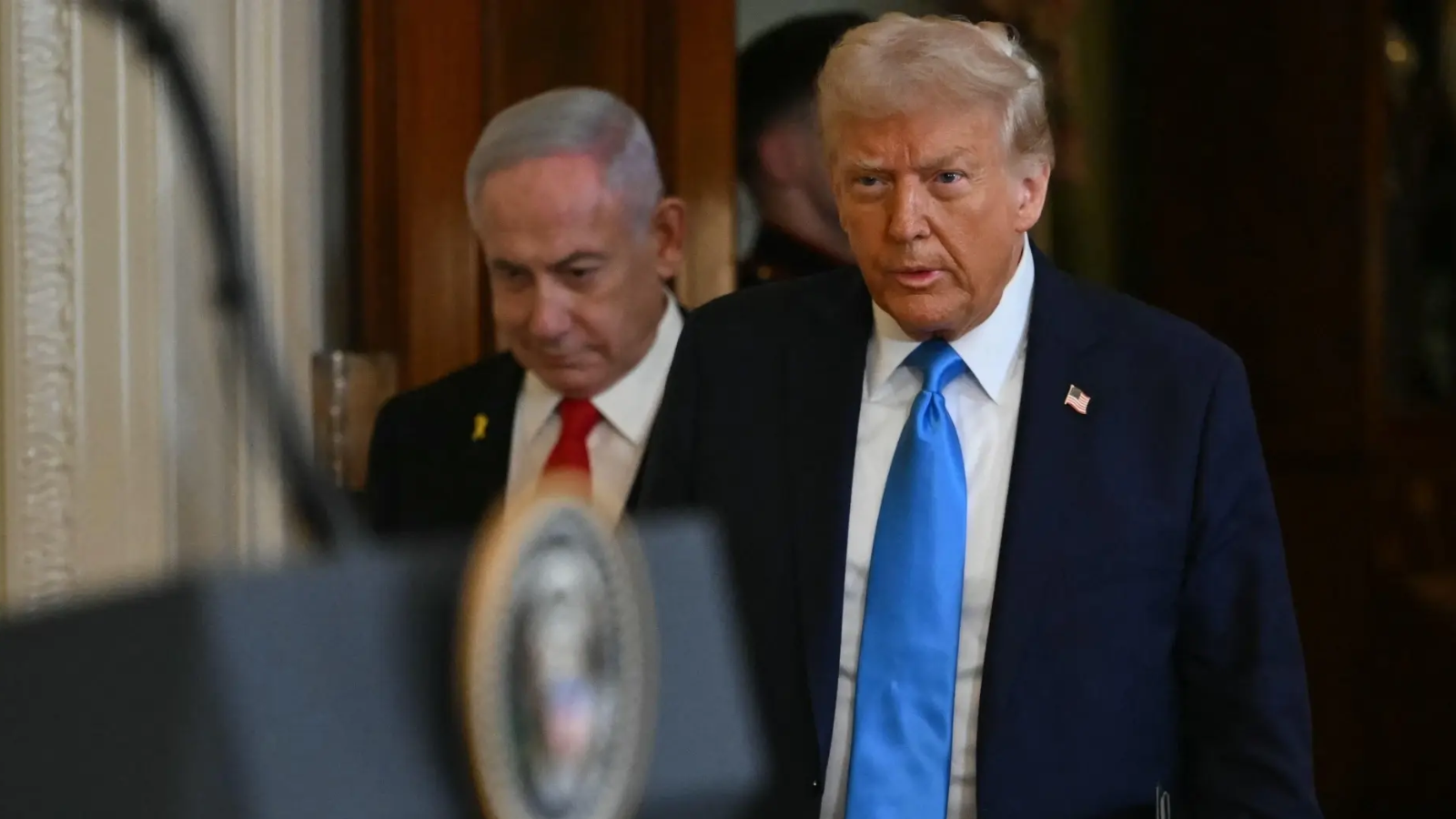
As the political and military situation in the Middle East continues to intensify, a significant dialogue took place between the leaders of two major powers at the center of global attention. This was reported by Zamin.uz.
According to information provided by a representative of the Israeli Prime Minister’s Office to international media, Benjamin Netanyahu and U.S. President Donald Trump held a telephone conversation in which they thoroughly discussed the current situation in the region and the ongoing military actions against Iran. This intense exchange occurred during a highly important and confidential security gathering in Israel.
Netanyahu had previously indicated his intention to contact the White House during a cabinet meeting. As emphasized by the head of the Israeli government, the purpose of this conversation was to exchange views on financial matters and to jointly prepare for various possible scenarios that may arise.
Currently, both states are signaling their readiness for any unforeseen developments. The seriousness of the situation is further confirmed by reports from influential publications.
According to sources, Washington and Tel Aviv are planning new and significantly stronger military operations against Iran. This plan envisages broader strikes against Iran’s military installations and critical infrastructure systems.
From the perspective of the U.S. leadership, the main phase of Iran’s military buildup has already been completed in practice, but achieving the final outcome requires additional measures. At the same time, both sides have put forward their firm conditions for halting hostilities and returning to the negotiating table.
However, the gap between their positions remains substantial. The Iranian side demands an immediate cessation of military actions, the cancellation of all economic sanctions, the return of frozen funds, and compensation for inflicted material damage.
Furthermore, Tehran seeks recognition of its sovereignty over strategic waterways. In turn, the United States has also stated its demands.
Washington requires Iran to waive all financial claims, hand over its enriched uranium stockpile, and sharply restrict the activity of its nuclear installations. According to the American side, the cessation of military strikes is directly linked to Iran’s acceptance of these conditions.
Whether stability is established in the region or tensions escalate further depends entirely on the outcome of these complex negotiations.