<|channel>s_thought <channel|>Jons Hopkins scientists revealed the blood-sucking mechanism of ticks
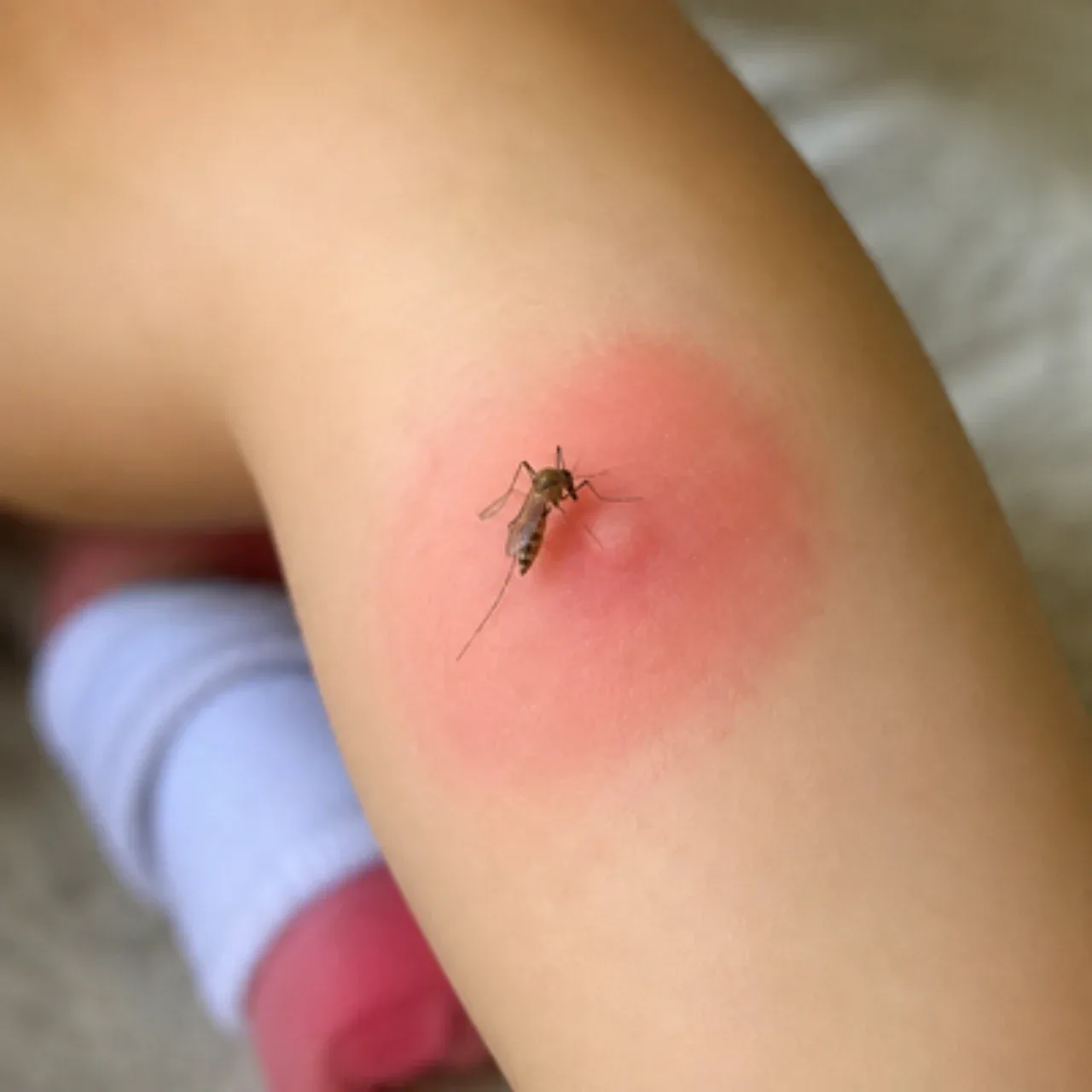
Scientists at Johns Hopkins University observed in high definition how the proboscis and sensory systems of a mosquito work when it bites human skin. One.uz reports this.
The research results were published in the journal Science Advances. Using special video cameras and micro-sensors, five sequential stages of the biting process were identified: piercing the skin, searching for a blood vessel, sucking blood, extending the proboscis, and completing the bite.
When a mosquito pierces the skin, not only the proboscis but also its legs and receptors around the mouth become active. Once blood suction begins, the insect remains completely still for safety.
Faster than the Aedes aegypti mosquito Scientists compared the Anopheles coluzzii species with the Aedes aegypti (Aedes aegypti) mosquito. The Anopheles coluzzii mosquito finds a blood vessel on average 17 seconds faster.
In both species, the duration of biting and feeding is almost the same—approximately 2.5 minutes. In these species, which diverged 150 million years ago, the blood-feeding mechanism evolved independently.
The role of the IR76b gene In the experiment, the IR76b gene, which is responsible for the mosquito's sense of smell, was turned off. Mosquitoes without this gene almost completely lost the ability to find blood vessels, and blood-feeding efficiency dropped sharply.
Scientists concluded that deep study of the mosquito's sensory system and movement mechanism will help in the future to create new effective tools to protect humans and animals from malaria and other infectious diseases.