5G technology can help autonomous vehicles overcome challenges on the road
Wireless communication technologies play a significant role in the development of modern transport systems, particularly in the implementation of intelligent traffic management on roads. This was reported by Zamin.uz.
In the future, ensuring rapid data exchange between autonomous vehicles will require fifth-generation networks, or 5G technology, to serve as a key foundation. International publications regularly provide updates on innovations in this area and changes in the field.
However, recent studies conducted by researchers from the University of Glasgow and Heriot-Watt University in Scotland have revealed unexpected technical challenges. According to the findings, even the most advanced and high-speed communication systems can experience unforeseen disruptions under certain conditions.
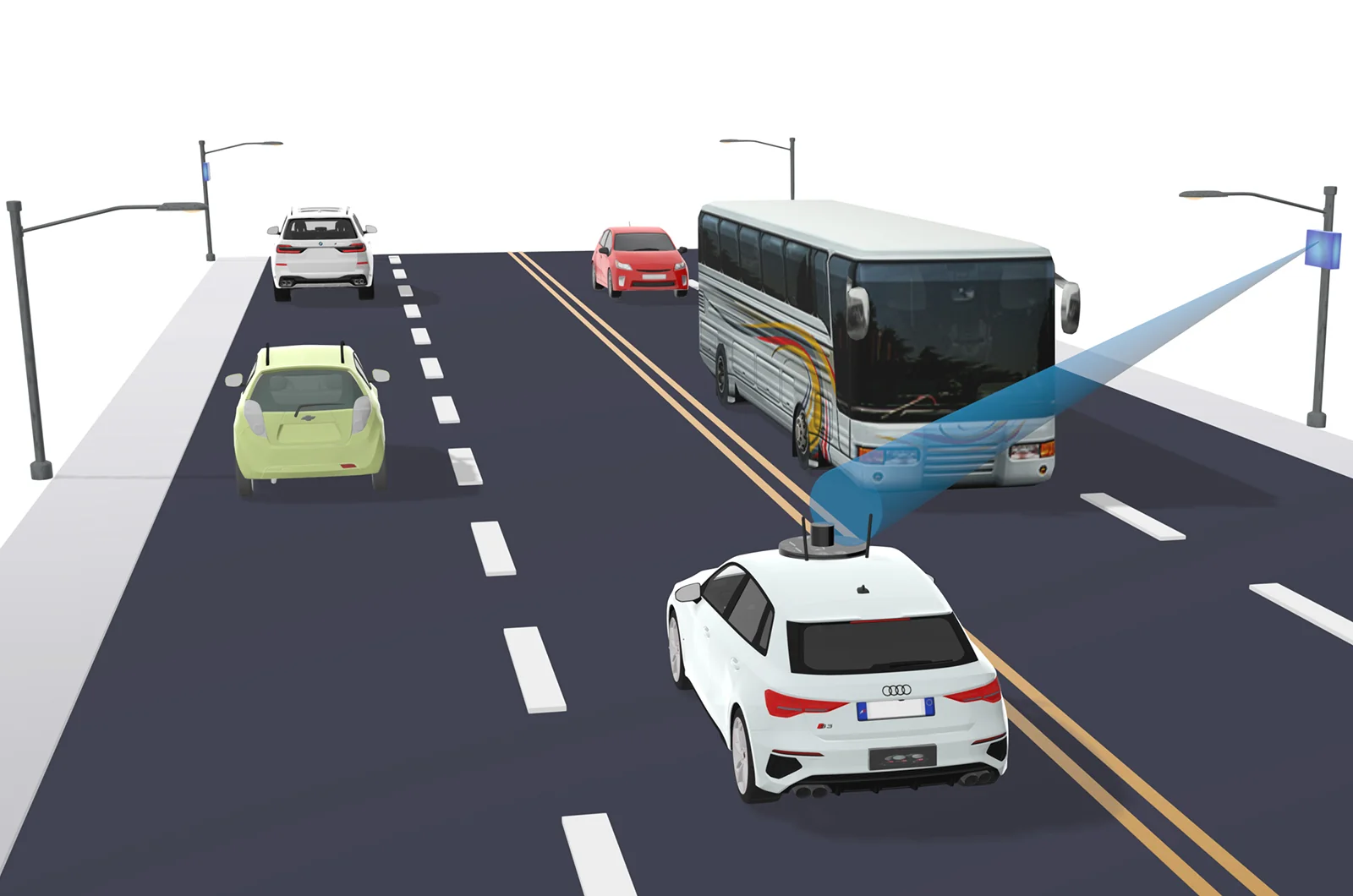
This raises new questions regarding the safety of fully automated vehicles. During the study, it was observed that pedestrians, other moving vehicles, and various objects can temporarily block wireless signals for several seconds.
Such short-term signal losses can negatively affect communication between self-driving vehicles. Signal loss may reduce the system’s ability to make rapid decisions in emergency situations, potentially leading to serious risks.
Experts are particularly concerned that signal blockage in densely populated urban areas with high traffic flow could compromise system stability. In the future, addressing these technical shortcomings will be essential for the large-scale deployment of autonomous vehicles and ensuring complete road safety.
Currently, engineers and scientists are working on additional solutions that could maintain stable communication quality under any conditions. In technologies related to human life, even a one-second error is unacceptable.