



Ni Jun: This year, 20 million electric vehicles will be equipped with sodium-ion batteries
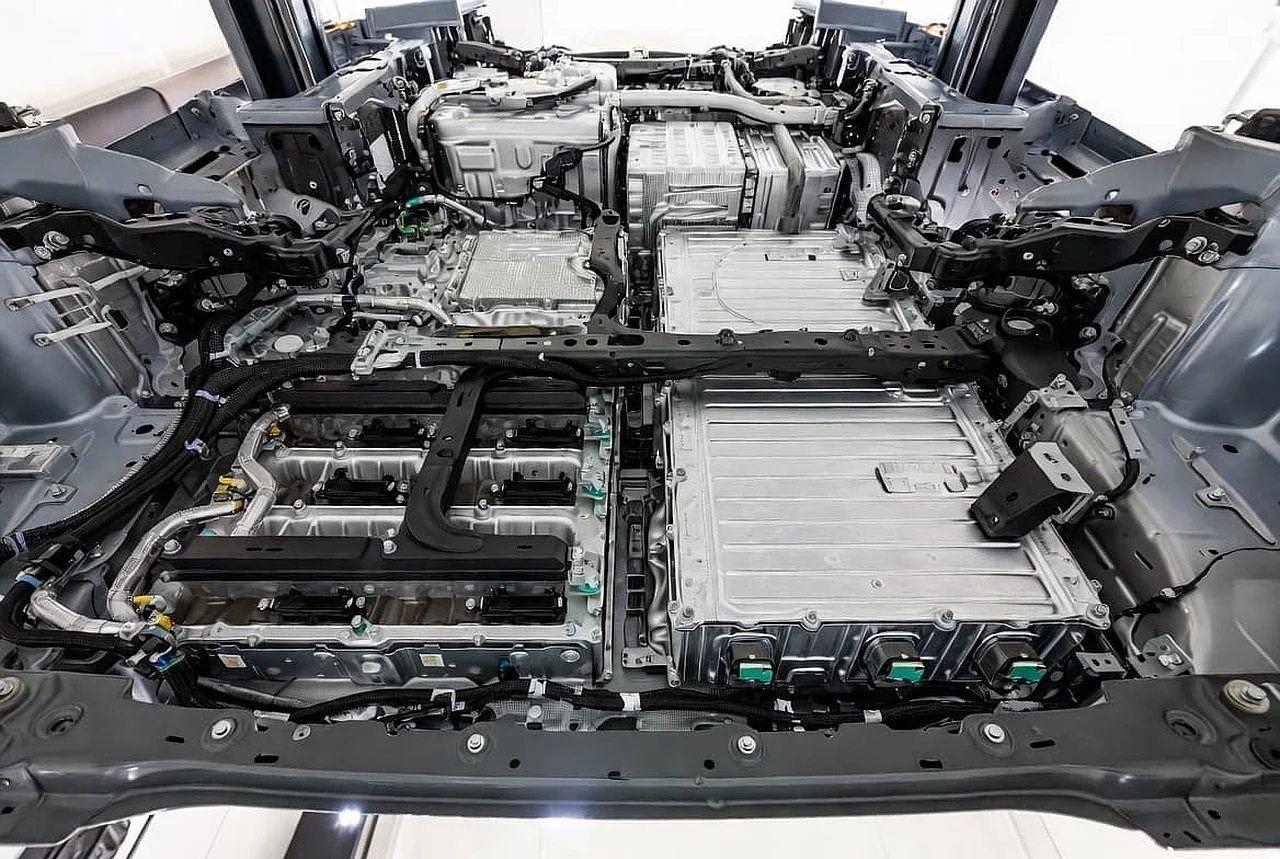
A revolution is underway in electric transport, as reported by Zamin.uz.
CATL, the world's largest battery manufacturer, is accelerating the deployment of sodium-ion technology as a viable alternative to lithium-ion batteries. This innovation is expected not only to reduce production costs but also to significantly improve the winter performance of electric vehicles.
At the Global Economic Forum in Dalian, Ni Jun, CATL's Executive Director of Manufacturing, shared the company's near-term plans. According to him, between 10,000 and 20,000 electric vehicles will be equipped with next-generation sodium-ion batteries by the end of this year.
This marks a crucial step toward freeing the global automotive market from lithium price volatility. The key advantage of the new technology lies in its resilience to low temperatures.
As CATL representatives emphasize, these batteries can operate normally without losing power in extreme cold ranging from -20°C to -30°C. This feature will promote the adoption of electric vehicles in cold-climate regions such as North America, Canada, and Japan.
Real-world tests conducted in February at the Yakeshi proving ground in Inner Mongolia demonstrated the technology's capabilities in practice. Vehicles under the Changan brand, equipped with CATL sodium-ion batteries, successfully traversed icy roads and steep inclines without difficulty.
Experts from the Oxford Sustainable Finance Group have described these trials as a turning point for the industry. Over the past decade, CATL has invested nearly 10 billion yuan into this project.
According to Gao Xuanning, the company's technical director, research efforts have achieved a 50% increase in energy density. This brings sodium-ion batteries closer to competing with conventional lithium-ion counterparts.
Additionally, CATL has introduced a new energy storage system called Tener Sodium. As planned, deliveries of this system across China will begin in September of this year.
Global rollout is scheduled for June 2027. Currently, major manufacturers such as Changan Automobile have begun integrating these batteries into their models.