


SpaceX "Starfall" apparatus first flight planned
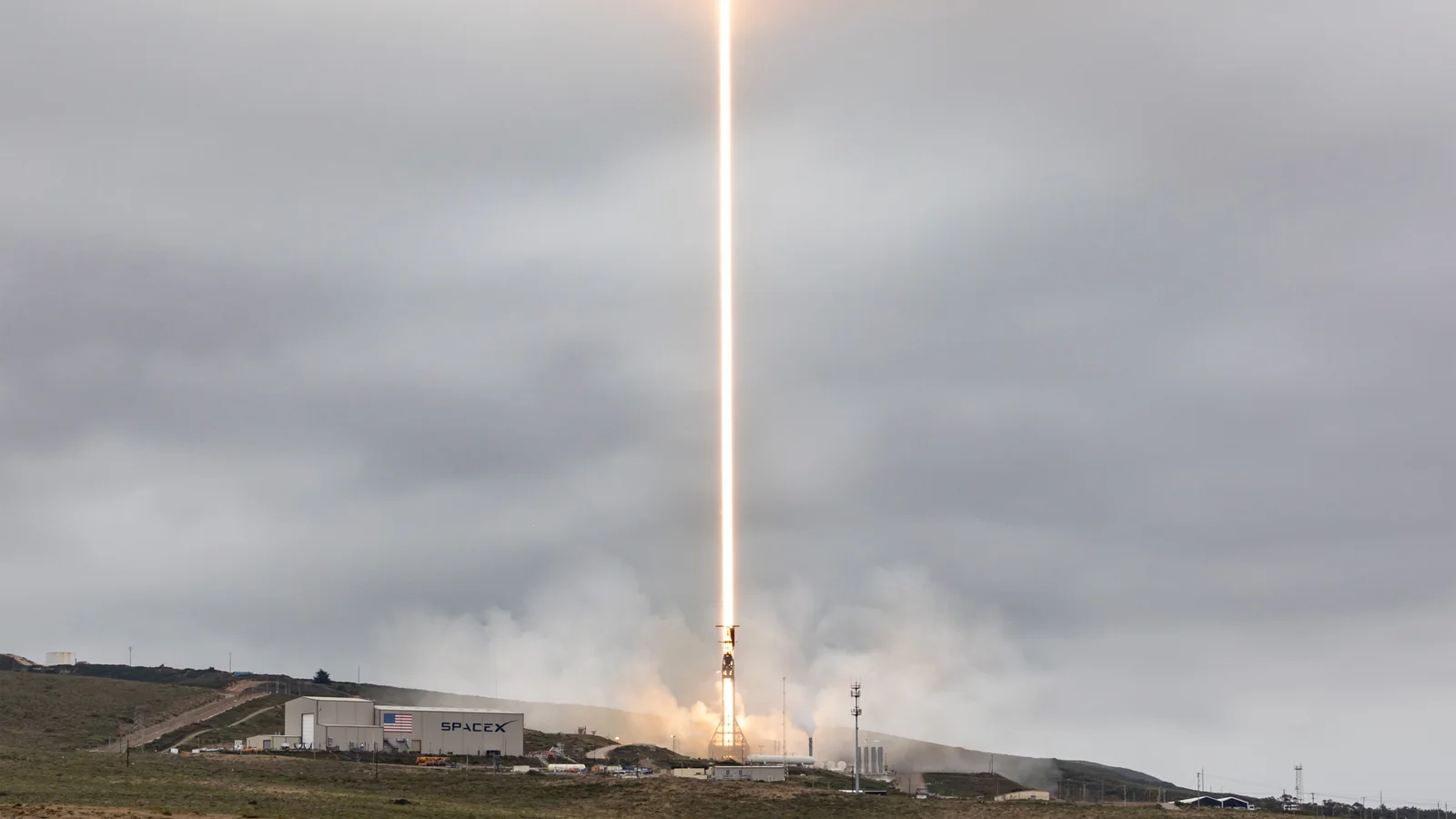
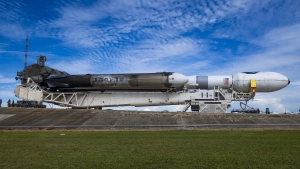
Elon Musk's SpaceX company is planning to launch its latest and most secretive development — the Starfall spacecraft — for the first time on June 23. This was reported by Zamin.uz.
This mission is attracting attention not only due to its technological complexity but also because it could mark the beginning of a new era in space cargo delivery, as reported by Ixbt.com.
According to data from the U.S. Federal Aviation Administration (FAA), the Starfall vehicle consists of two parts, with its structure made from extremely strong materials. The upper section is an aluminum structure weighing approximately 1,400 kilograms, coated with a special thermal protection layer.
This section carries the main payload during the highest phases of flight. The lower section functions as a heat shield.
It is made of carbon fiber and has a total mass of about 700 kilograms. This section houses high-pressure composite overwrapped pressure vessels (COPVs), which supply inert gas (likely nitrogen) to control the vehicle's orientation during atmospheric re-entry.
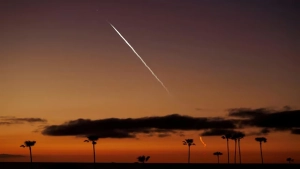
The key feature of the Starfall spacecraft is its ability to split into two parts during re-entry into the atmosphere. After passing through the plasma phase, the vehicle deploys a drogue and main parachute system to reduce speed.
This ensures a safe splashdown in the ocean. SpaceX aims to use this technology to enable the recovery and reuse of cargo delivery systems.
The company plans to begin serial production of Starfall vehicles in the future, with potential applications across various fields, including humanitarian and commercial purposes.
One of the most significant potential uses, however, could be military. In particular, the ability to deliver cargo from one point on Earth to another in a very short time using Starfall could be highly valuable to armed forces.
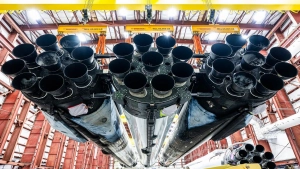
This could represent a revolutionary solution for rapidly delivering critical supplies to remote or disaster-affected regions. According to Ixbt.com, this flight marked the 29th mission for the first stage of the Falcon 9 launch vehicle — a record number.
Previously, this booster had been successfully used in important missions such as Crew-6, SES O3b mPOWER-B, and 23 Starlink launches. Today's launch represents the next major test for SpaceX in the advancement of reusable technologies.