«Starfall» capsule successfully completed its first flight
SpaceX, under Elon Musk, has taken another significant step toward commercializing space, as reported by Zamin.uz.
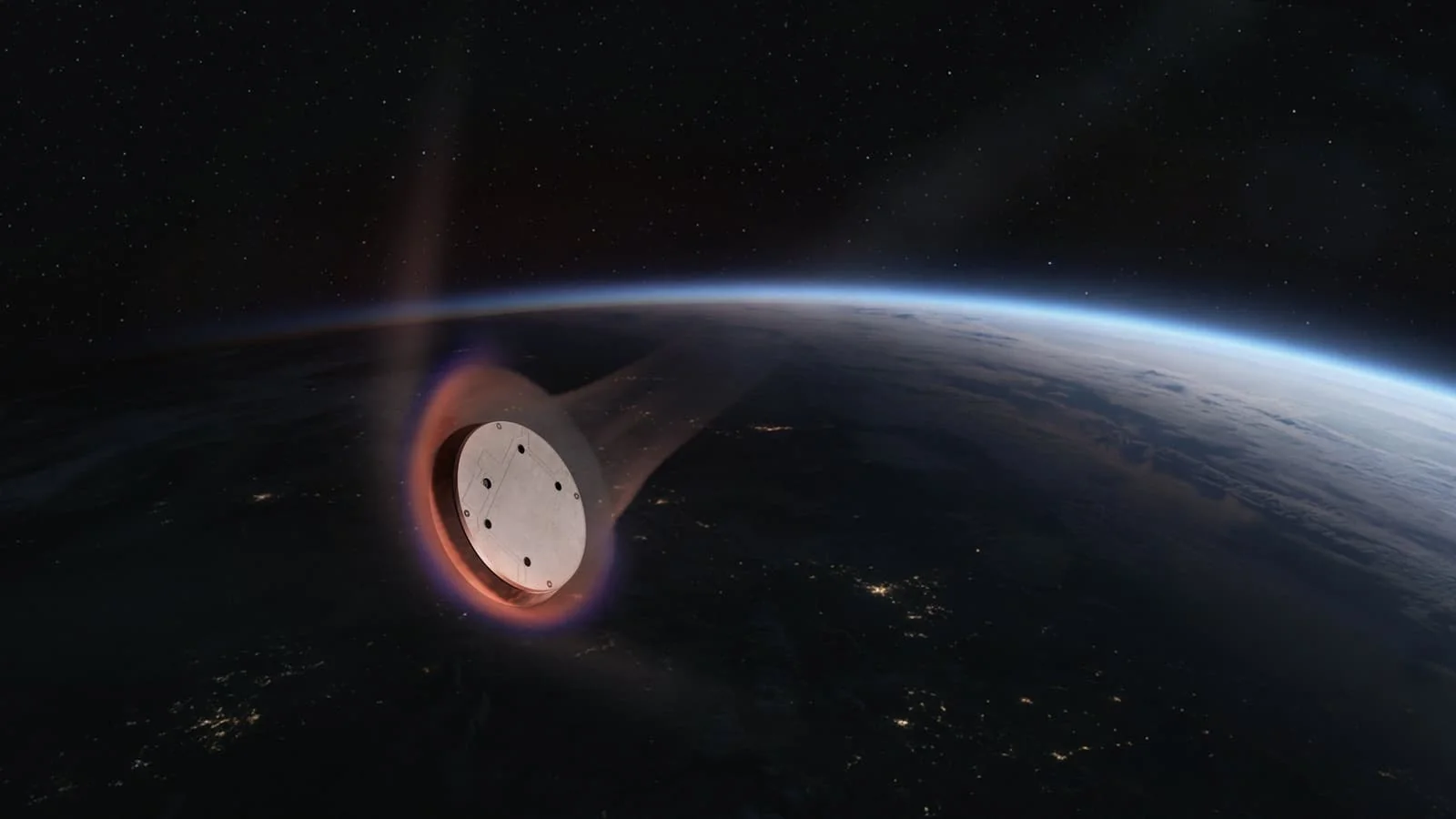
Following the Starlink and Starship projects, the company successfully conducted the first demonstration flight of its new Starfall capsule, designed to safely return cargo from orbit to Earth. This technology is expected to open a new era for rapidly delivering industrial production and scientific research results from space.
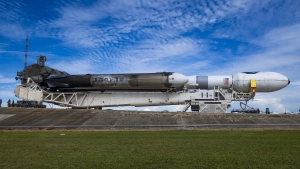
This was reported by Ixbt.com. The mission launched on June 23 from Launch Complex SLC-40 at Cape Canaveral, Florida.
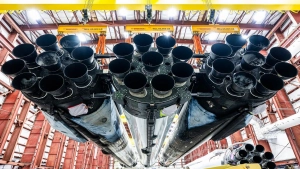
The Falcon 9 rocket successfully delivered the capsule to its designated orbit. Notably, the B1078 first-stage booster used in this flight completed its 29th mission and landed precisely on the A Shortfall of Gravitas droneship in the Atlantic Ocean after fulfilling its role.
Technical Capabilities of the Starfall Capsule Starfall is a specialized apparatus designed to return pharmaceutical materials, crystals, and other high-tech products manufactured in space laboratories back to Earth. The capsule has a diameter of 3.1 meters and a height of approximately 75 centimeters.
With a total mass of 2.1 tons, it can carry up to one ton of useful payload—significantly greater than the capacity of existing commercial alternatives on the market. According to Ixbt.com, the flight profile was developed with exceptional precision.
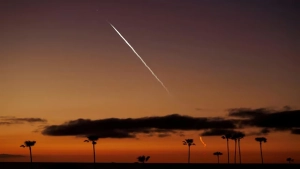
After the Falcon 9’s second stage deployed the Starfall capsule into orbit, it completed approximately one and a half revolutions around Earth. A deorbit maneuver was then performed, separating the capsule from the service module and initiating atmospheric re-entry.
The capsule’s descent and splashdown in the Pacific Ocean off the coast of California, approximately 965 kilometers offshore, was carried out using parachutes—a visually striking moment.
A New Direction in Space Economy The Starfall design consists of two main components: a cargo bay and a heat shield made of carbon phenolic.
In the microgravity environment of space, this shield protects pharmaceuticals and materials from extreme heat during atmospheric re-entry. The capsule’s orientation in space is adjusted using a pressurized nitrogen system.
In the future, SpaceX plans to use these capsules not only for short suborbital flights but also for long-duration missions in low Earth orbit.
Furthermore, the Starfall project is designed to integrate with the massive Starship vehicles, indicating that this technology could also be used for returning cargo from Mars or the Moon.
This successful test positions SpaceX to address a critical bottleneck in one of the most promising segments of the space economy: orbital manufacturing logistics.
For Uzbek technology enthusiasts, this opens up a promising opportunity, as the ability to produce and rapidly, safely deliver goods in space provides a significant advantage in both business and scientific competition.
The Starfall capsule represents a practical step in this direction and lays the foundation for future innovations.