



Oracle company laid off twenty-one thousand employees
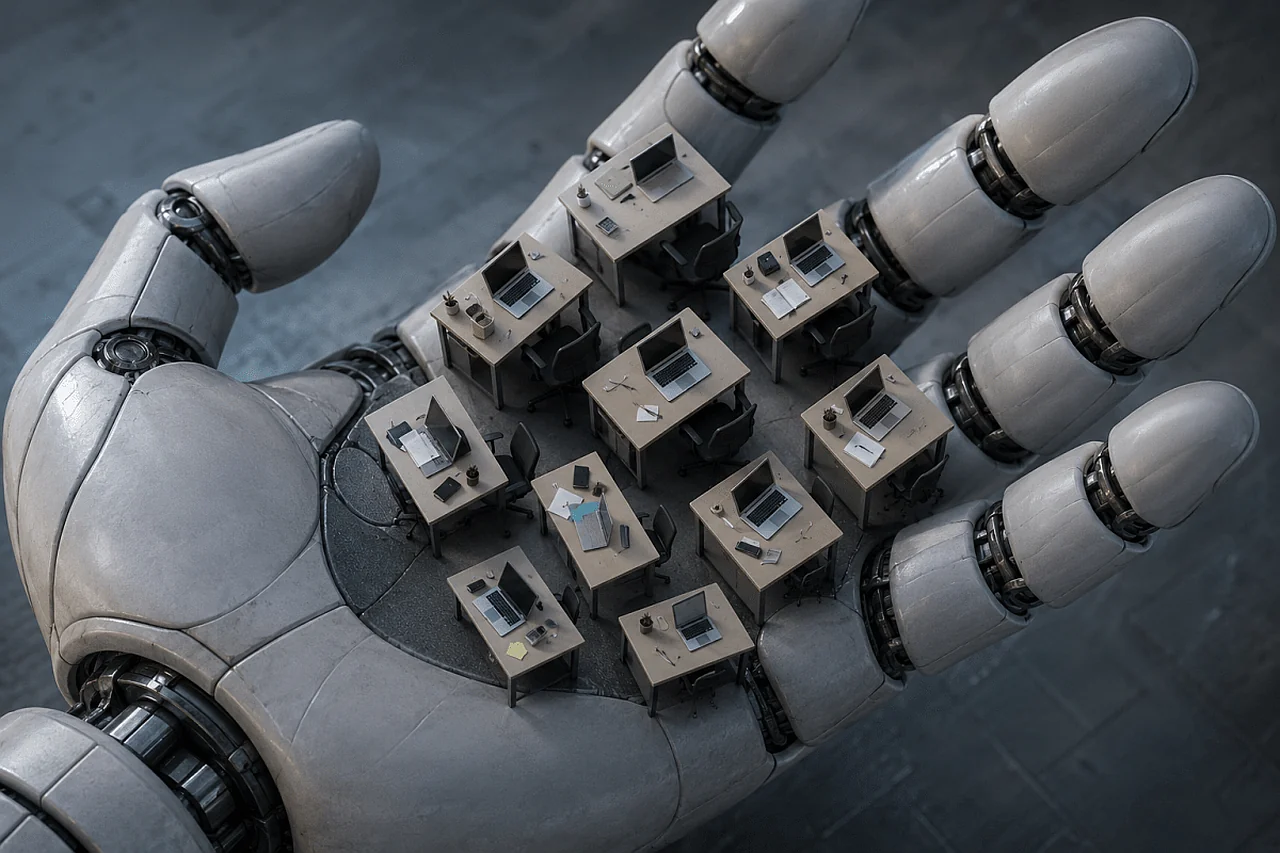
In today's technology market, unexpected and contradictory processes are being observed. This was reported by Zamin.uz.
While large corporations report record profits, they continue to lay off thousands of skilled employees. The main reason cited for these mass layoffs is the widespread implementation of artificial intelligence technologies.
According to industry experts, 2026 will serve as a turning point for the complete transformation of technical job positions. Based on a financial report recently announced by Oracle Corporation, the company reduced its workforce by twenty-one thousand employees—or thirteen percent of its total staff—over the past year.
Company leadership directly attributes this sharp reduction to the application of artificial intelligence technologies in work processes. This figure significantly exceeds earlier estimates, indicating that intelligent algorithms are gradually replacing human labor in the tech world.
According to data from consulting firms, May of this year recorded the highest level of employee reductions in the technology sector in recent years. This list includes not only software developers but also major corporations in computer hardware and cybersecurity.
For example, although Meta laid off eight thousand employees, it redirected nearly seven thousand of them to new projects related to artificial intelligence. In Google's cloud technologies and security divisions, approximately three thousand engineers were laid off, despite the division's revenue recently surpassing twenty billion dollars for the first time.
Cisco also reduced nearly four thousand positions, announcing that it is reallocating resources toward optical communications and artificial intelligence infrastructure. Intuit, a developer of financial software, parted ways with three thousand employees as part of its effort to streamline operations.
Gitlab did not remain unaffected by this trend. The company decided to lay off fourteen percent of its workforce to invest those resources into artificial intelligence systems.
According to company leaders, a generational shift is currently underway, and platforms are being completely rebuilt for artificial intelligence agents. It's not just information technology companies feeling this change—representatives of traditional industries are also sensing its impact.
For example, General Motors laid off nearly six hundred employees from its technology division. While the company attributes this to market conditions, internal sources confirm that the role of artificial intelligence is growing significantly.
At the same time, the automotive giant is actively hiring new specialists in artificial intelligence and autonomous vehicles. Despite recording its highest quarterly revenue in history, Cladfler is reviewing its staff composition to improve efficiency.