Yakovlev's SJ-100 aircraft is ready for certification
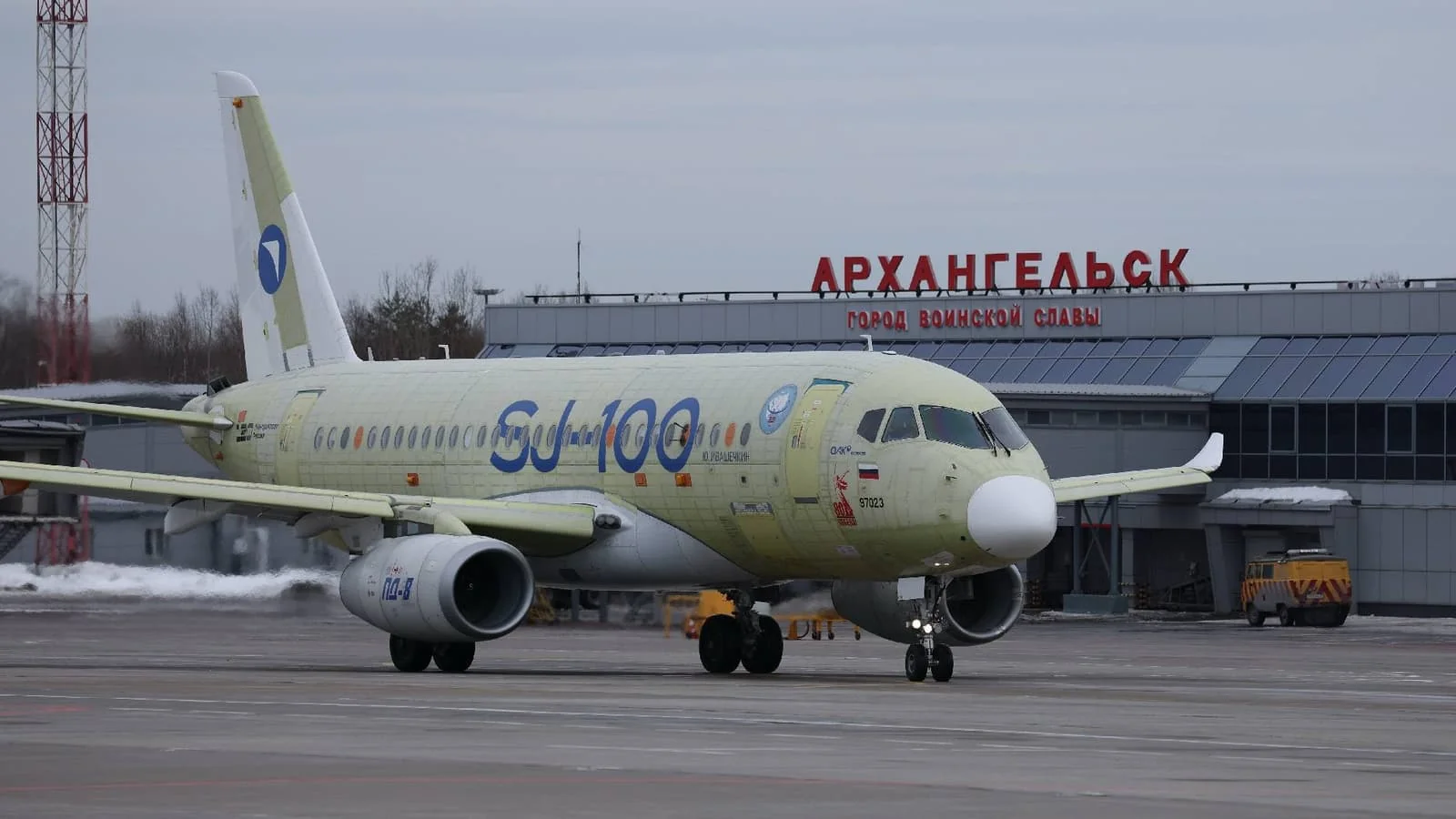
The testing program for the SJ-100 passenger aircraft, considered one of the most important projects of the Russian aviation industry and assembled entirely from domestic components, has entered its final stage. This was reported by Zamin.uz.
The certification processes for this aircraft are expected to be completed in the autumn of this year. This information was provided by Kirill Kuznetsov, the chief designer of the project at the Yakovlev company.
This news is attracting the attention of international media and industry experts. According to reports from the TASS agency, the work on putting the aircraft into full operation and formalizing all necessary documents is continuing according to the established plan.
Experts note that by the autumn of 2026, the aircraft is planned to pass all technical inspections and complex tests and obtain the official certificate permitting flights. This is being evaluated as a huge step in the strategy of reducing dependence on foreign technologies and import substitution for Russian civil aviation.
To date, approximately 80 percent of the flight testing program for the SJ-100 aircraft has been completed. A total of nearly 400 flights have been carried out within the framework of the project, 200 of which are highly complex technical tests directly related to the certification process.
These indicators are of great importance in verifying the technical reliability of the aircraft and its compliance with international safety standards. During each flight, the aircraft's endurance in various climatic conditions and emergency situations is being tested.
Recently, the Russian leadership closely examined these new generation aircraft during a visit to the Flight Research Institute in the city of Zhukovsky. During the demonstration, detailed information was also provided on promising projects such as the Il-114-300 and MS-21, alongside the SJ-100.
These models are expected to be the main pillars in modernizing the country's aviation fleet and achieving technical independence. These aircraft are distinguished by their modern design and efficiency.
The success of this project for regional aviation could be of interest not only to Russia but also to the aviation markets of Central Asia, including Uzbekistan. These types of aircraft, intended for regional flights, are characterized by low operating costs and suitability for short-distance flights.
If the aircraft successfully passes all tests, it is expected that new opportunities will open up in the future for expanding air connections with neighboring states and increasing passenger traffic. According to the project's chief designer, all systems of the aircraft, including its engines and onboard electronics, were created entirely by domestic manufacturers.
This serves to ensure the stability of the aviation industry under the conditions of external sanctions. Currently, engineers and flight crews are working intensively to complete the remaining 20 percent of the testing work as quickly as possible.
The SJ-100 is an improved version of previous models, completely devoid of foreign parts. Its success will be an important indicator on the path to technological independence.