


OpenAI and Anthropic models fall under US control
Two major rivals in the field of artificial intelligence — OpenAI and Anthropic — have entered an entirely new phase of competition, according to Zamin.uz.
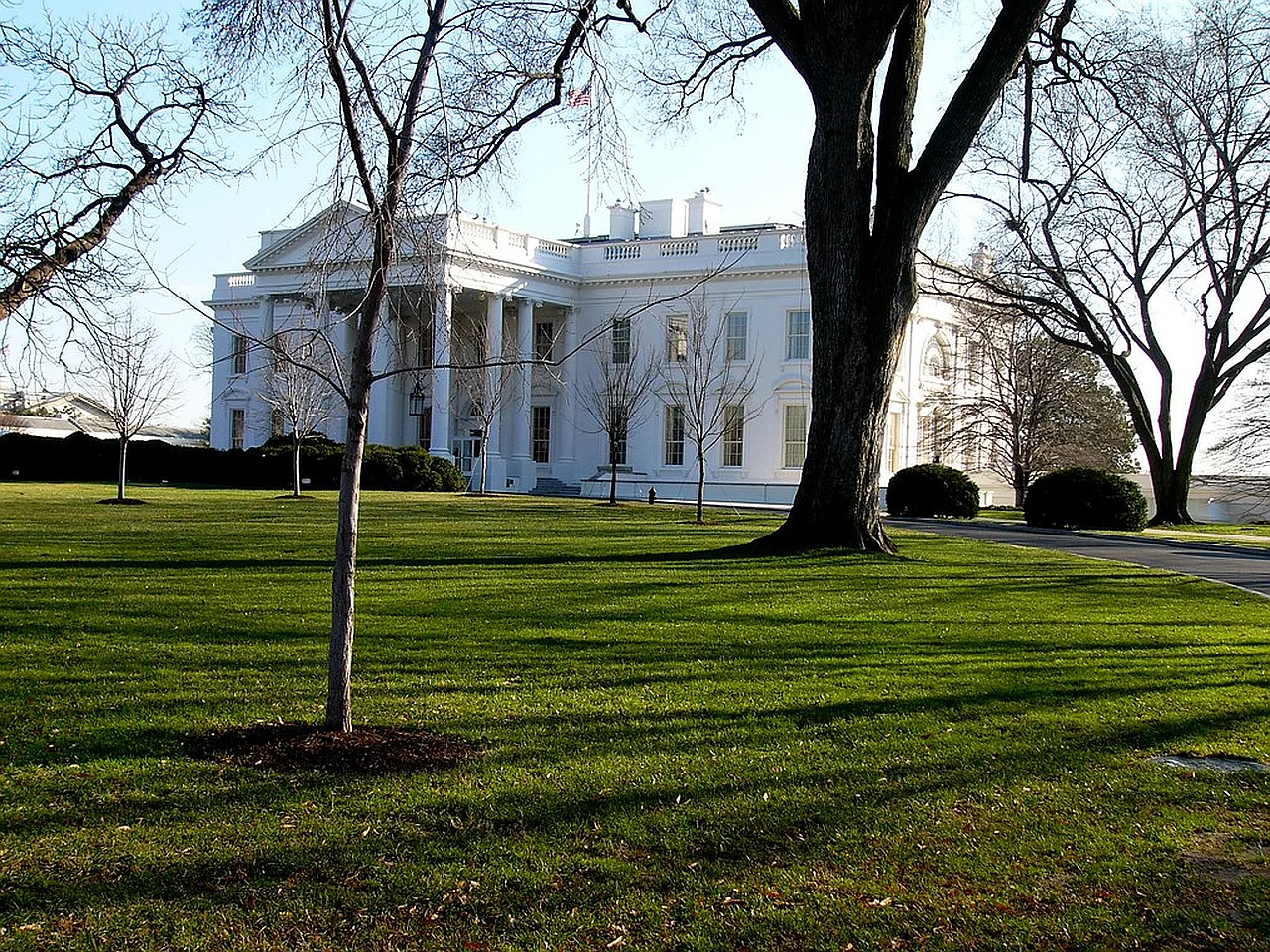
The issue is no longer just about technological superiority, but about survival under state oversight. The U.S. government has begun imposing strict controls on the release of the most advanced AI models to the public, which could put the future of the entire industry at risk.
This is reported by Techcrunch.com. Recently, Anthropic’s Fable and Mythos models were halted by government order.
Now, OpenAI’s highly anticipated GPT-5.6 model is expected to face the same fate. According to The Information, the model will be made available only to a limited circle of customers, and each user will need to obtain individual government permission to use it.
While Sam Altman estimates the process may last several weeks, Anthropic’s experience suggests it could stretch into months. Such government intervention could deliver a serious economic blow to AI laboratories.
Delaying the market release of new systems, into which billions of dollars have been invested, reduces companies’ profitability. This, in turn, negatively affects the construction of data processing centers and the development of technological infrastructure.
If the situation continues, stagnation across the entire sector becomes inevitable. Currently, both OpenAI and Anthropic find themselves in a similar problematic situation.
Industry insiders are spreading various rumors: some claim Anthropic is using regulations to crush competitors, while others suspect OpenAI’s leadership of aligning with political circles to squeeze rivals out of the market.
However, the situation has long surpassed mere personal rivalry.
Although the U.S. government intends to review the models, regulatory bodies currently lack sufficient experience and technical capability to test such complex systems. Most importantly, no clear criteria have been established regarding exactly what threats the government aims to protect against.
Nevertheless, the potential of AI in cybersecurity and biological threats is becoming a basis for state-level concern. Experts in the field, including Din Ball — who is expected to join the OpenAI team soon — believe industry players must unite in the following directions: building trust in independent expert groups to oversee the regulatory process, not opposing every new rule but supporting the most acceptable regulatory options, protecting AI not as the interest of individual companies but as an entire industry, and addressing safety issues independently of competition.
In this way, intensified oversight by the U.S. government has initiated serious changes across the entire AI sector. In the future, companies will be judged not only on technological achievements but also on their relationship with the state.
If cooperation is established among industry players, a balance satisfactory to all parties can be achieved.