Deep Fission has secured an 18.5 GW order book for its underground nuclear reactors.
Deep Fission, an American company proposing a revolutionary approach to nuclear energy, has begun forming a significant order backlog for its unique project — underground nuclear reactors. This was reported by Zamin.uz.
According to the company's latest announcement, a package of letters of intent signed with potential customers has formed demand equivalent to 18.5 gigawatts of power. This technology is expected to usher in a new era in terms of safety and compactness, differing fundamentally from conventional nuclear power plants.
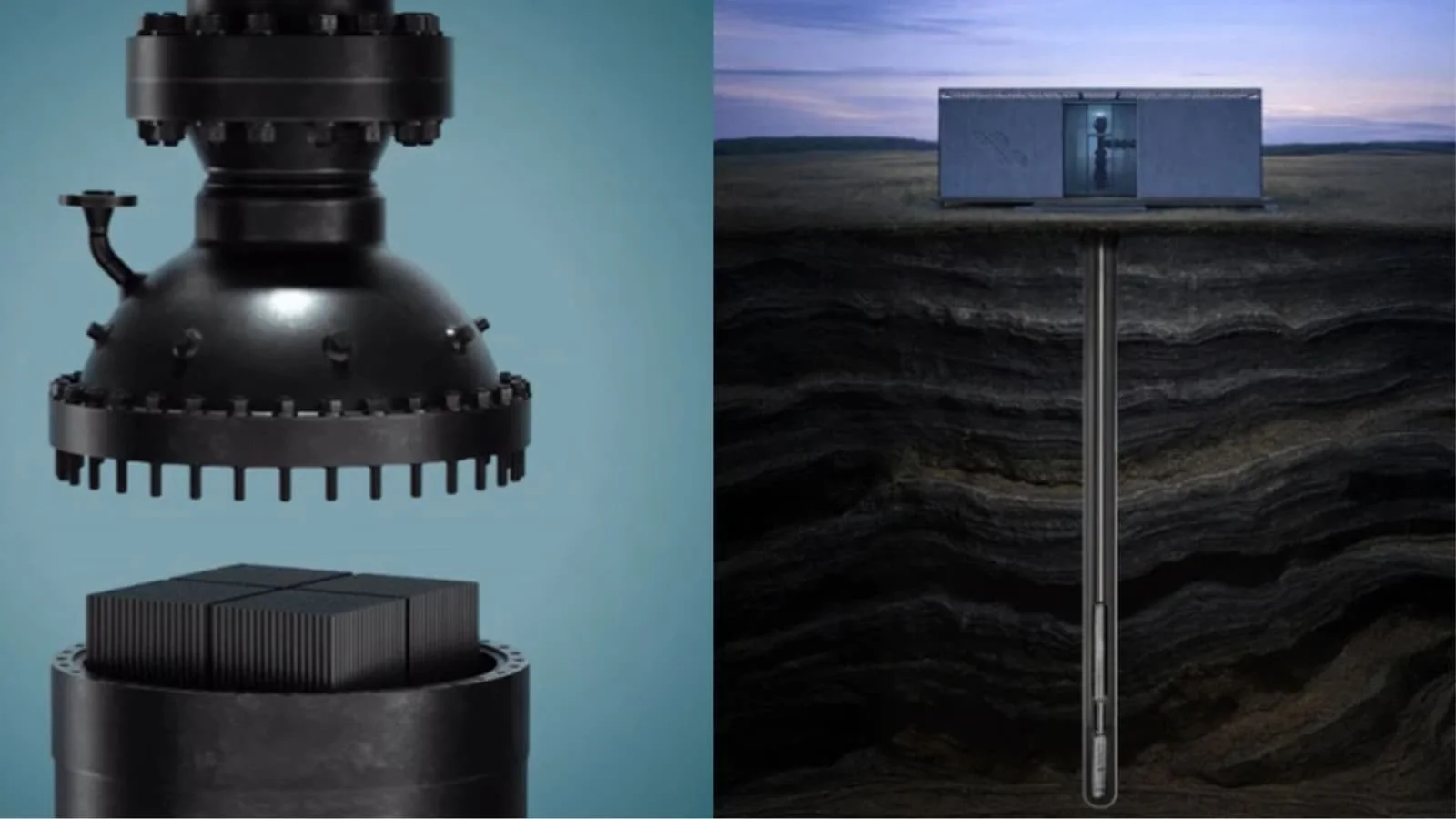
The gravitational nuclear reactor project developed by Deep Fission involves placing a compact pressurized water reactor into a vertical shaft approximately 1.6 kilometers deep. This depth is several times greater than even the deepest metro lines.
Such placement serves to sharply reduce the land footprint occupied by the facility and maximize protection of the object from external influences. While the signed documents are not yet binding contracts, they indicate enormous market interest.
Potential customers include operators of large data centers, industrial corporations, and developers of industrial parks. Notably, the rapid growth of artificial intelligence technologies — such as those being developed by giants like NVIDIA and Google — and cloud services has driven electricity demand to unprecedented levels.
This could allow for safe placement of energy sources even near populated areas. Currently, Deep Fission is implementing its first demonstration project under the U.S. Department of Energy's reactor program in the Great Plains Industrial Park in Kansas.
Specialists have already successfully drilled a research shaft to a depth of 1.8 kilometers. The data obtained during this process will serve as the foundation for preparing a full-scale borehole to house the experimental reactor.
Although the project looks promising, its commercial application is still some time away. The company plans to submit an application for a license to the U.S. Nuclear Regulatory Commission in the first half of 2027.
Only after all tests are successfully completed and official permits are obtained will construction of the first commercial stations begin. For countries like Uzbekistan, which faces an energy deficit and aims to develop nuclear power, such innovative solutions could prove interesting in the future.
Underground reactors not only excel in safety but also in seismic stability — a crucial factor for seismically active regions.
In the future, such technologies are expected to serve as a reliable supplement to global energy systems.