USA is testing an automatic refueling system for spacecraft in space
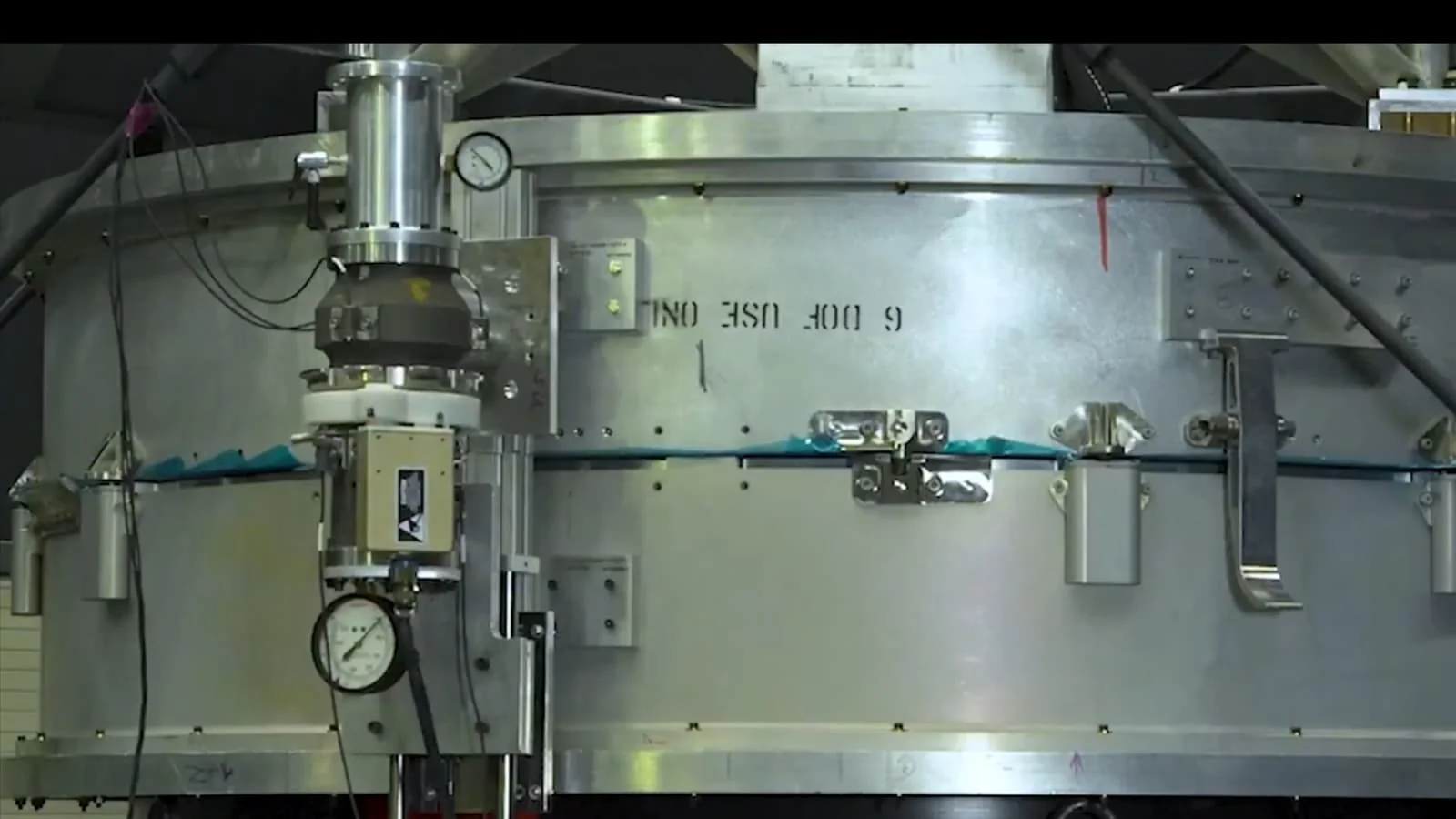
The U.S. National Aeronautics and Space Administration has begun testing an automated system for refueling spacecraft in orbit, according to Zamin.uz.
This technology is expected to become a critical enabler for future missions to the Moon, Mars, and other distant destinations in the solar system. The new system will reduce spacecraft dependence on Earth.
The liquid propellant transfer coupling, developed by L3Harris, forms the foundation of the project. This device performs the specialized task of automated propellant transfer.
of the project. The device performs the specialized task of automated propellant transfer.
It connects the spacecraft to an orbital propellant station, enabling the safe transfer of cryogenic fluids such as liquid hydrogen and liquid oxygen. As noted by Travis Belcher, project lead at NASA’s Marshall Space Flight Center, no fully automated liquid propellant transfer between two spacecraft has been achieved to date.
This is one of the most technically challenging tasks in modern space technology. A key advantage of the new system is its ability to perform multiple dockings and undockings without astronaut intervention.
Engineers paid special attention to the system’s adaptability. The mechanism maintains functionality even when there are minor misalignments or spacecraft movement during docking.
This is a crucial feature for ensuring safety and reliability in the harsh conditions of open space. In the first phase of testing, specialists used liquid nitrogen at a temperature of minus 196 degrees Celsius.
The device was repeatedly connected and disconnected in extreme cold to test its tightness and durability. Additionally, imperfect docking conditions were simulated to reflect real-world scenarios, and the system successfully passed all tests.
Long-distance spaceflight is entering a new era, and this technology is currently in the early stages of development. In the future, NASA plans to adapt it for the Artemis program and upcoming Mars expeditions.
Orbital refueling stations could fundamentally change the strategy of spaceflight. If spacecraft can refuel in orbit, they would not need to carry all their propellant from Earth.
This would enable: increased payload capacity for spacecraft, significant cost reduction for long-distance missions, delivery of larger and more complex scientific instruments to orbit, and extended endurance for interplanetary flights.
Experts believe such refueling stations will play a foundational role in the development of a space economy and in humanity’s steps toward long-term space settlement.