


SpaceX is building a methane-fueled launch pad at its spaceport
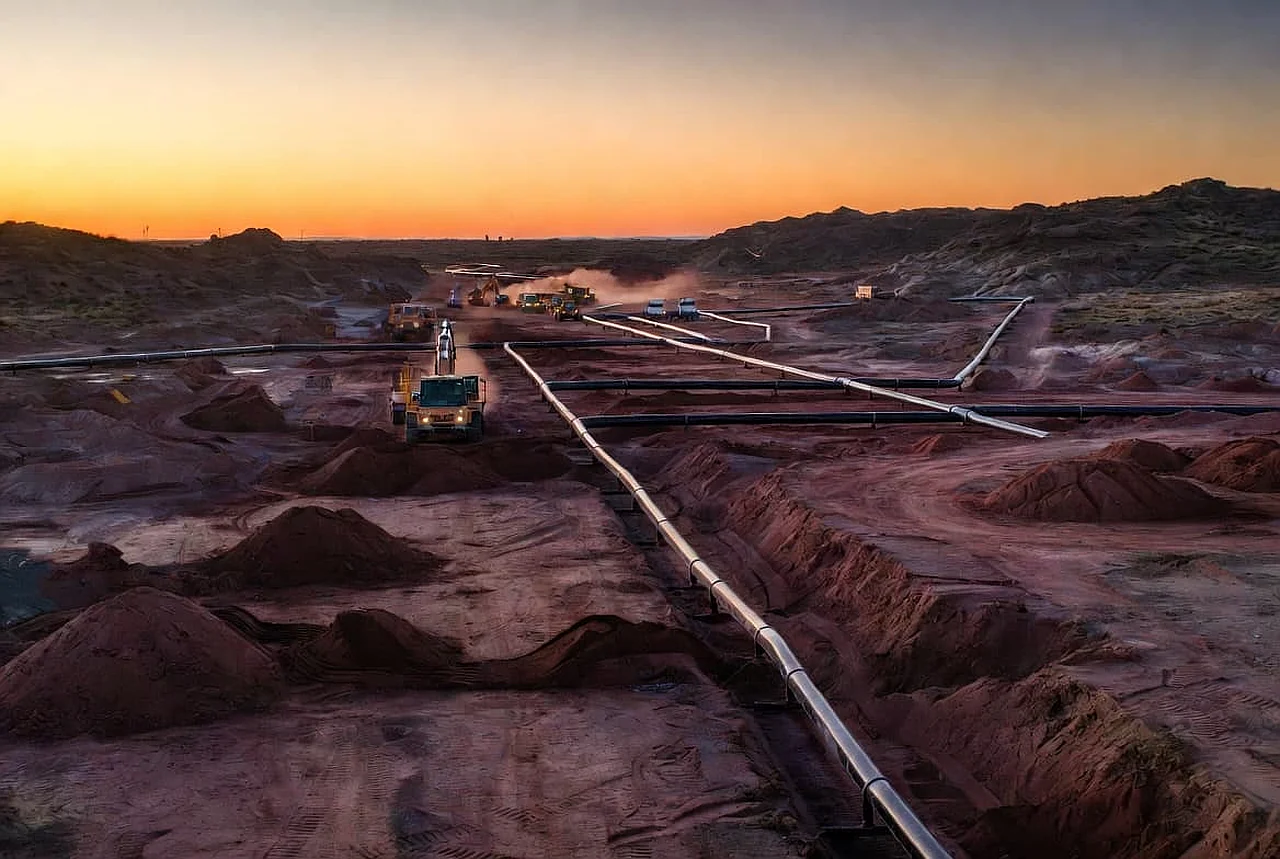
Elon Musk's SpaceX is moving forward with a private methane pipeline to ensure a continuous fuel supply for its Starbase spaceport in Texas, according to Zamin.uz.
The project, named Starpipe, is a strategic step toward increasing the launch frequency of the Starship rocket system and reducing logistics costs. The new infrastructure is expected to significantly accelerate the process of preparing spacecraft for flight.
According to documents submitted by Lone Star Minerals Development LLC, construction of Starpipe is scheduled to begin on July 7, 2026, with completion and handover planned for January 26, 2027.
The pipeline will connect the industrial zone north of the Brazos River shipping channel to the Starbase launch complex. Currently, the methane required for Starship tests and flights is delivered by numerous tanker trucks.
Each major launch involves dozens of these trucks, which not only create a complex logistics chain but also slow down preparation efforts. Once operational, Starpipe will deliver methane directly through the pipeline, where it will be liquefied in specialized facilities near the launch pad.
The new gas pipeline is estimated to be about 13 kilometers long with a diameter of roughly 40 centimeters. These dimensions will fully meet the spaceport's future needs and enable automation of the fueling process.
The project is part of SpaceX's broader autonomy strategy aimed at reducing reliance on external suppliers. In addition to methane, Starship launches require large quantities of liquid oxygen and liquid nitrogen.
To this end, SpaceX is continuing construction of its own air separation plant near the launch complex. Together, Starpipe and this facility will transform the Starbase site into a nearly self-sufficient energy and fuel hub.
Interestingly, the Starbase location was originally chosen with the expectation that a state-owned methane pipeline would run nearby. However, when that government project failed to materialize, SpaceX was forced for years to transport fuel by truck.
Now, the company has decided to solve the issue on its own. Recent successes—including long-duration hot-fire tests of the Starship prototype and the first flight of a reusable capsule—indicate that the Starship program is approaching its final phase.
Infrastructure projects like Starpipe are laying the groundwork for regular flights to the Moon and Mars.