Xitoyning Loongson company has introduced a new server processor
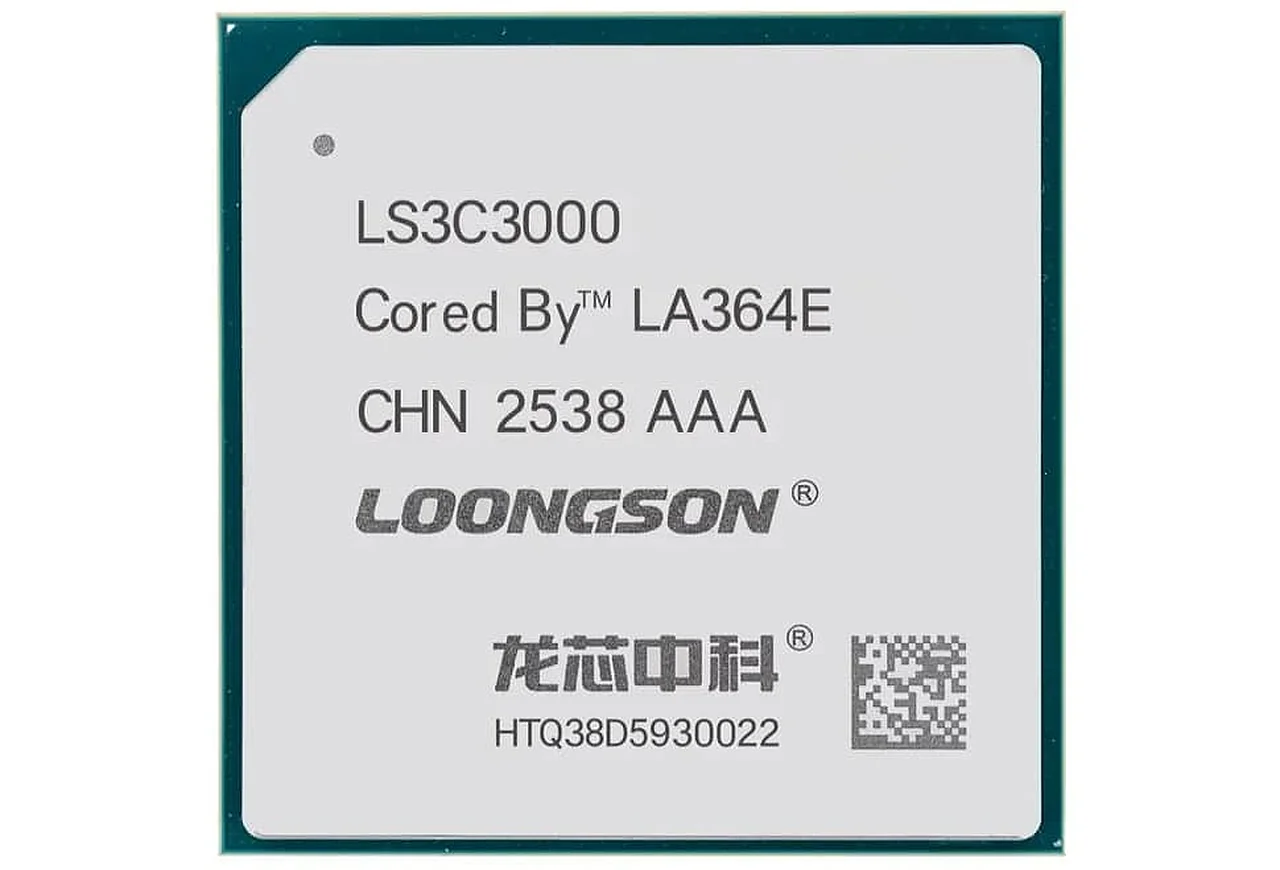
Chinese company Loongson Technology has unveiled its Loongson 3C3000 server processor, which the company positions as a new generation of server CPUs. This was reported by Zamin.uz.
The chip is designed for creating affordable and efficient server systems, primarily targeting corporate infrastructure and general computing tasks. The key feature of the new processor is its high energy efficiency and full reliance on a domestically developed architecture.
The Loongson 3C3000 is based on the company’s proprietary 64-bit LoongArch architecture. It features 16 physical cores, capable of processing 16 data streams simultaneously.
The processor operates at a clock speed ranging from 1.5 to 1.8 GHz. According to specifications, each core supports 128-bit vector instructions, which significantly improves the accuracy and speed of complex computational operations.
The manufacturer emphasizes that the new chip is best suited for file servers, web platforms, and database management. While the 3C3000 maintains compatibility with previous versions, it is not intended for artificial intelligence or highly complex scientific computations, but rather positioned as a cost-effective solution for everyday business tasks.
The processor’s cache system also boasts strong performance: each core has its own instruction and data cache, with a total secondary cache size of 16 MB.
The memory controller supports dual-channel DDR4 with automatic error correction, and the system includes 32 high-speed interconnect lanes for fast data exchange with external devices.
One of the most important aspects is the chip’s power consumption. The Loongson 3C3000 draws approximately 40 watts under normal operating conditions.
This is considered very low and energy-efficient for modern server hardware. Thanks to dynamic frequency scaling and the ability to temporarily disable unused blocks, power consumption drops even further during low workloads.
The new processor supports chip-to-chip linking via a dedicated bus, enabling two chips to be combined into a single system. This opens the door for creating flexible server solutions tailored to small and medium-sized businesses.
Such technological steps by China aim to reduce reliance on foreign vendors in the global market. For emerging markets like Uzbekistan, such energy-efficient server solutions could become a viable option for upgrading IT infrastructure in the future.