



Graphics chips designed for laptops are becoming commonplace in the computer market
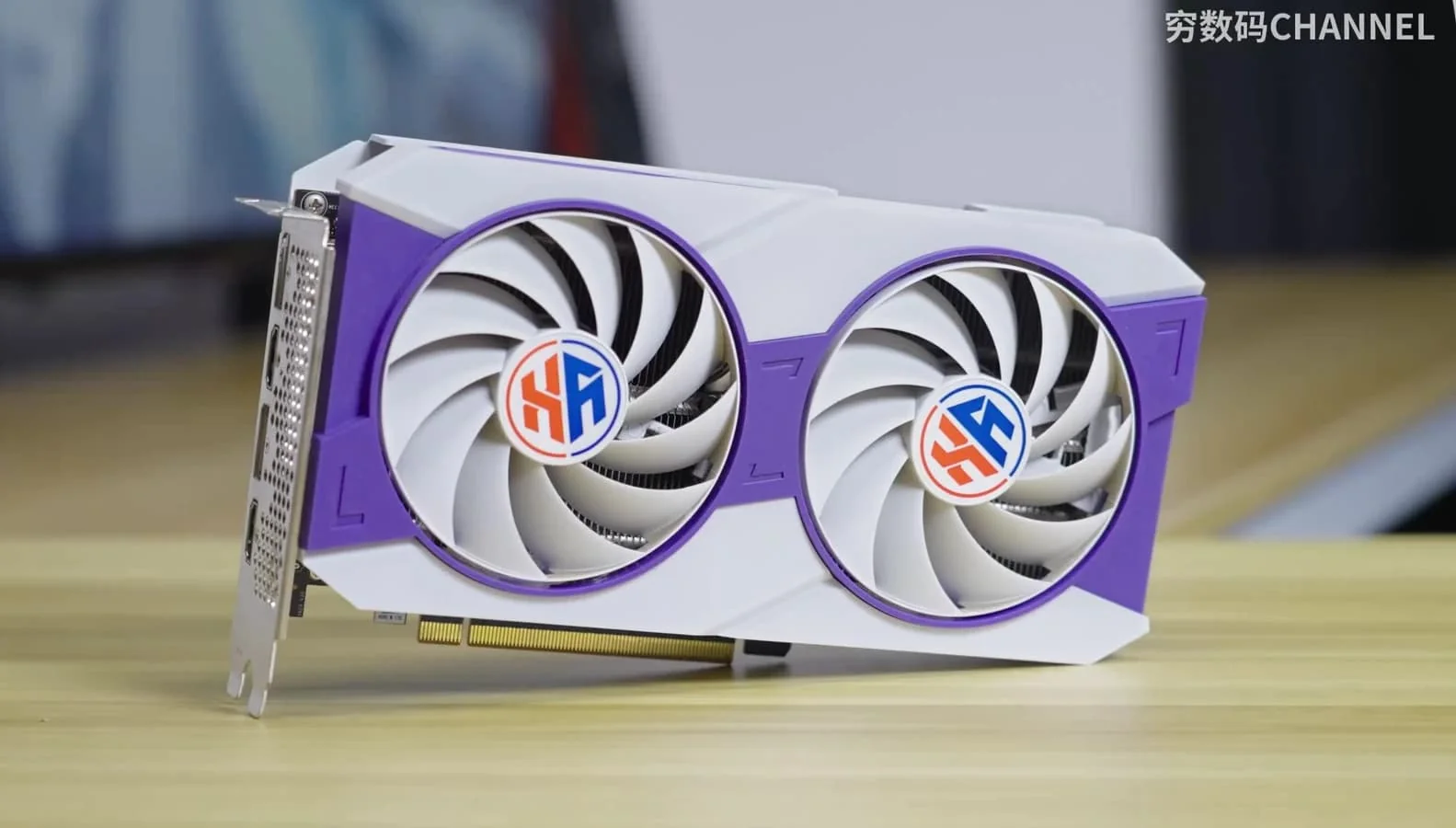
In the computer technology market, the trend of hybrid solutions—converting laptop-designed chips into stationary video adapters—is reaching a new stage, as reported by Zamin.uz.
Recent tests conducted by Chinese bloggers show that a desktop graphics card based on the NVIDIA GeForce RTX 4080M mobile graphics processor demonstrates impressive performance relative to its price. This device has attracted specialists’ attention not only for its capabilities but also for its energy efficiency.
The tested GeForce RTX 4080M model is essentially a graphics chip originally designed for laptops, installed on a desktop board with a cooling system. Interestingly, although this card has been available on the market for some time, it has largely remained unnoticed by major tech publications.
According to reports, the sample was initially purchased at a very low price, but its current average price in the international market is estimated at around $400 USD. Technically, the mobile graphics chip closely resembles high-end models designed for full-sized desktop computers in terms of architecture and power.
This indicates that the hybrid card possesses sufficient power for modern games in the mid-to-high segment. Compared to existing prices in the Uzbek market, this cost offers users a highly advantageous opportunity to gain higher performance.
During testing, the most notable aspect was the card’s power consumption. It is reported that the device consumes approximately 100 watts under gaming load.
While such chips typically require significantly higher power, this particular case is explained by the specialized control software installed on the device. Despite low power consumption, the card competes evenly with its main rivals and maintains stable performance metrics.
Gaming tests show that this model performs at a level nearly identical to many widely available modern graphics cards on the global market. In some applications, the NVIDIA product outperforms competitors, while in others, rival models slightly edge ahead.
It is worth emphasizing that this hybrid solution bridges the efficiency gap between mid-range and high-performance models, confirming its strong value proposition. The emergence of such graphics cards is especially relevant for users seeking to save money.
After all, fully powered stationary cards are often very expensive. This variant, using a mobile chip, offers users high image clarity and stable graphics at a lower cost.
In conclusion, such solutions are becoming one of the best choices in their segment in terms of price-to-performance ratio.