


The number of passengers in the Tashkent Metro is expected to increase sharply.
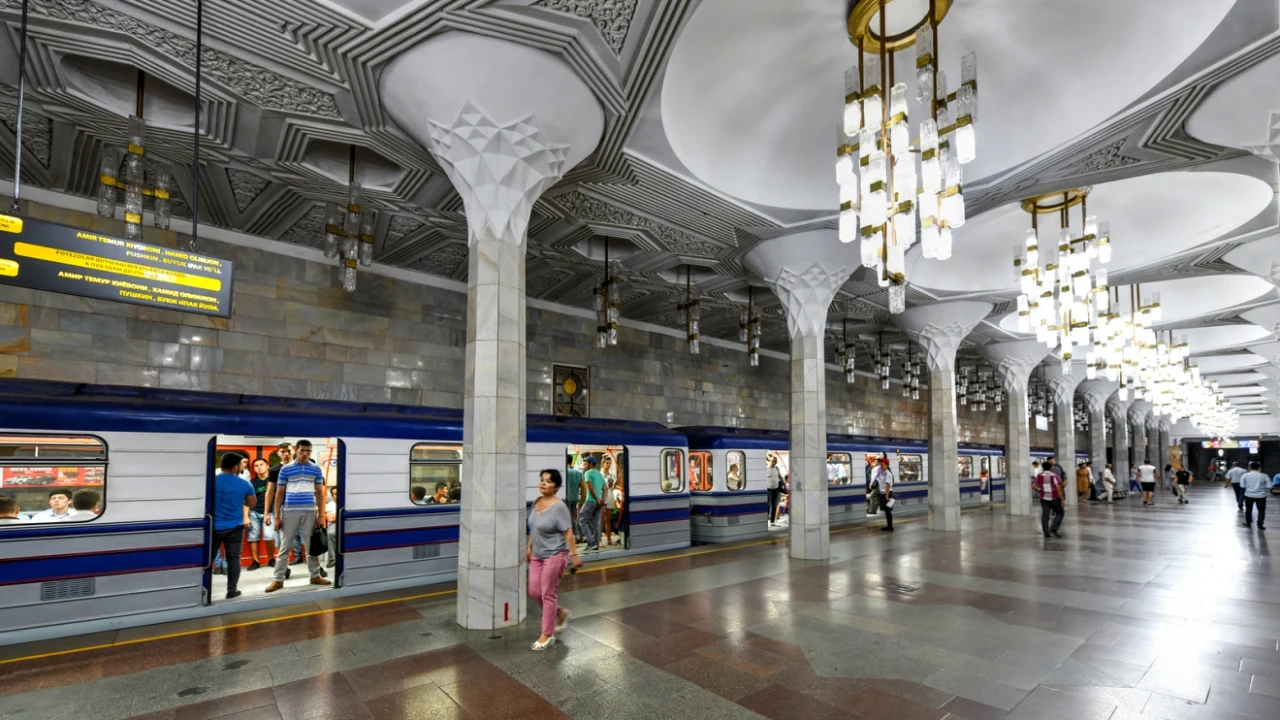
Extensive reforms are being implemented in the Tashkent metro to significantly improve passenger service quality, ensure movement safety, and enhance convenience. This was reported by Zamin.uz.
In this regard, an important decision has been made by the country's leadership to improve the efficiency of the Tashkent metro's operations. This document plays a key role in advancing the capital's transport system to a new stage.
According to the approved plans, by 2030, the daily number of passengers in the capital's metro is expected to reach one million eight hundred thousand. This indicator reflects a significant increase in the metro's share in the city's public transport.
Furthermore, specific tasks have been set for the coming years: increasing the number of metro stations to seventy-nine and extending the total length of lines to one hundred three kilometers. To save passengers' time, train arrival intervals—i.e., headways—will be reduced to two to three minutes.
As part of infrastructure development, by the end of 2028, vending machines and small retail kiosks will be installed at station entrances and passageways, provided that safety requirements are met. This innovation will create additional conveniences for passengers and contribute to giving the metro area a modern appearance.
At the same time, entrepreneurs will be offered the opportunity to provide services in metro areas on a lease basis through auctions. Another important project is the construction of special parking lots near metro stations.
Through this system, benefits will be provided to drivers who leave their personal vehicles and continue their journey by metro. Specifically, a mechanism will be introduced for paying for parking via metro tickets or offering discounts for transfers.
Such measures are aimed at reducing traffic congestion in the city center and encouraging residents to use public transport more frequently. In conclusion, it can be said that in the coming years, the Tashkent metro will become not just a means of transport, but a high-tech, multi-functional service complex.
The increase in the number of stations and improvement in train speed will make movement easier and more pleasant for both city residents and visitors. Changes in the metro will raise the quality of urban life to a new level.