Five new large flood and water reservoirs will be built in Uzbekistan
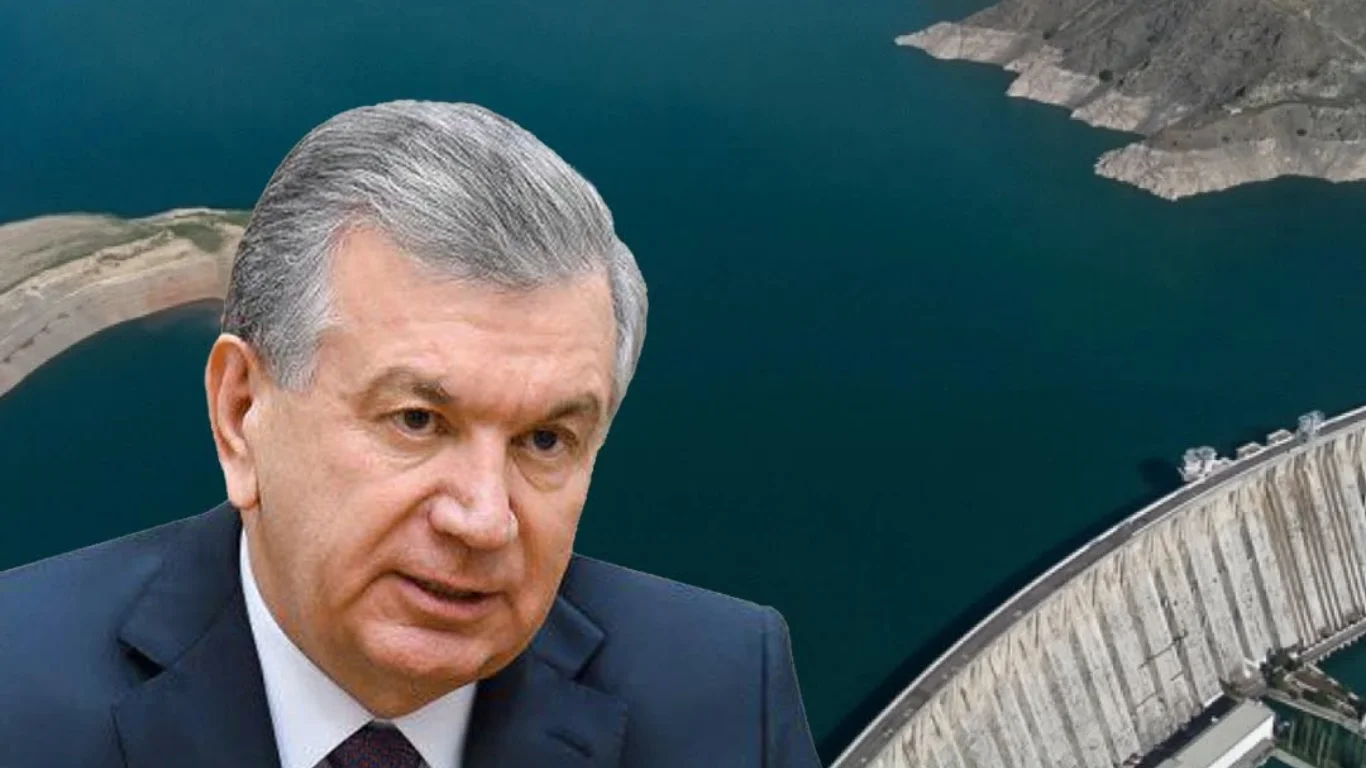
A new decree signed by the President of the Republic of Uzbekistan, Shavkat Mirziyoyev, regarding the efficient use of mudflow and flood waters is expected to create a significant turning point in the country's water management system. This was reported by Zamin.uz.
According to this document, five large mudflow and flood reservoirs will be constructed in various regions of the republic between 2027 and 2030. These projects will primarily cover the mountainous and foothill areas of the Jizzakh, Samarkand, and Tashkent regions.
Specific locations have been designated for the construction of the new water facilities. In particular, modern hydraulic structures will be built in Tangatopdisoy in the Bakhmal district of Jizzakh region, G'ijduvonsoy and Choshtepasoy in the Urgut district, Oqtepasoy in the Koshrabot district of Samarkand region, and Oqsoqotasoy in the Bostanliq district of Tashkent region.
As a result of the commissioning of these reservoirs, the water supply for thousands of hectares of land will be fundamentally improved, and opportunities for reclaiming unused agricultural lands will expand. According to calculations, the new water reserves will stabilize the water supply for 7,000 hectares in the Samarkand region, 2,000 hectares in the Tashkent region, and 300 hectares in the Jizzakh region.
Furthermore, more than 3.6 thousand hectares of new land will be brought into agricultural circulation in the Samarkand and Tashkent regions. This will serve to ensure food security in these areas and significantly increase crop production volumes.
Experts have identified a total of 60 promising sites across the republic where small reservoirs can be constructed. The primary purpose of these mudflow reservoirs is not only to collect water but also to mitigate the negative consequences of spring floods and mudflows.
The rational use of these water sources will create new jobs in rural areas and increase the income of the population. Special attention is being paid to the principles of public-private partnership in financing the projects.
Specifically, private investors will be attracted to the construction of certain facilities in the Jizzakh and Tashkent regions. Additionally, allowing the organization of tourist destinations, recreation zones, and fish farms around the reservoirs will further increase the economic attractiveness of these areas.
The state, for its part, guarantees the provision of all necessary engineering and communication networks for these facilities.