Narrowing in the Strait of Hormuz raises global concerns
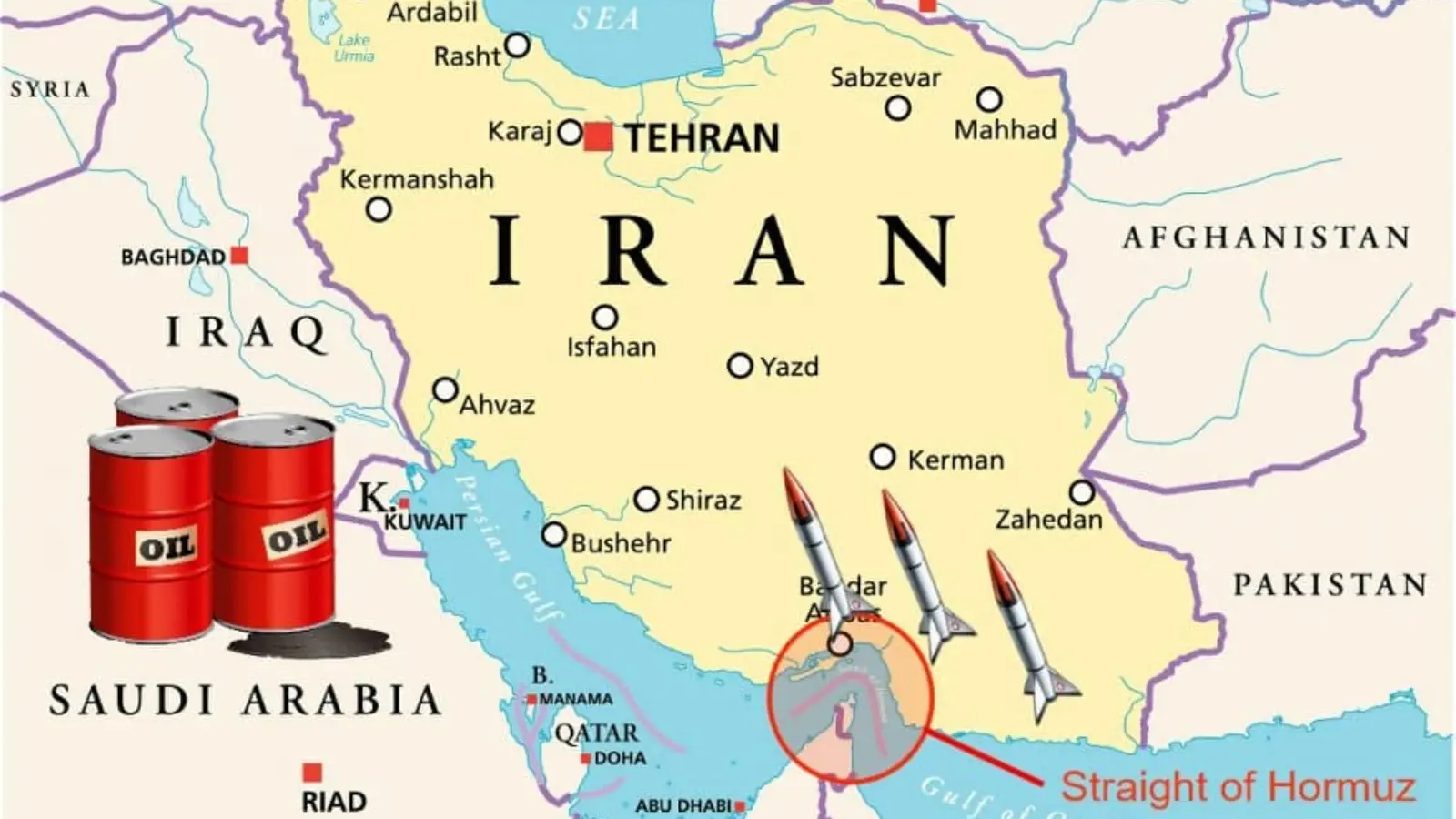
Tensions in the Middle East are not limited to the military sphere but also affect one of the most critical points of the global economy. This was reported by Zamin.uz.
According to the Reuters news agency, the naval forces of the Islamic Revolutionary Guard Corps of Iran announced via radio that the movement of ships through the Strait of Hormuz has been restricted. However, official Tehran has not confirmed this directive.
This situation does not represent an official closure but indicates conditions that pose a serious threat to the movement of ships in the strait. Iran had previously warned several times about closing the Strait of Hormuz.
The current situation shows that these threats are becoming a reality. The Strait of Hormuz is a strategic route for the world’s oil and gas supply.
Nearly 20 percent of the world's produced oil is transported through this strait. A large portion of Qatar's liquefied gas also passes through this route.
Major exporters such as Saudi Arabia, Iran, Iraq, and the United Arab Emirates mainly transport their products via this route. Therefore, any obstruction in the strait could lead to serious consequences for global markets.
According to Bloomberg and Reuters, although the strait is officially open, ship movements have slowed down or stopped. Some tankers have temporarily halted passage through the strait, while others have changed their routes.
Japan’s Nippon Yusen KK company has advised its ships to avoid this area. Greece has called on its vessels flying its flag to exercise caution.
Data from systems monitoring tanker movements indicate that some ships near the Strait of Hormuz have reduced speed or stopped. Reuters reports that there is a buildup of ships in the area and queues at ports.
The greatest concern relates to the energy market. Oil prices have already risen, reaching $73 per barrel.
If the situation in the strait worsens, prices could reach $100. This would negatively impact fuel prices, logistics, and inflation, causing difficulties in daily life in various countries.
Today’s situation in the Strait of Hormuz is viewed not only as a regional but also as a strategic issue affecting the global economic situation. If pressure in the strait increases, its consequences could soon be felt worldwide.