


Iran: Transition Period Begins Following the Death of the Supreme Leader
An important and complex period in Iran's political history has begun. This was reported by Zamin.uz.
On March 1, 2026, Iranian state media announced the formation of a special transition council to temporarily govern the country following the death of Supreme Leader Ayatollah Ali Khamenei. This news signifies the beginning of a new political era not only in Iran but throughout the entire Middle East region.
According to the Iranian Constitution, when the position of Supreme Leader becomes vacant, the governance of the state is temporarily handed over to a special council. According to Associated Press, this council consists of Iranian President Masoud Pizishkion, head of the judiciary Gholamhossein Mohseni Ejei, and a representative from the Assembly of Experts.
The council will manage state governance until a new Supreme Leader is elected. The Supreme Leader of Iran is the highest authority in the state system, holding decisive influence over the military, security, judiciary, and strategic decisions.
Therefore, the transition council serves as the main temporary mechanism to fill the power vacuum in the country. Attention is now focused on the "Assembly of Experts," which is responsible for electing the new Supreme Leader.
This body is composed of Shia clerics and is formed through elections. Candidates are approved by the Assembly of Experts.
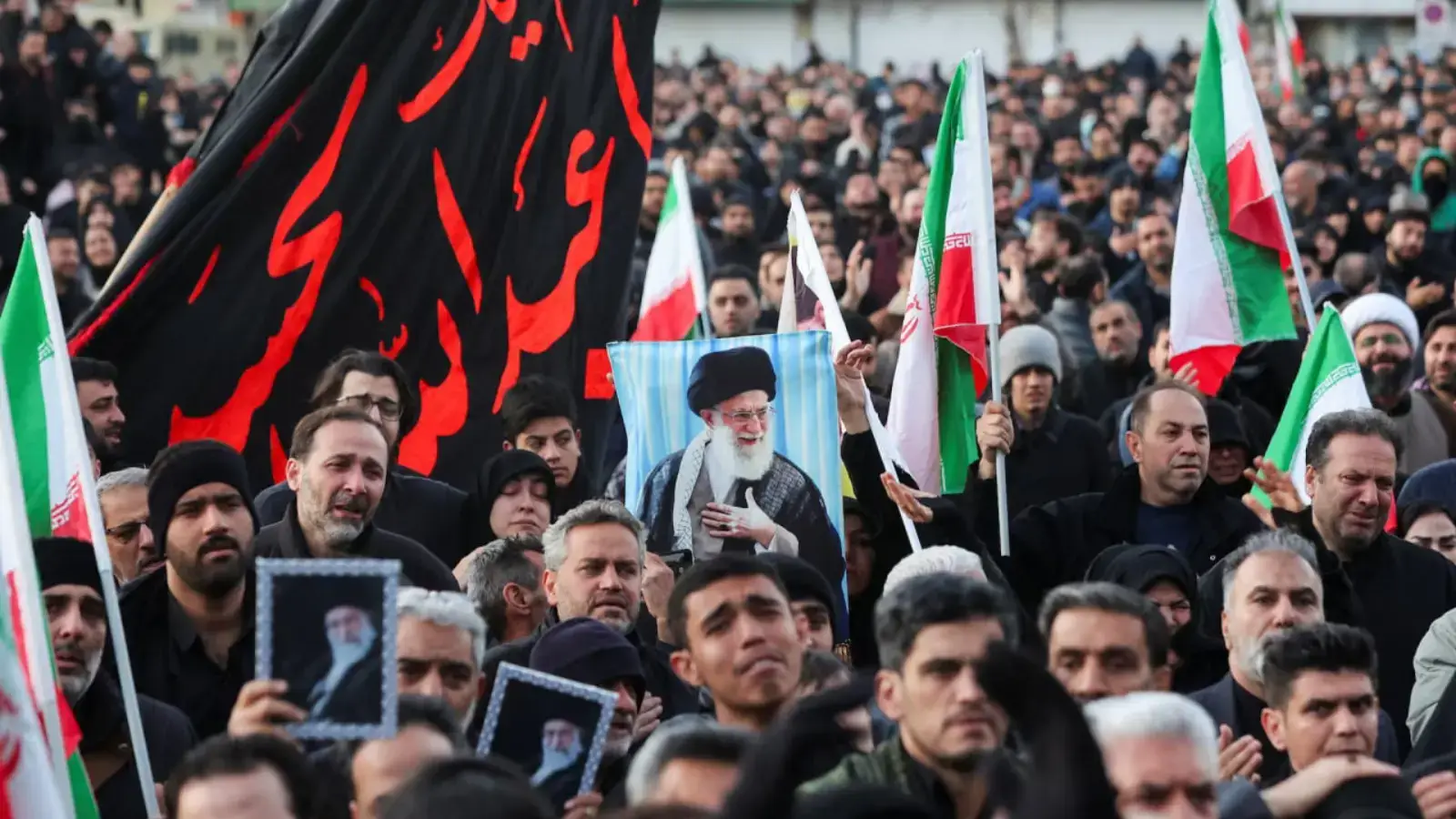
A 40-day mourning period has been declared in the country, and a one-week nationwide holiday has been introduced. The situation in Tehran has become tense, with many citizens gathering in Revolution Square to express their reactions to the events.
Reports of losses among high-ranking officials in the Iranian army and military elite are spreading. According to Reuters and AP, the Chief of Staff of the Iranian Army, Abdulrahim Mousavi, and Defense Minister Aziz Nasirzoda have died.
This situation is leading to further escalation of the political and military environment within the country. Iran is currently undergoing a complex period that could determine not only political changes but also the fate of the entire system.
In the coming days, the election of the new Supreme Leader and the development of political processes are expected to impact not only Iran but the entire region.