



Trump's lawsuit against mass media rejected
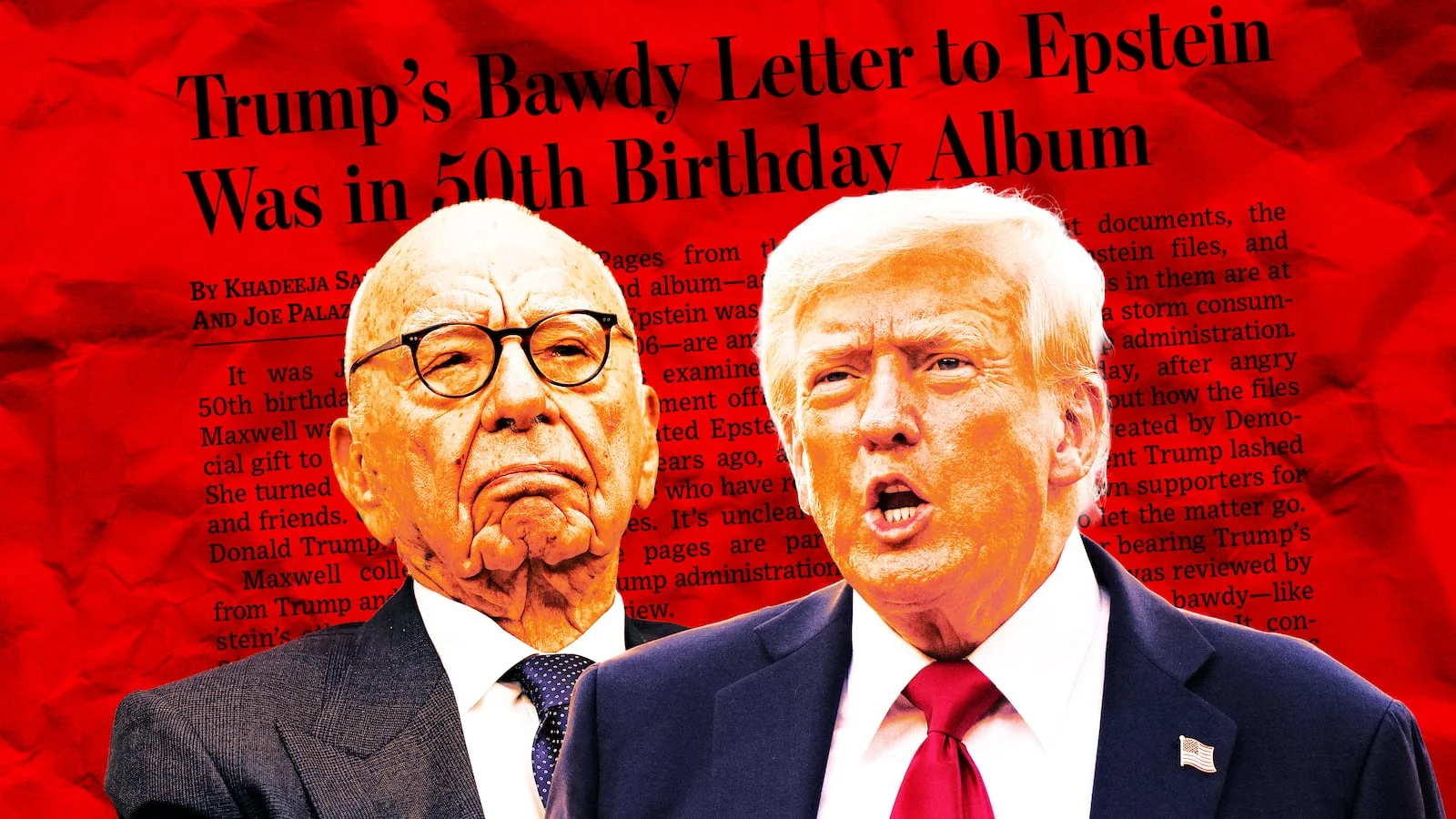
The ten-billion-dollar lawsuit filed by former US President Donald Trump against Rupert Murdoch, a major figure in the media world, and the prestigious The Wall Street Journal publication has come to an unexpected end. This was reported by Zamin.uz.
A federal court in Florida decided not to grant this sensational claim. This dispute, which caused significant debate within global politics and mass media, is drawing attention for its specific legal aspects.
At the center of the conflict is an article published in the publication. It claimed that in 2003, Trump sent a letter and photo of an obscene nature on the occasion of financier Jeffrey Epstein's fiftieth birthday.
Donald Trump strongly denied this information, accused the publication of defamation, and demanded a large amount of compensation. In dismissing the lawsuit, Federal Judge Darrin Gails noted that Trump's side failed to provide evidence proving the defendants' malicious intent or the deliberate dissemination of false information.
According to US law, politicians and public figures must prove that a publication deliberately spread information contrary to the truth in order to accuse the press. The judge also noted that before the article was published, journalists had sought comments from Trump himself, the Federal Bureau of Investigation, and the Department of Justice.
This indicates that the publication attempted to study the event objectively and their intention was not simply to defame. For reference, Jeffrey Epstein was imprisoned in 2019 on charges related to sex trafficking of minors and died in prison.
Although the judge dismissed the current lawsuit, he left Trump the opportunity to resubmit his application with new evidence. Currently, heated debates continue among the public regarding the boundaries of media giants reporting personal information about famous individuals and whether Trump can prove his truth through the court.
This process is significant not only for politics but also for defining the fine line between freedom of speech and personal privacy.