


Russia and Taliban signed an agreement on military technical cooperation
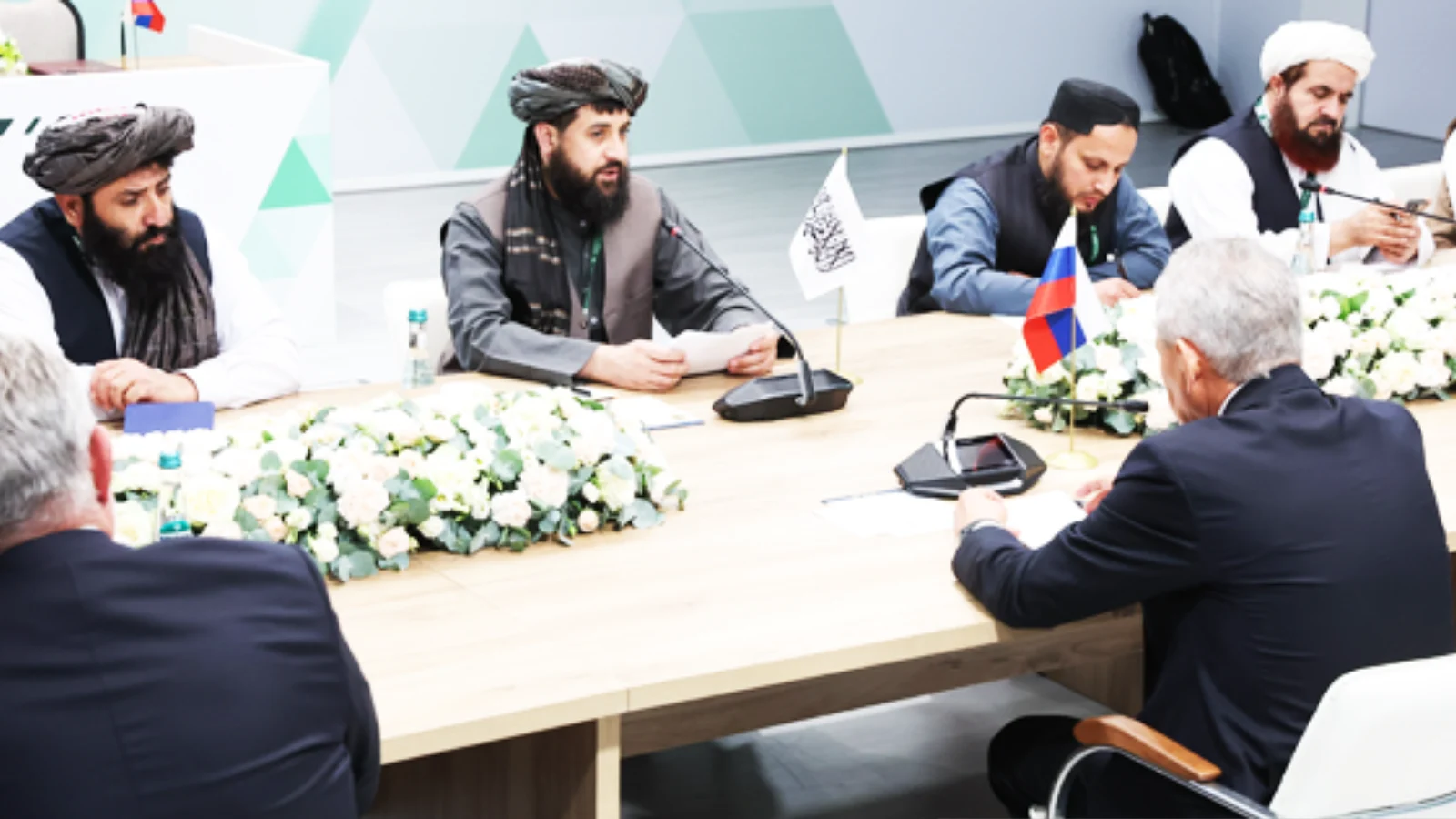
Russia and the Taliban government in Afghanistan have signed a new agreement on military and technical cooperation, Zamin.uz reported.
The agreement was formalized during an influential forum held in the Moscow region. This document signals a new phase in bilateral relations between the two sides.
Such agreements typically involve arms deliveries, exchange of military technologies, implementation of special licenses, and joint projects. Accordingly, the deal confirms that Russia’s ties with the Taliban are becoming more practical and strategic in nature.
Sergey Shoigu, Secretary of the Russian Security Council, met with Afghanistan’s Defense Minister Muhammad Yaqub to discuss regional stability issues. During the talks, special attention was given to ensuring security and developing bilateral cooperation.
Russia began engaging with the new Afghan government shortly after the change of power in 2021. In recent years, Moscow has gradually eased restrictions on cooperation with the Taliban.
Russia views this engagement as vital for maintaining security in Central Asia and countering various extremist groups. In 2025, Russia announced the removal of the Taliban from its list of terrorist organizations, further energizing the dialogue.
The shift toward military-technical cooperation between the sides could significantly influence the geopolitical situation in the region. Beyond humanitarian aid and economic ties, Moscow is now deepening its security engagement with Kabul.
This process holds considerable importance from the perspective of Central Asian security and the balance of forces around Afghanistan. At the same time, such agreements may be received differently on the international stage.
The global community’s stance toward the Taliban government remains divided. While some countries favor practical engagement, others approach the issue cautiously due to human rights concerns.
This new step in Russia-Afghanistan relations is expected to reshape the political landscape in the region.

![Fransiya Usmonova proposed removing [the name] from the sanctions list](/uploads/mini/web-300/04/e8d7de74763e0760c29bdbfd3d91b77a.webp)