The district soviet apparatus signaled after forty years of silence
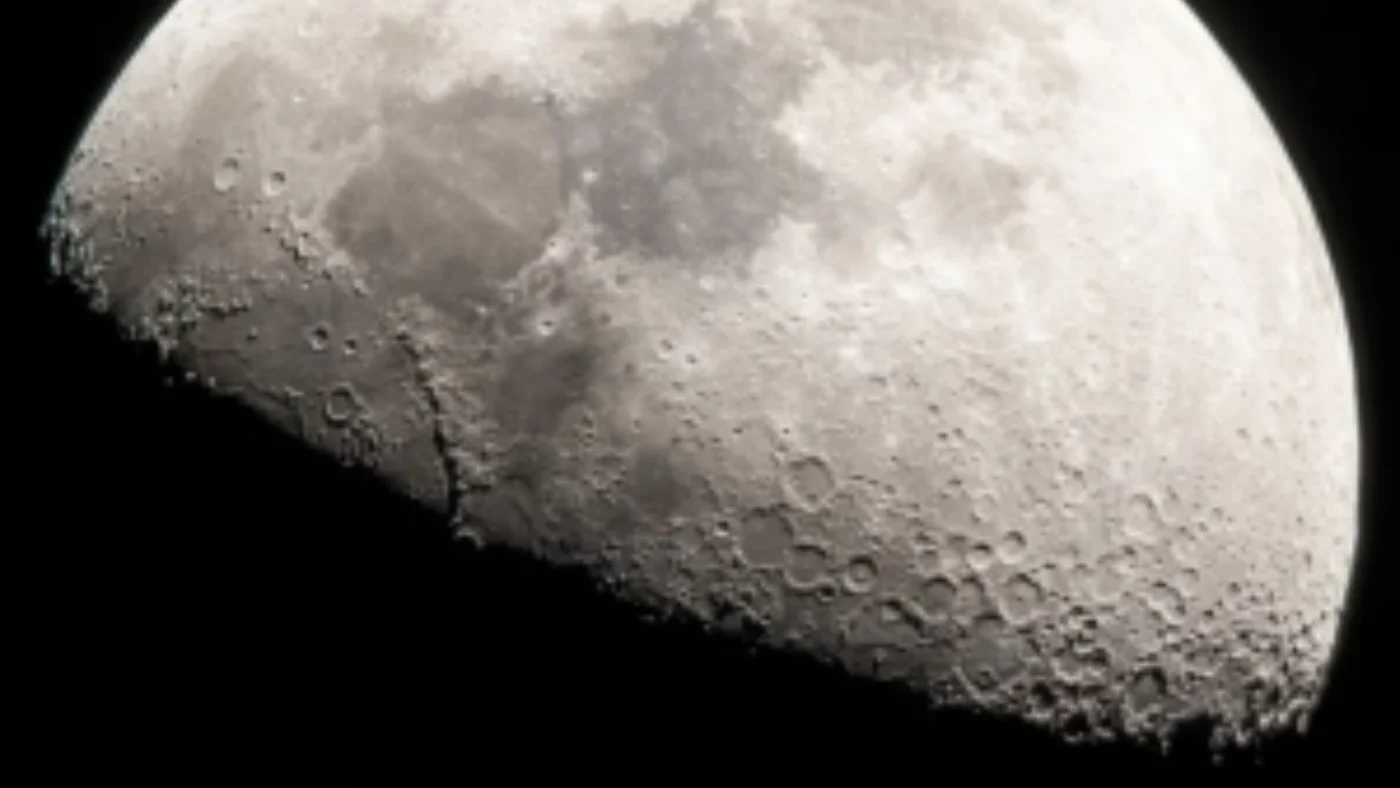
Lunokhod 1, considered the first Soviet apparatus on the Moon, has once again come to the center of attention of world scientists after nearly forty years of silence. Zamin.uz reported on this.
Although communication with the device was lost in 1971, it has recently been revealed that an unexpected laser signal was detected from it. Prestigious scientific publications are reporting this.
According to historical data, this apparatus was delivered to the lunar surface in November 1970 as part of the Luna 17 station. Although the device's operational lifespan was initially intended for a short period, it operated effectively for nearly a year.
Over time, the apparatus managed to travel nearly ten and a half kilometers across the lunar surface, successfully sending numerous unique photographs and important scientific data back to Earth. However, by the autumn of 1971, communication with the apparatus was completely severed.
Over time, scientists also lost the ability to use the special laser reflector installed on it. The main reason for this was that the device's exact coordinates on the lunar surface remained unknown.
For many years, this equipment was regarded as a lost object in the depths of space. The situation changed in 2010 with the help of an American satellite orbiting the Moon.
High-precision images obtained using modern technologies identified the exact location where Lunokhod 1 was standing. Subsequently, researchers directed laser beams toward this point and managed to receive a response signal that was even stronger than expected.
Scientists note that the laser reflector on this apparatus is working more effectively than subsequent generations of devices. During initial measurements, it was found that the apparatus returned nearly two thousand light particles.
This indicator is significantly higher than previous record results. Specialists emphasize that laser measurements of such precision will be of great help in determining the distance between the Earth and the Moon down to the centimeter, as well as in deeper studying the movement and internal structure of our natural satellite.
This discovery has once again proven that old technologies can still serve science.


![Fransiya Usmonova proposed removing [the name] from the sanctions list](/uploads/mini/web-300/04/e8d7de74763e0760c29bdbfd3d91b77a.webp)