



"Citeh" and "Arsenal" played a draw
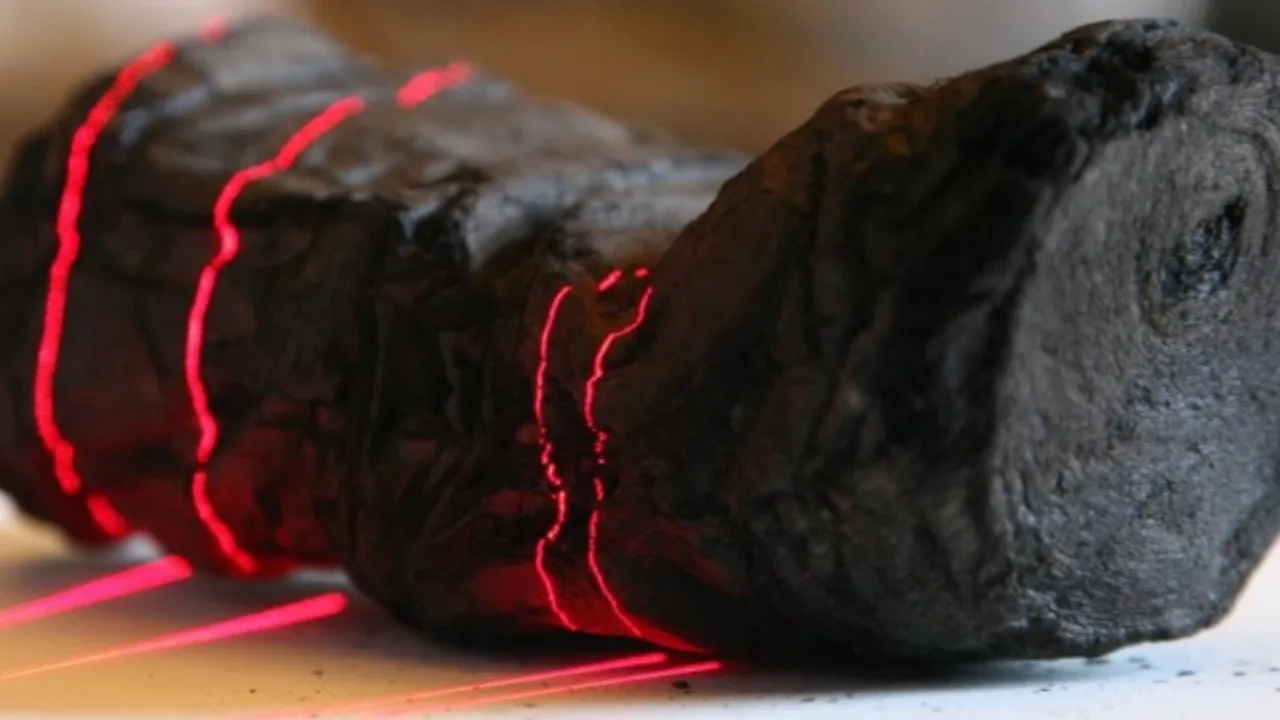
Modern technologies have paved the way for another historical discovery. Zamin.uz reported on this.
Using artificial intelligence, scientists have managed to virtually open and read the writings of an ancient papyrus manuscript that was charred nearly two thousand years ago as a result of the eruption of Mount Vesuvius. Researchers succeeded in restoring previously unknown text from the papyrus designated as PHerc 1667.
The restored writing contains ideas regarding Stoic philosophy, human ethics, art, and lifestyle. Experts speculate that this work may date back to the second and third centuries BC.
The manuscript was found in the famous villa library in the ancient city of Herculaneum. Like Pompeii, this city was buried under ash during the eruption of Mount Vesuvius in 79 AD.
In previous attempts, it was impossible to open the papyrus because any mechanical movement could have completely destroyed it. However, new technology has changed the situation.
Artificial intelligence analyzed the smallest changes in the papyrus fibers through X-ray images and identified invisible ink traces. In this way, the text in the manuscript was restored in digital form without opening it.
Scientists believe that this discovery could start a new stage in the study of ancient manuscripts. Now, it is possible that hundreds of papyri that have remained silent for centuries may begin to speak again with the help of modern technologies.
Researchers noted that this manuscript not only revealed new philosophical information but also demonstrated how extensive the capabilities of artificial intelligence are in preserving and reading ancient works.


![Fransiya Usmonova proposed removing [the name] from the sanctions list](/uploads/mini/web-300/04/e8d7de74763e0760c29bdbfd3d91b77a.webp)