



Olympics 66 million year old dinosaur water collagen trace
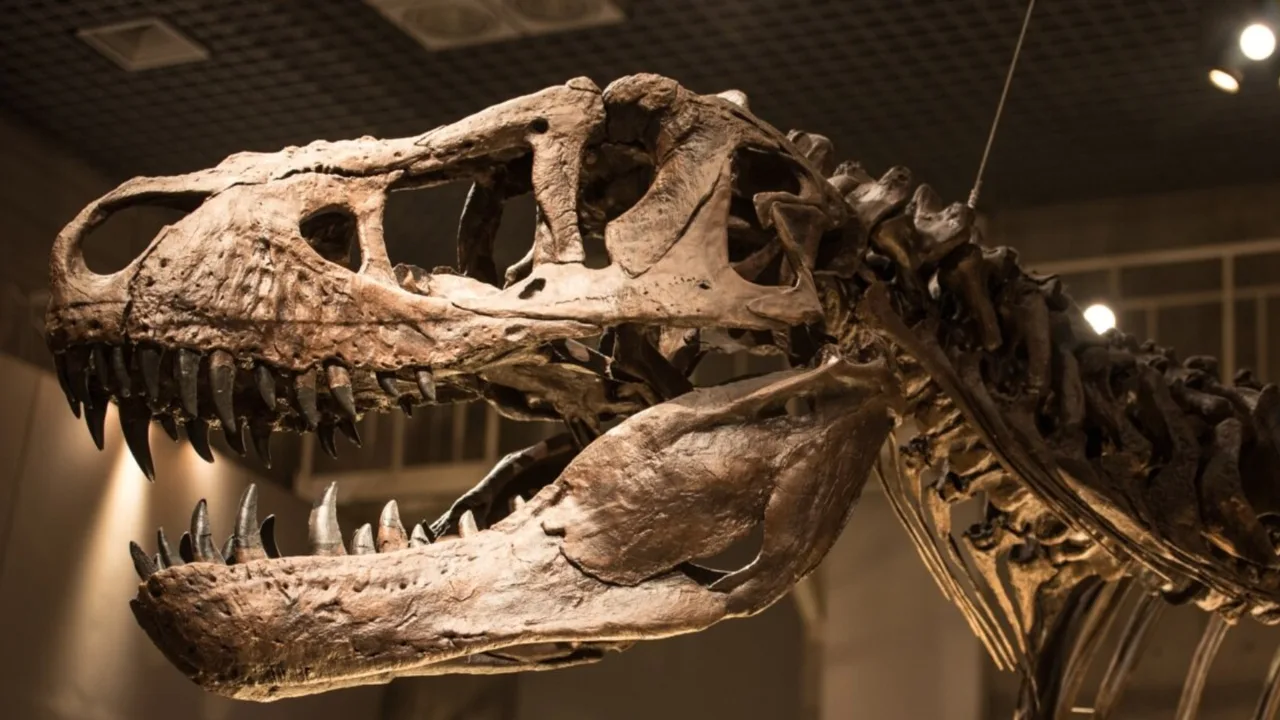
Scientists have identified preserved molecules of collagen, the primary protein of bone marrow, within a 66-million-year-old dinosaur bone. One.uz reports.
This extraordinary discovery is prompting a reconsideration of the scientific view that all organic molecules must inevitably disappear during the fossilization process. The bone was obtained from an Edmontosaurus, weighing approximately 22 kilograms, dating back to the late Cretaceous period in the Hell Creek formation of South Dakota, USA.
Traces of collagen found in the fossil The discovery of collagen traces in the fossil has prompted researchers to use several scientific methods to rule out contamination from modern proteins. The research team, led by Professor Steve Taylor of the University of Liverpool, used protein sequencing and tandem mass spectrometry to confirm that the organic matter originated from the dinosaur itself rather than from the environment.
The results show that hydroxypro-pro-line, an amino acid specific to collagen, was present in the sample. This strengthens the hypothesis that ancient organic substances can survive for millions of years under certain natural conditions.
New evidence for scientific debate The question of whether proteins can survive for tens of millions of years has been a subject of scientific debate for nearly 30 years. The findings suggest that if ancient proteins can be preserved in fossils, it could provide a vast "treasure trove" for paleontologists to study extinct species at a molecular level.
The researchers suggest that there may be many more fossils containing preserved collagen waiting to be discovered. This could open new doors for understanding the biology and evolution of extinct animals, enriching our knowledge of the dinosaurs that lived millions of years ago.



![Fransiya Usmonova proposed removing [the name] from the sanctions list](/uploads/mini/web-300/04/e8d7de74763e0760c29bdbfd3d91b77a.webp)