


The number of children in poverty has increased to 600 million
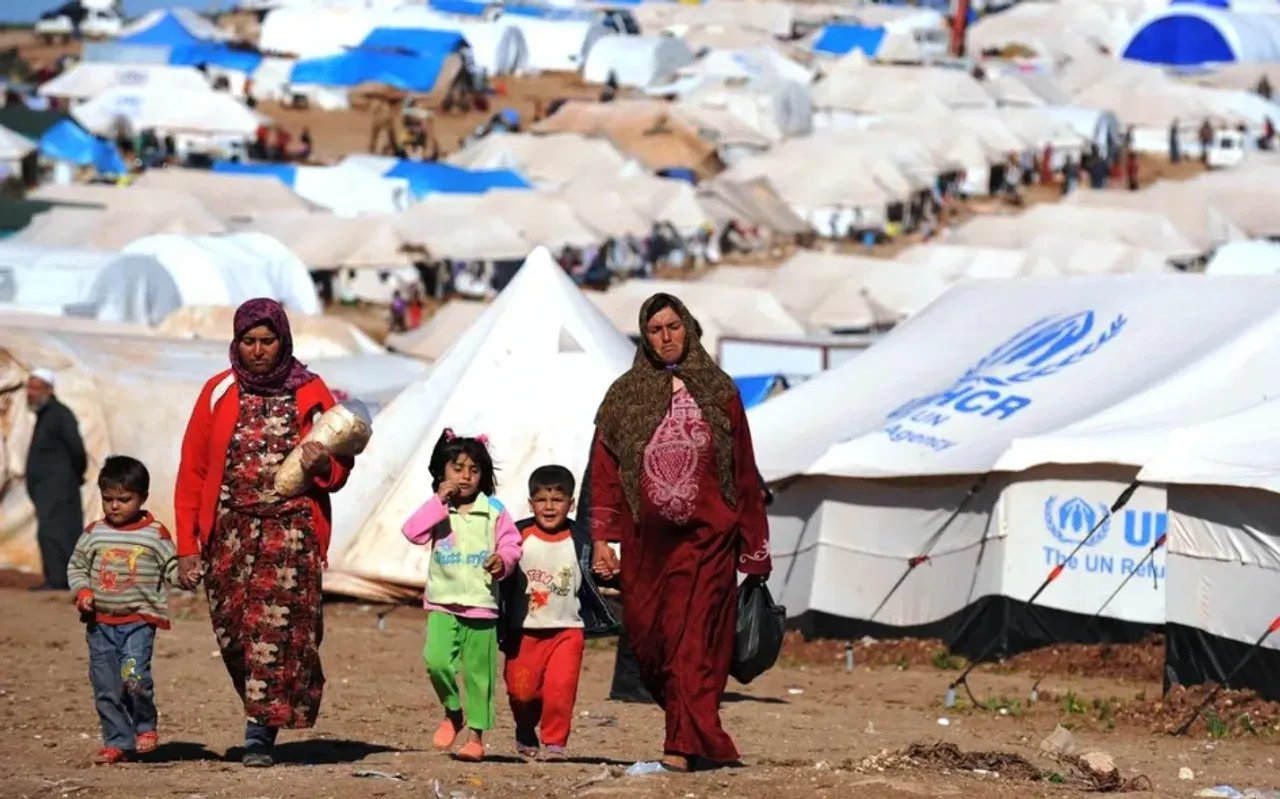
1.2 billion people around the world are living in extreme poverty. One.uz reports this.
In one year, their number has increased by 51.5 million. This was stated in a report prepared by the United Nations Development Programme (UNDP) and researchers from Oxford University.
Wide-ranging impacts and problems of poverty People living in extreme poverty face not only financial difficulties but also issues such as hunger, limited access to education, and lack of clean drinking water and electricity. The most alarming aspect is that more than half of the population in this category are children.
This situation limits the development of future generations and reduces the number of creative and skilled professionals. Specific countries and general trends The increase in the number of people living in poverty is also linked to population growth.
Only 13 out of the 108 developing countries covered by the report provide new data. This makes it difficult to fully and objectively assess the statistics.
However, over the past 15 years, in 33 countries, the proportion of the population living in poverty based on multidimensional poverty criteria has halved. China and Vietnam are cited as examples of countries that have benefited from these changes.
The problem of poverty remains prevalent in African countries south of the Sahara and countries in South Asia. However, in Egypt, Nepal, and Tajikistan, the level of poverty has decreased significantly, and the number of people suffering from it has also declined.
In Angola and Zambia, although the level of poverty has decreased, the number of people living in poverty has increased due to rapid population growth. This situation occurs when the rate of population growth exceeds the pace of increasing economic and social capacities.<