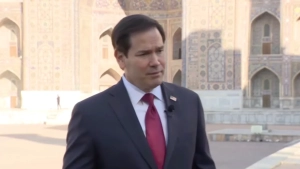
Trump announces support for Netanyahu
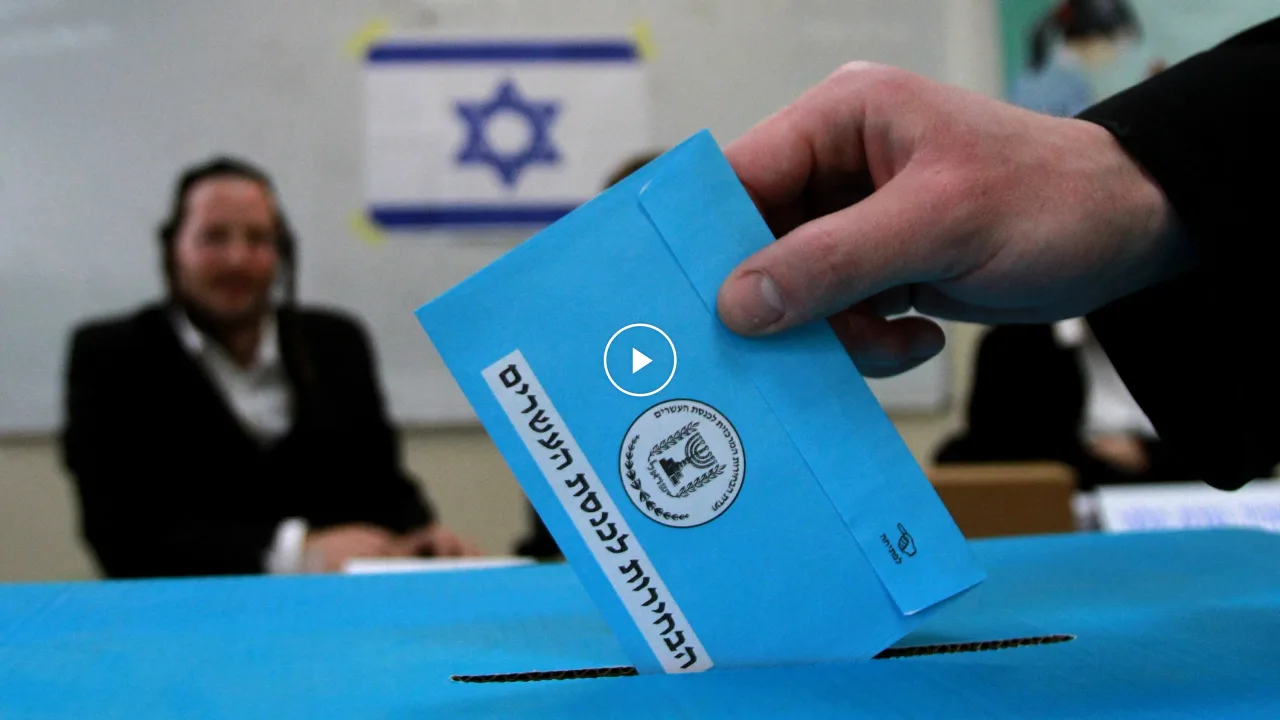
US President Donald Trump has declared open and full support for Israeli Prime Minister Benjamin Netanyahu ahead of the October 27 Knesset elections, One.uz reports.
The White House leader justified his decision by citing the shared strategic interests of Washington and Tel Aviv against Iran. However, this endorsement comes at a complex political moment for Netanyahu, as his Likud party trails in domestic polls.
Trump views Netanyahu’s continued leadership as essential to regional security, arguing that a different Israeli leader would leave the US to confront Tehran alone.
He emphasized that, in coordination with Netanyahu’s government, the US has been delivering sustained military and financial pressure on the Iranian regime, with additional sanctions and pressure to continue until Tehran changes its foreign policy.
Despite Trump’s unequivocal backing, the internal situation in Israel does not favor the incumbent prime minister. According to a social poll cited by The Jerusalem Post, the opposition party Yeshar, led by former IDF Chief of Staff Gadi Eisenkot, could win 22 seats in the election.
Meanwhile, Netanyahu’s Likud party, currently the governing force, is expected to fall to second place with 19 seats—down from its previous tally. While individual party indicators vary, the overall prospects of pro-government and opposition blocs remain very close.
The Challenge of Coalition Building With 120 seats in the Knesset, forming a majority and establishing a new government requires at least 61 seats. However, winning the most seats as a single party does not guarantee outright victory.
According to AP analysis, the first scenario involves opposition centrist and right-wing parties uniting into a single bloc. The second path sees Netanyahu maintaining his existing alliance with far-right political forces.
Arab citizens, constituting roughly 20% of Israeli voters, are represented by parties expected to win 13–15 seats. Their role in the balance of power could be pivotal in shaping the next government.
If neither bloc manages to secure 61 seats, the country faces the risk of another election.