




The Gormuz mouth opened pressure drops in the oil transportation route
As a result of the agreement reached between the United States and Iran, the Strait of Hormuz — one of the most critical points on global trade routes — has been reopened for tanker traffic, according to Zamin.uz.
Given that nearly 20% of global oil shipments pass through this waterway, the news is expected to significantly ease pressure on the global energy market, as reported by Autocar.co.uk.
Amid easing geopolitical tensions, the price of Brent crude oil has fallen below $80 per barrel. For comparison, at its peak, this indicator had risen as high as $120.
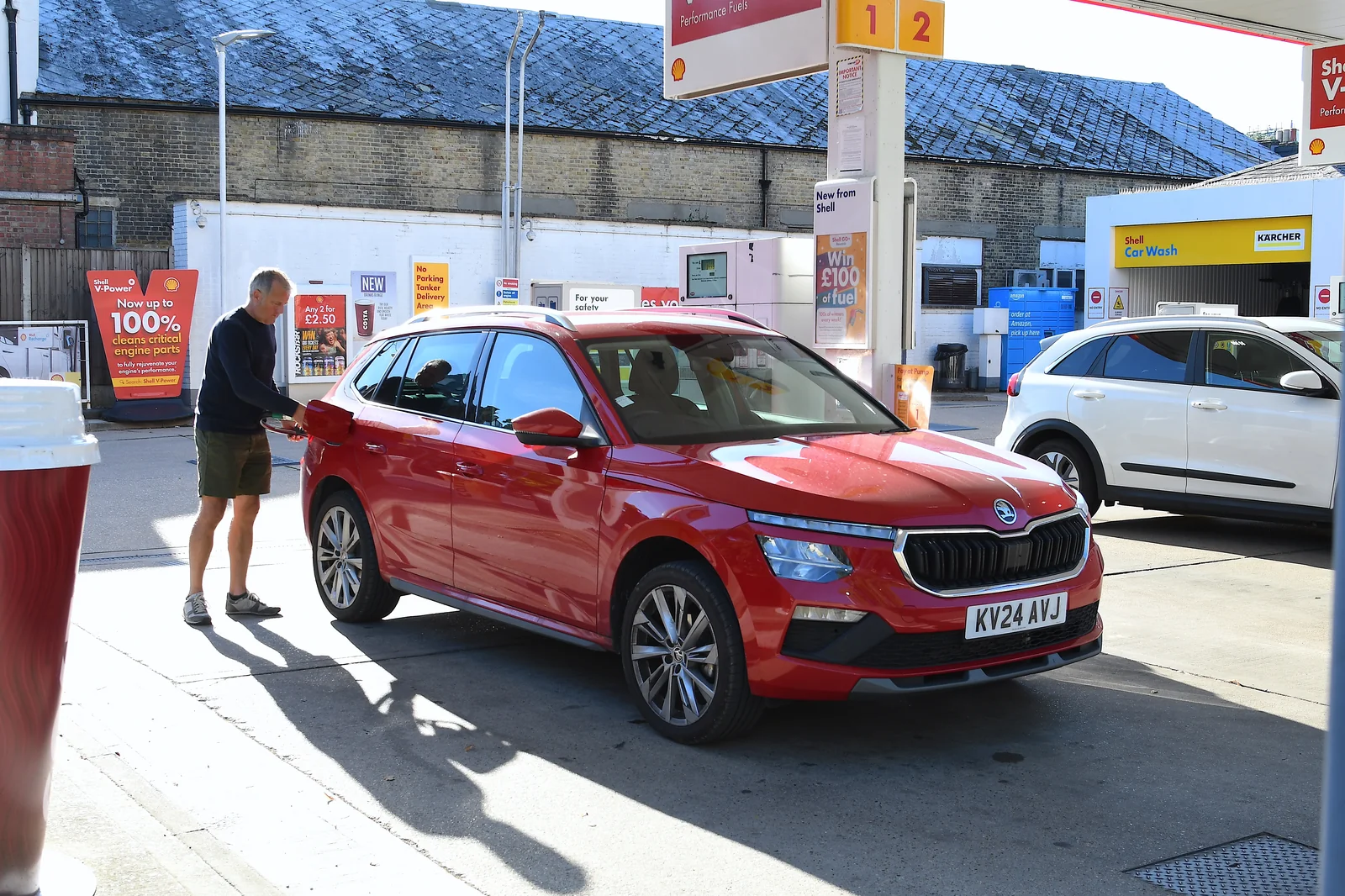
While the drop in prices is being welcomed as a positive signal on world markets, motorists may need to wait a little longer before seeing a corresponding decrease at the pump. Experts emphasize that although wholesale prices react quickly to changes in oil quotations, the situation at retail is different.
According to Gordon Balmer, executive director of the Petrol Retailers Association, retailers purchase fuel under contracts of varying durations — some buy daily, others weekly or biweekly.
This means that fuel bought at higher prices must be used up before lower prices reach consumers. As Professor Nigel Driffield of Warwick Business School notes, the speed of price declines depends largely on futures contracts signed during periods of volatility.
If fuel companies locked in long-term supply agreements when prices were high, the drop in prices for consumers could be delayed. According to data from the AA (Automobile Association), even before the truce was signed, there had been a slight decline in gasoline and diesel prices.
Currently, gasoline has become about 4.6 pence cheaper per litre, and diesel about 9 pence cheaper — enough to yield noticeable savings when filling an average-sized tank.
However, experts warn that prices could quickly return to pre-truce levels. They suggest that motorists may begin to see a noticeable drop in fuel prices at the pump in approximately three weeks.
Nevertheless, logistical challenges remain. Many tankers are currently operating on routes far from the Fors Strait, and their return will take time.
For import-dependent countries like Uzbekistan, or markets where prices are tied to global oil quotations, stability in the Strait of Hormuz is of significant importance. A decline in global prices helps stabilize domestic fuel prices and eases inflationary pressure.
