



«Stellantis» is developing a special platform for robotaxis
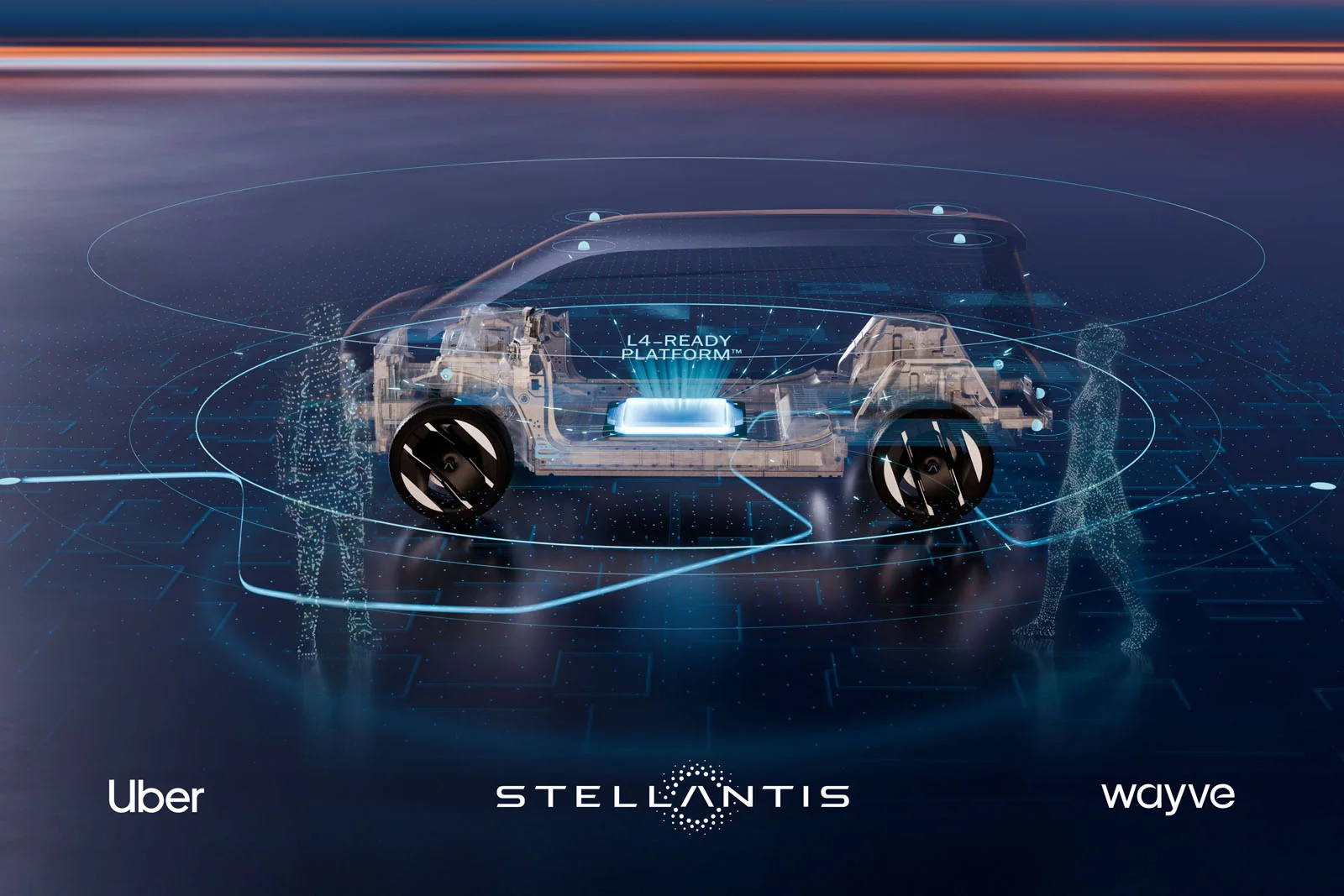
Stellantis is one of the major players in the global automotive industry, as reported by Zamin.uz.
The company has decided to fully adapt its upcoming STLA One platform—set to debut next year—to meet the demands of robotaxi operators. This move reflects Stellantis’ strategy to become a key supplier in the future urban mobility ecosystem.
This was reported by Autocar.co.uk. Brands under Stellantis, such as Peugeot and Vauxhall, will now produce specialized vans and light commercial vehicles integrated with autonomous driving systems.
According to reports, the new platform has been engineered not only for traditional drivers but also to be technically perfect for services controlled by artificial intelligence. As part of a strategic partnership with Uber and Wayve, Stellantis has signed a three-way agreement with Wayve, the UK-based autonomous software developer, and Uber, one of the world’s largest ride-hailing services.
Under this collaboration, starting this year, extensive trials of robotaxis are planned in ten major cities worldwide, including London. The significance of this partnership lies in the fact that Stellantis is no longer merely a supplier of metal bodies—it is becoming an integral part of high-tech mobility services.
Through the Uber platform, users will be able to order driverless Stellantis vehicles, opening new revenue streams for the company. For the Uzbek market, prospects are notable: given that Stellantis brands—especially Peugeot and Opel models—are already present to some extent in Uzbekistan’s automotive market, this global technological shift could influence local infrastructure in the future.
In our country, as smart city and digital economy initiatives continue to develop, such autonomous platforms are expected to significantly transform public transportation and delivery services. Experts believe the success of the STLA One platform will indicate how competitive Stellantis can be against technological giants like Tesla and China’s BYD.
Autonomous driving technology does not just offer convenience—it also enhances road safety and optimizes fuel consumption. In the near future, Stellantis plans to expand this platform beyond small hatchbacks to include large vans designed for commercial use.
This will be a crucial step for logistics companies aiming to implement driverless delivery systems.
