




Europe Union Imposes High Tariffs on Chinese Hybrid Cars
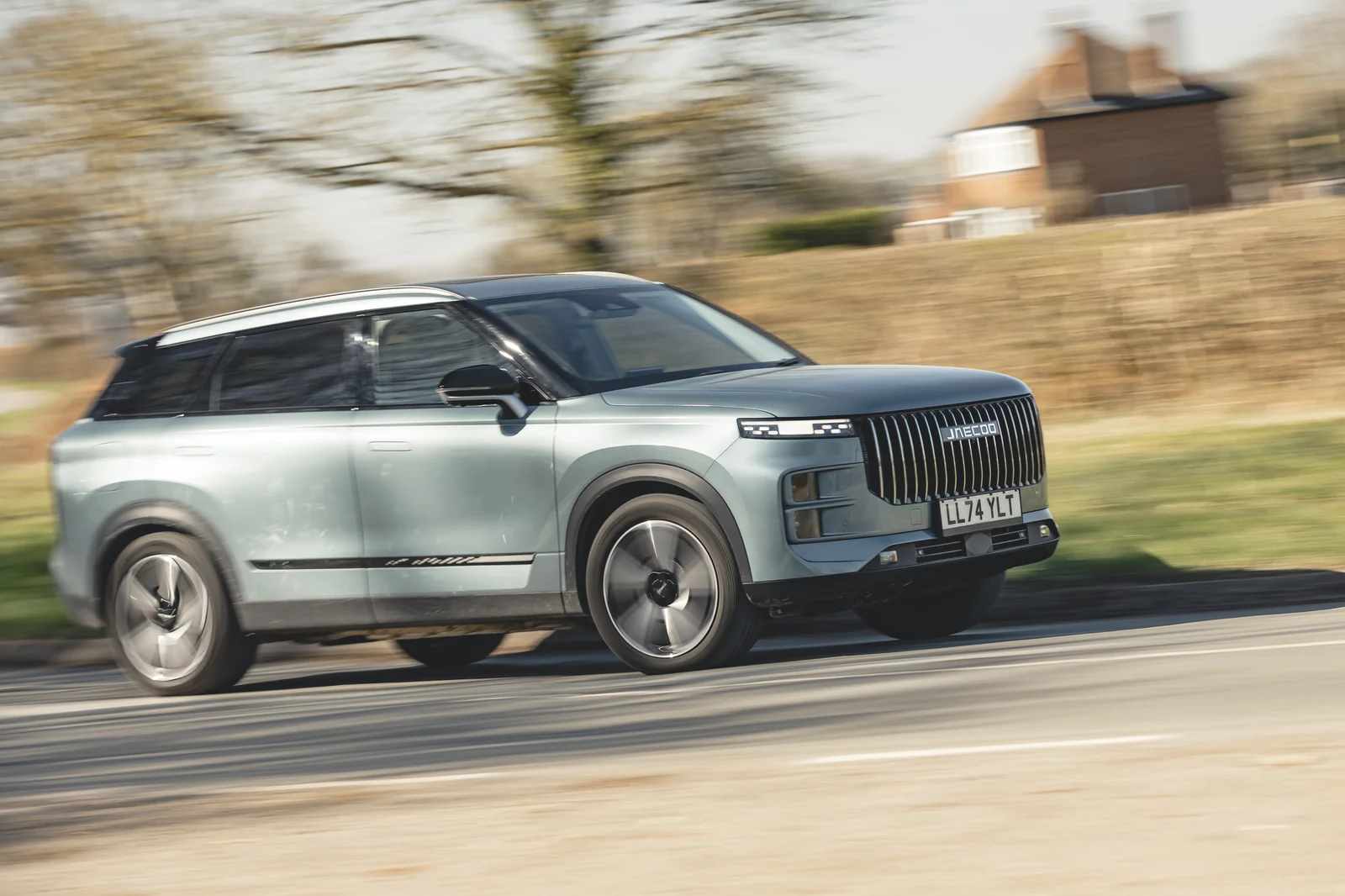
The European Union is considering the introduction of high customs duties on hybrid cars imported from China. This was reported by Zamin.uz.
This step is considered a strategic decision aimed at protecting the local automotive industry in the region and limiting the benefits derived from China's cheap technologies. According to the Autocar.co.uk website, the European Commission is preparing a relevant package of proposals for member states to vote on in the coming weeks.
In recent months, there has been a sharp increase in the sale of hybrid cars manufactured in China in the European market. This situation is causing concern among Union officials.
While previously compensatory duties were introduced only for pure electric vehicles, they may now also cover the hybrid segment. This is an important part of the fight against unfair competition resulting from the extensive subsidies provided by the Chinese government to its automakers.
This news is also of significant importance for the Uzbekistan automobile market. Hybrid models from BYD, Chery, and other Chinese brands are becoming increasingly common in our country.
It is clear that such restrictions in Europe will directly affect global pricing policies and the export directions of manufacturers. If the European market closes, Chinese brands may shift their primary focus toward Central Asia and CIS countries.
European manufacturers, particularly large companies such as Volkswagen, BMW, and Mercedes-Benz, are struggling to compete on price with Chinese firms like BYD or Geely in the field of hybrid technologies. The new duties are expected to give local brands the time and opportunity to restore their positions.
For now, the amount of the duties and when they will take effect remain unclear. However, industry experts believe that the European Union is maintaining a firm position in this regard.
This will lead to an increase in the cost of cars imported from China in the near future and a change in the competitive environment of the global automobile market. It should be specifically noted that the Chinese side considers such restrictions as discriminatory and is, in turn, developing countermeasures.
It has been reported that the Chinese government is threatening to introduce customs duties on large-engine vehicles imported from Europe. A new stage of the trade war will inevitably affect not only the manufacturers but also the end consumers.
