



Gasoline prices in Britain are higher than in Europe.
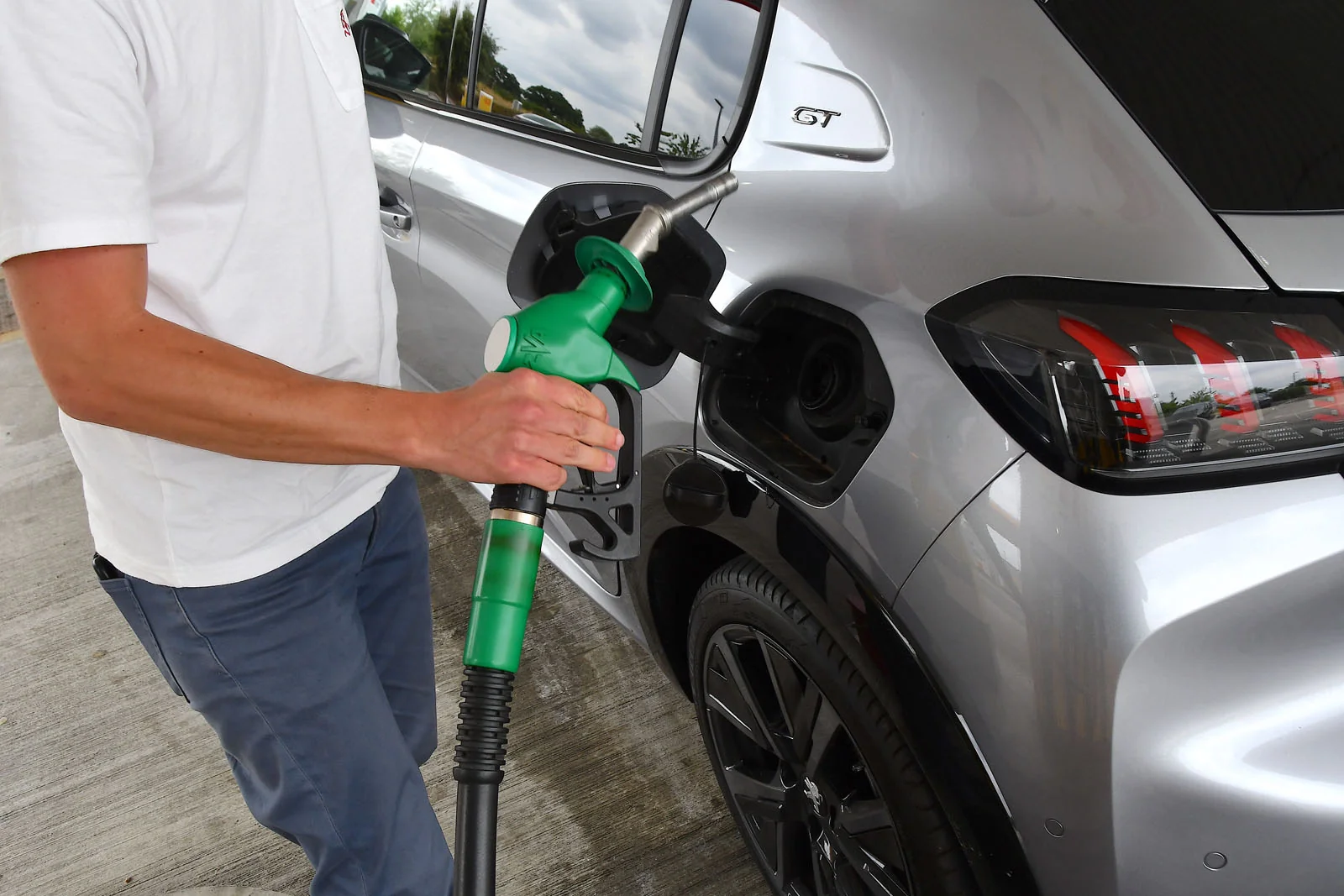
Car owners in Great Britain are currently forced to spend significantly more on fuel compared to many other European countries. This was reported by Zamin.uz.
According to data from the RAC organization, the average price of a liter of gasoline in Britain is currently 156 pence. In Cyprus, this figure is 136 pence, in Spain 130 pence, and in Malta it is only 116 pence.
This is reported by Autocar.co.uk. This difference is dealing a serious blow to the wallets of ordinary drivers.
For example, filling a 55-liter tank of an ordinary family car with gasoline costs Britons nearly 87 pounds sterling. With diesel fuel, it costs more than 100 pounds sterling.
While drivers in Eastern Europe, particularly in Poland, pay 122 pence per liter of gasoline, and 131 pence in Bulgaria, the disparity in prices in Britain is raising many questions. Experts note that all European countries purchase crude oil from the global market at nearly the same price and face similar geopolitical challenges.
Therefore, the main reason for such a large difference in prices lies in state tax policy. According to AA specialist Luke Bosdet, while some countries direct the main tax burden toward car ownership, such as annual fees, others place it directly on fuel consumption, namely through excise taxes.
Currently, 79 pence of the price of every liter of gasoline sold in Britain—more than half—goes directly to the state treasury in the form of taxes and VAT (Value Added Tax). For comparison, while the cost of the fuel itself and the seller's margin in Spain are similar to Britain's at approximately 76 pence, the tax burden there is not 79 pence, but 53 pence.
It is precisely this 26-pence difference that is reflected in the final price. The affordability of fuel in Southern and Eastern European countries, including Poland and Bulgaria, is linked not only to taxes but also to the government's social policy.
According to Steve Gooding, director of the RAC Foundation, in countries where population incomes are relatively low, the state provides subsidies to artificially keep fuel prices down or controls prices through state-owned oil refineries. Interestingly, while British drivers consider themselves the group paying the most tax, there are regions in Europe where the situation is even worse.
For example, in the Netherlands, the price of a liter of gasoline has reached 193 pence, while diesel is sold at 182 pence. Stuart Adam, an economist at the Institute for Fiscal Studies, notes that Britain currently occupies the middle ground in Europe in terms of prices.
In conclusion, it can be said that the formation of fuel prices is closely linked not only to the price of oil on the global market, but also to each country's internal tax policy, social protection measures, and economic factors. The high prices in Britain result primarily from the direct application of a heavy tax burden on fuel consumption.
While this brings significant revenue to the state budget, it leaves ordinary drivers behind. In the future, negotiations on balancing tax policies among European countries are expected to continue.
