




Mercedes-Benz delays payments to employees
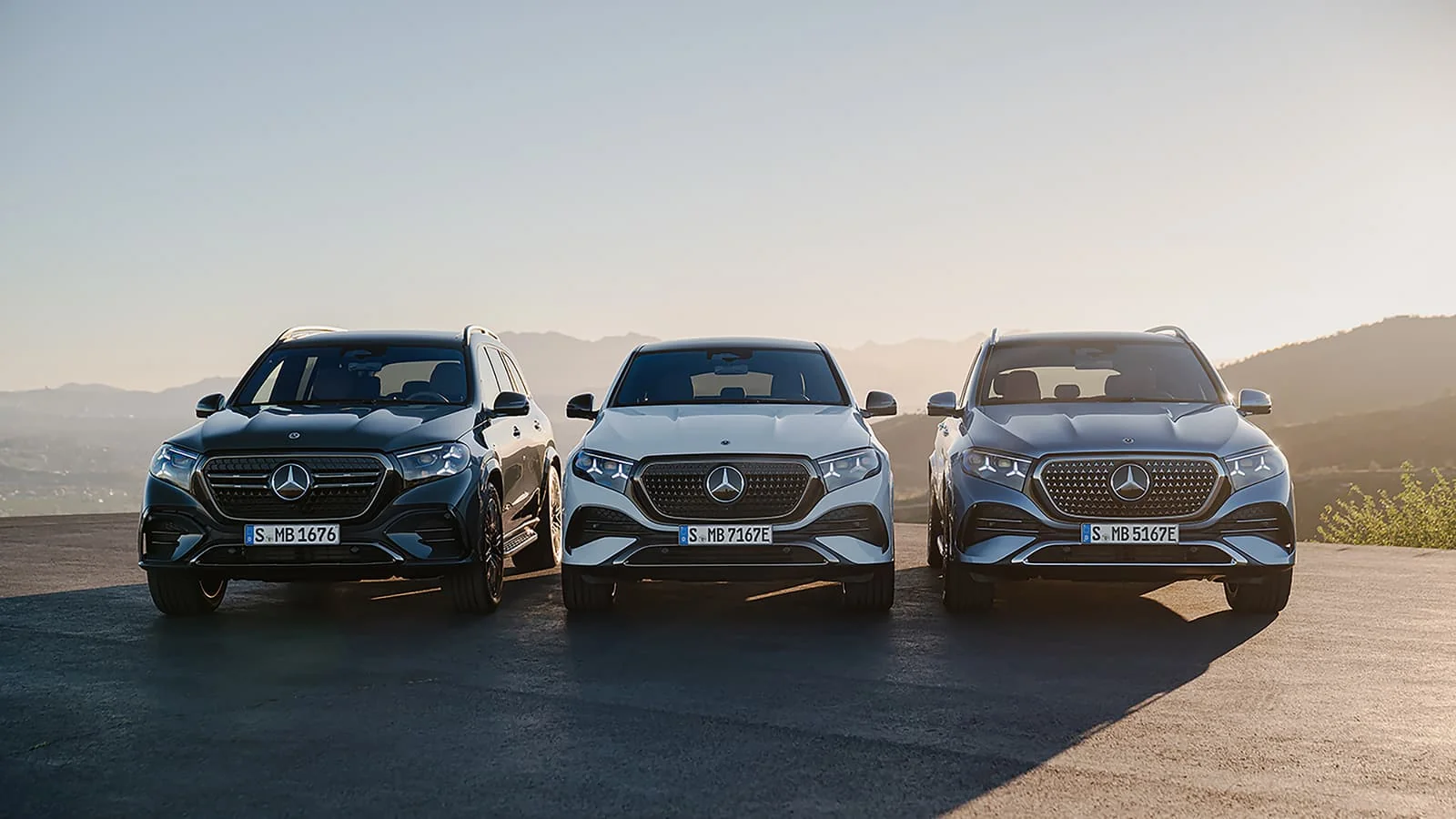
The German automotive giant Mercedes-Benz is considering strict austerity measures to maintain its financial stability, Zamin.uz reported.
Company management is planning to review the working conditions of nearly 90,000 employees in Germany. These changes are expected to affect not only salaries but also the duration of working hours.
According to Automobilwoche, Mercedes-Benz is considering delaying the payment of agreed-upon bonuses under the collective agreement. These payments, which make up about 18 percent of employees' monthly salaries, were originally scheduled to be paid in July of this year but may now be postponed until next year.
Notably, this decision was made without consulting the works council. Working hours will increase, while salaries will remain unchanged.
Internal discussions suggest proposing an extension of the standard workweek from the current 35 hours to up to 40 hours.
In this case, employees' hourly wages would remain unchanged. If this scenario is implemented, each employee would effectively work an additional 260 hours per year for free.
This is expected to cause serious dissatisfaction among staff. The head of Mercedes-Benz production has strongly opposed these measures.
He emphasized that such austerity would not improve the company's competitiveness. On the contrary, for the brand's sustainable development, it is necessary to support innovation, attractive models, and skilled specialists—not to burden employees with extra workload.
Such drastic situations in the European automotive industry are not limited to Mercedes-Benz alone. Earlier, reports emerged that the Volkswagen Group might close four of its plants in Germany and lay off nearly 100,000 workers.
This indicates that traditional automakers in the region are under serious pressure. The reasons for the crisis
According to experts, several factors are affecting the financial performance of European brands.
First, high import tariffs and trade barriers are increasing company costs. Second, demand for electric vehicles is proving much lower than anticipated. Third, a sharp decline in sales in China—a market considered strategically important for the company—is causing major concern. The figures also confirm the seriousness of the situation.
By the end of 2025, the operating profit of Mercedes-Benz Cars division fell from 8.7 billion euros to 4.8 billion euros. The group's total profit declined from 13.7 billion to 8.2 billion euros.
This has forced management to take decisive steps to optimize costs. For the Uzbek market, these developments are also significant, as changes in the global strategy of premium brands like Mercedes-Benz can directly affect the regional market.
If the company revises its model lineup, the types of vehicles supplied to Uzbekistan could change. Additionally, adjustments in pricing policy may be expected.
Therefore, car enthusiasts and sellers in the country are advised to monitor international market developments.
