


China Grants Commercial Approval for Brain-Computer Implant
The Chinese state has initiated a new and historic phase in the development of modern technologies in the medical field. This was reported by Zamin.uz.
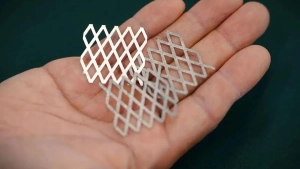
The country's Medical Products Administration has for the first time authorized the commercial sale of a special implant device that connects the brain and computer. This achievement belongs to a new technological company called "Neuracle Technology," whose innovative device was created to help patients who have partially lost mobility due to spinal cord injury.
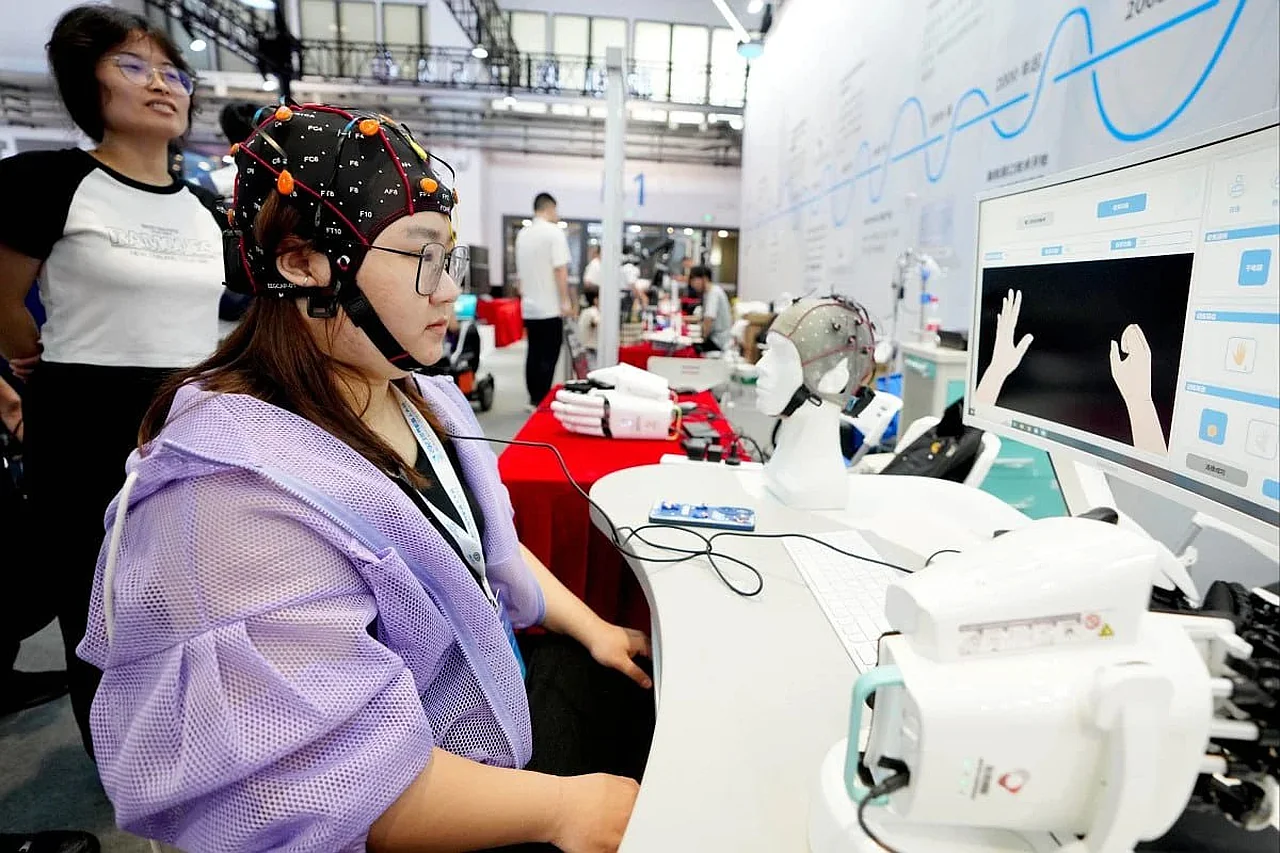
This decision has made China one of the leading powers worldwide in the field of neurotechnology, as the state places great importance on developing advanced medical communication systems. The implant is surgically placed near or outside the brain and operates by processing neural signals.
The system converts the brain's electrical activity into commands understandable by a computer, allowing patients to control artificial arms and legs using only their thoughts. Company representatives emphasize that the device has already been successfully tested on seventeen patients and has helped restore their grasping ability.
Unlike other types of systems, this implant is placed outside the brain's dura mater. This reduces the risk of surgery and is considered a safer solution for people with limited mobility.
The Chinese government has declared brain-computer interface technology as one of six key strategic directions. Regulatory processes have been simplified and clear financial support provided to accelerate market entry.
This active policy has caused a sharp increase in the value of local companies. Although global interest in this field is growing, competition remains very intense.
For example, American companies like "Neuralink," founded by billionaire Elon Musk, are still only at the clinical trial stage. This gives Chinese developers a time advantage in delivering these life-changing medical devices to the public.
In the future, this technology is expected to become widespread among the general population.