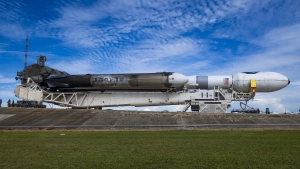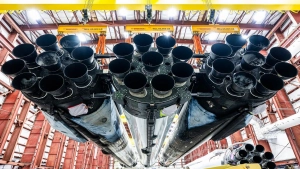



SpaceX has taken a new step in preparing its rockets for orbital flights
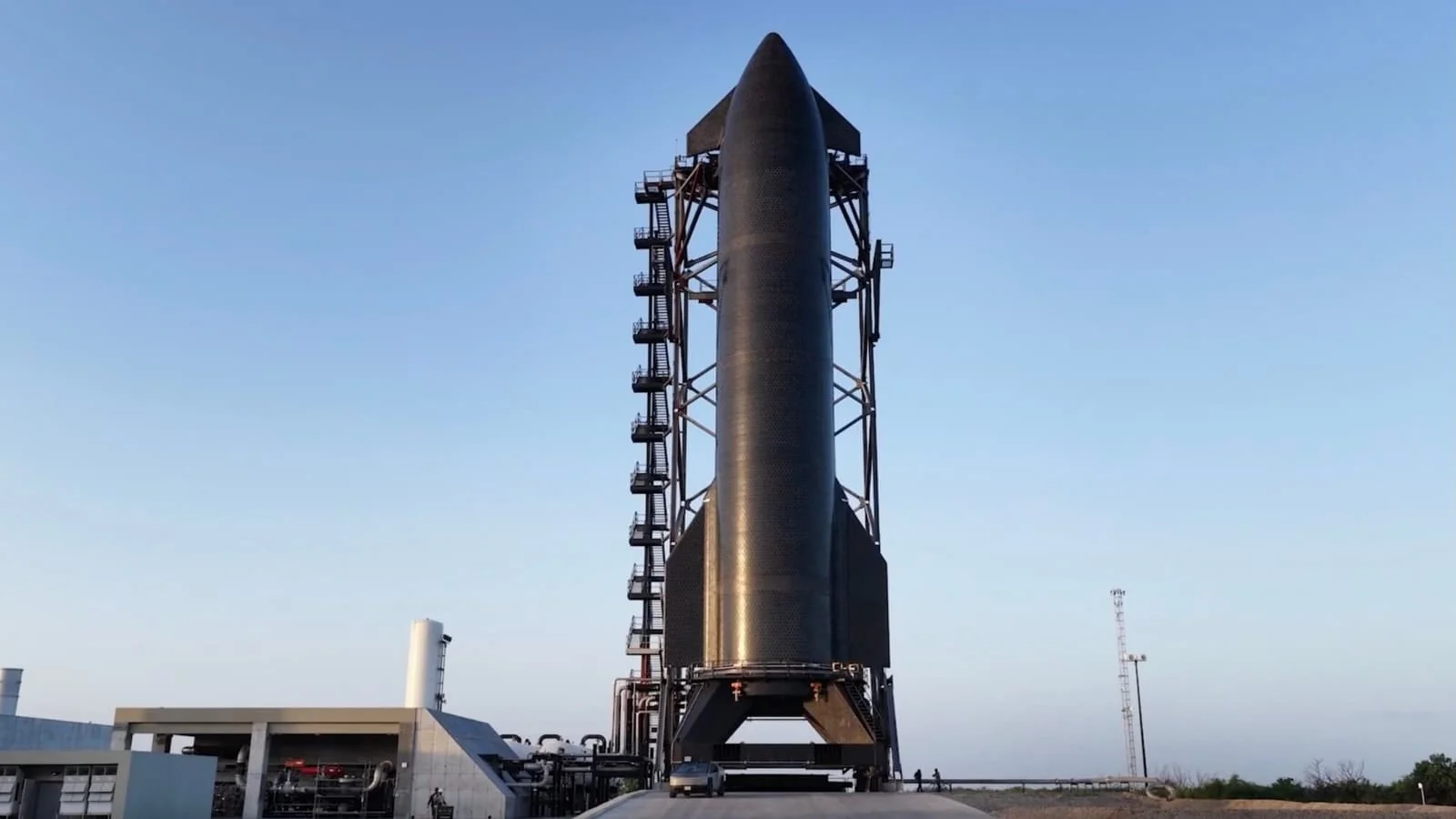
Elon Musk-founded SpaceX has reached a key milestone in preparing its Starship system—the largest and most powerful rocket ever built—for full orbital flights, Zamin.uz reported.
The U.S. Federal Aviation Administration has released for public review the environmental assessment required to expand Starship operations. This official document outlines procedures for the vehicle’s return from orbit and landings at various points on Earth.
For the first time, the licensing project formally considers the return of the Starship vehicle to Earth after a full orbital flight. Previously conducted tests, including flights that caused multiple mishaps, did not reach orbit.
Going forward, SpaceX is expected to conduct launches and recoveries not only from its Texas site but also from the Kennedy Space Center in Florida. The document evaluates several methods for recovering and returning the vehicle.
If recovery using the specialized tower in Texas is not feasible, the vehicle would be directed to a designated area in the northern part of the Pacific Ocean. Plans also include expanding existing landing zones near the coast of Chile and in the central Pacific.
All these measures are designed for the period through 2030 with safety as a priority. Industry experts assessed potential environmental impacts using the most stringent methodologies.
For each zone, scenarios involving atmospheric breakup, controlled water impact, and possible debris dispersion were analyzed in detail. Studies show that, if the specified precautions are implemented, no significant harm would be caused to nature or the environment.
To protect marine life, special protection zones have been proposed, requiring landing sites to be located at least 130 kilometers from the nearest coastline.
Additionally, pre-flight visual monitoring of landing zones using aircraft and drones is planned, along with speed restrictions for surveillance vessels if marine life is detected and ongoing monitoring of water clarity. Experts believe the likelihood of vehicle debris directly striking animals is very low, and noise impacts would not have catastrophic effects on ecosystems.
At the same time, Starship launches will affect air traffic. During landings in Texas, more than 90 high-altitude air routes in the western part of the country could be temporarily closed.
At peak times, this restriction is expected to impact hundreds of commercial flight routes per hour. Nevertheless, the project is certain to open a new era in humanity’s quest to explore space.