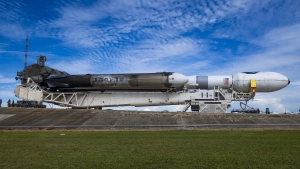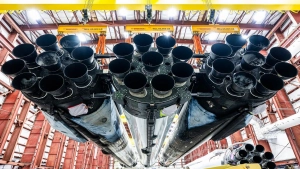



SpaceX may test the Starship system in May
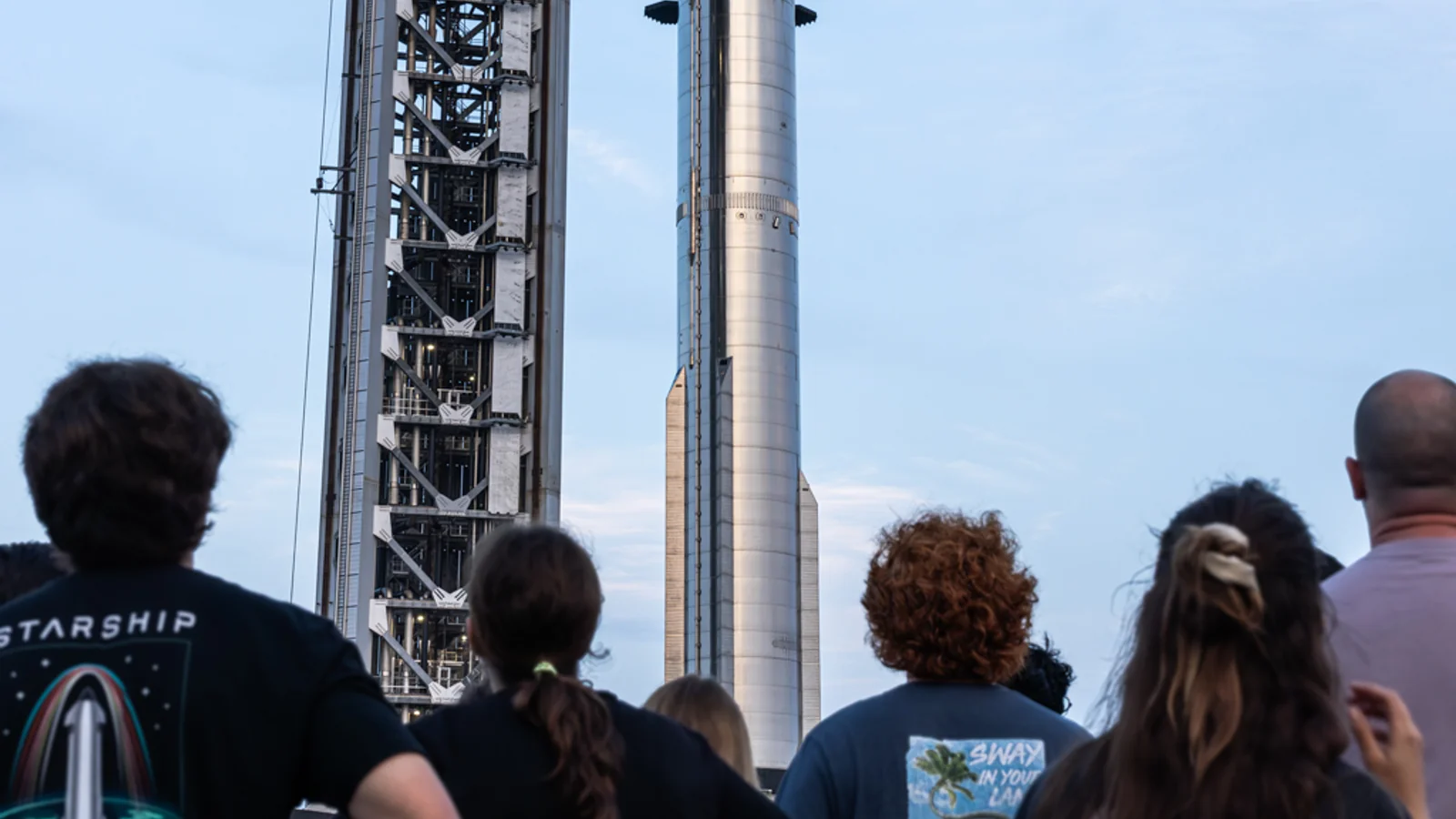
SpaceX has released official information regarding the second test flight of its Starship spacecraft and Super Heavy heavy-lift launch vehicle system, as reported by Zamin.uz.
According to the schedule, this important event will take place on the evening of May 22. The launch window opens at 3:30 a.m. Tashkent time and will last approximately one and a half hours.
Current weather conditions indicate a 65% chance of favorable conditions for a successful launch. The company has also arranged for the historic process to be streamed live worldwide.
This flight will differ significantly from previous ones, as it will feature a fully upgraded Starship system and third-generation Raptor engines undergoing their first test. The tests will begin from the newly constructed launch pad at the Starbase spaceport.
The primary objective of the mission is to evaluate how the spacecraft’s newly designed modifications for multiple reuse perform in practice. After completing its task, the Super Heavy booster is expected to splash down in the Gulf of Mexico.
However, due to significant structural changes in the spacecraft, it will not be attempted to catch it using the mechanical arms on the launch tower. The upper stage of the Starship will carry copies of twenty third-generation Starlink satellites into orbit, along with two special test devices.
These devices are intended to record video of the spacecraft’s thermal protection system during flight to analyze its condition. SpaceX engineers are conducting an interesting experiment to study the vehicle’s durability: they have painted a portion of the heat shield tiles white and even completely removed one tile.
This will help determine how the spacecraft withstands loads in the event of hull damage. Additionally, complex maneuvers are planned to test the Raptor engine’s reignition capability and to determine the structural limits of the spacecraft.
According to Elon Musk, the new version of the Starship system differs from previous models in nearly every detail. This test is expected to mark a new phase in the development of the largest and most powerful rocket in human history.
The process represents an important step in testing the spacecraft and paving the way for future missions to other celestial bodies.