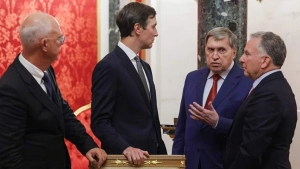


Companies met with the Pentagon to refill US military stockpiles faster
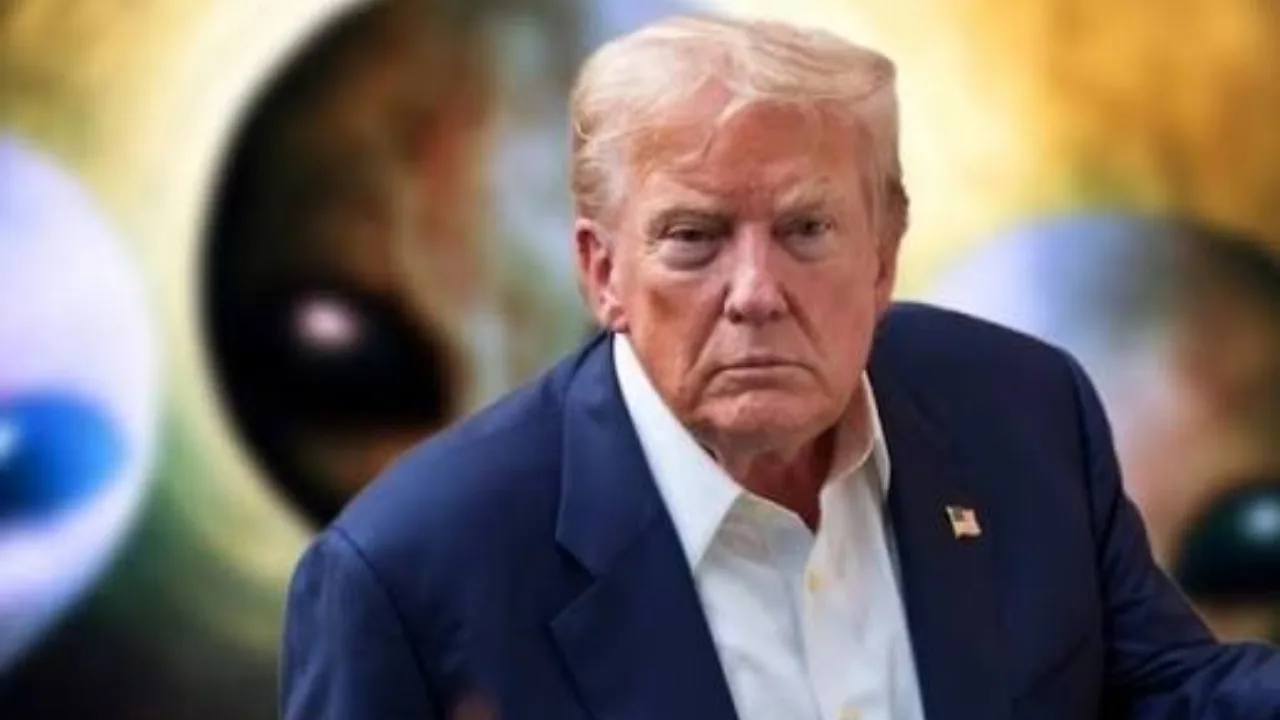
U.S. President Donald Trump is reportedly concerned about the declining stockpiles of missiles and ammunition, according to Zamin.uz.
According to the WSJ, a meeting is being held at the White House involving Pentagon leadership and representatives of major defense companies such as Lockheed Martin, RTX, and Boeing. Discussions focus on accelerating the replenishment of U.S. military stockpiles, streamlining weapons production, and expanding defense industry capabilities.
The Pentagon has reached preliminary agreements to increase production of Patriot and Tomahawk missiles. However, funding for these programs has not yet received final approval from Congress.
This situation is viewed as a critical step toward maintaining U.S. defense strength and enhancing self-reliance. The depletion of stockpiles raises clear concerns amid ongoing global political and military realignments.
For example, the Patriot system plays a key role in air defense, while the Tomahawk missile is vital for precise long-range strikes. Increasing their production speed helps strengthen military readiness.
However, financial resources, political maneuvering in Congress, and budget allocation processes often lead to delays. Therefore, coordination, transparency, and alignment between the government and manufacturing companies are of growing importance.
The goal of these meetings is not only to meet current demands but also to develop a long-term military-innovation strategy. Accelerating the integration of new technologies into supply chains, financing innovative projects, and expanding workforce skills are inseparable components of this effort.
The U.S. defense industry holds a leading position in the global market, but meeting domestic demand fully requires further improvements. Thus, collaboration between the state and private sector, legal frameworks, and financial support together determine success.
This process is not just about weapons production—it is also tied to national security and economic stability. Consequently, the decisions made from these current discussions will shape the future of U.S. military power and economic independence.



![Fransiya Usmonova proposed removing [the name] from the sanctions list](/uploads/mini/web-300/04/e8d7de74763e0760c29bdbfd3d91b77a.webp)