


Completely replaces the battery of the Slate electric pickup
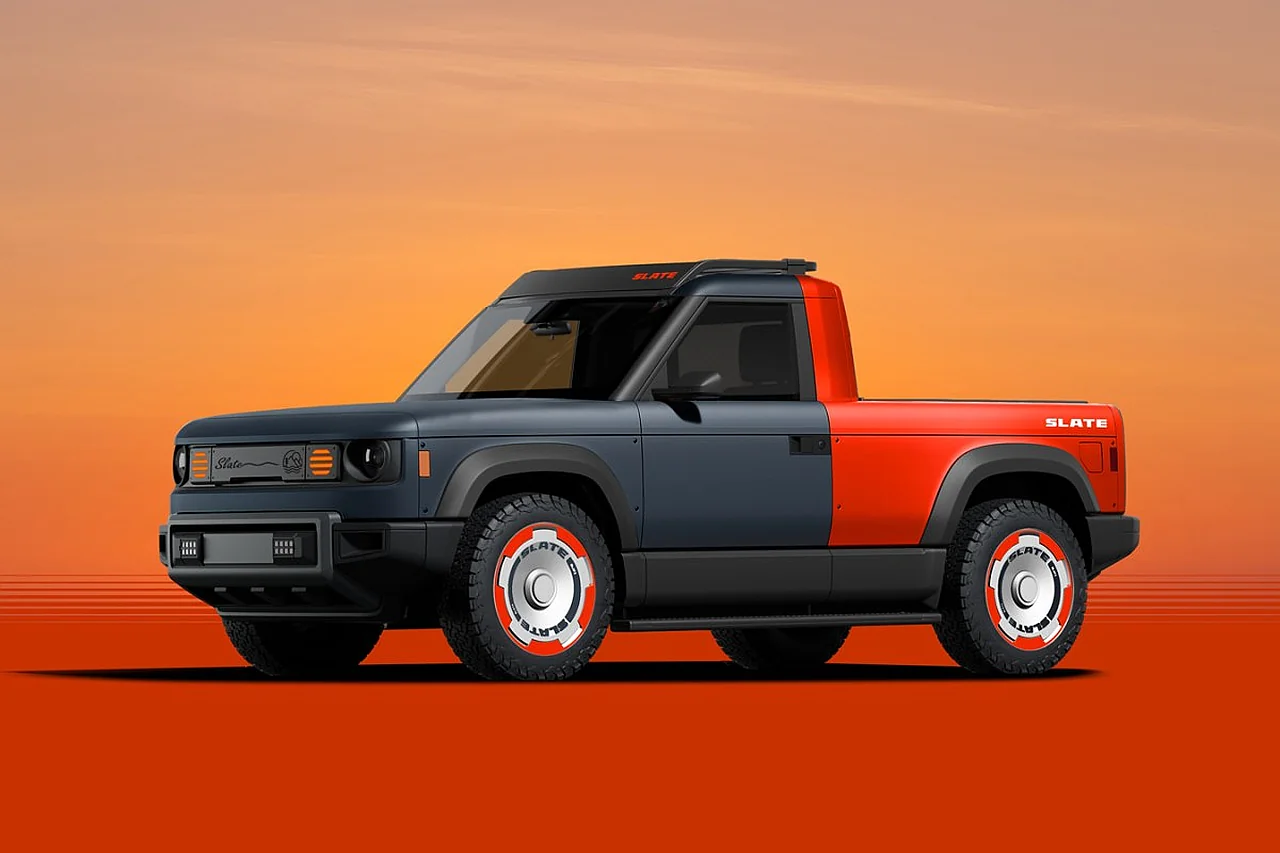
The US startup Slate has made an unexpected change to its project for an affordable and compact electric pickup. Zamin.uz reported on this.
In order to keep the vehicle's price at $24,950, the company decided to completely update its battery technology. This decision is linked not only to technical specifications but also to economic trends in the global electric vehicle market.
Techcrunch.com reports that Slate initially planned to use nickel-manganese-cobalt elements in its models.
This chemical composition is characterized by high energy density and allows for a long range on a single charge. However, it became clear that the extremely high prices of nickel and cobalt would negatively impact the cost of the final product.
As a result, the company preferred to switch to lithium-iron-phosphate technology. In terms of the advantages of lithium-iron-phosphate technology and market shifts, lithium-iron-phosphate batteries are approximately 40 percent cheaper than nickel-manganese-cobalt alternatives.
The main reason for this is the use of common and inexpensive iron instead of precious metals in its composition. Although lithium-iron-phosphate elements lag slightly behind in energy density, modern technologies have succeeded in significantly reducing this difference.
Slate managed to increase the standard battery range from 150 miles to 205 miles. According to Ixb.com, Slate is collaborating with China's Gotion company within this project.
Notably, the battery cells are produced at a plant in the US state of Illinois. This allows the company to take advantage of tax incentives under US law and reduce logistics costs.
As a new industry standard, major auto giants such as Tesla, Ford, GM, and Rivian have also begun using lithium-iron-phosphate batteries for their popular models. This trend is contributing to the decrease in prices and the mass adoption of electric vehicles in the market.
Slate is following this same path by implementing cell-to-pack technology. Considering that cars equipped with lithium-iron-phosphate battery technology are widespread in the Uzbekistan market through brands like BYD, it can be seen that the path chosen by Slate is the most effective solution on a global scale.
The combination of an affordable price and sufficient range remains the key factor in the competition between electric vehicles and traditional internal combustion engine cars. In conclusion, the change in Slate's strategy represents a pragmatic approach in the electric vehicle industry.
For consumers, a reliable technology that is affordable and meets daily needs is becoming more important than an extremely expensive long-range battery.