



RAMageddon: Micron Wins in Memory Chip Shortage
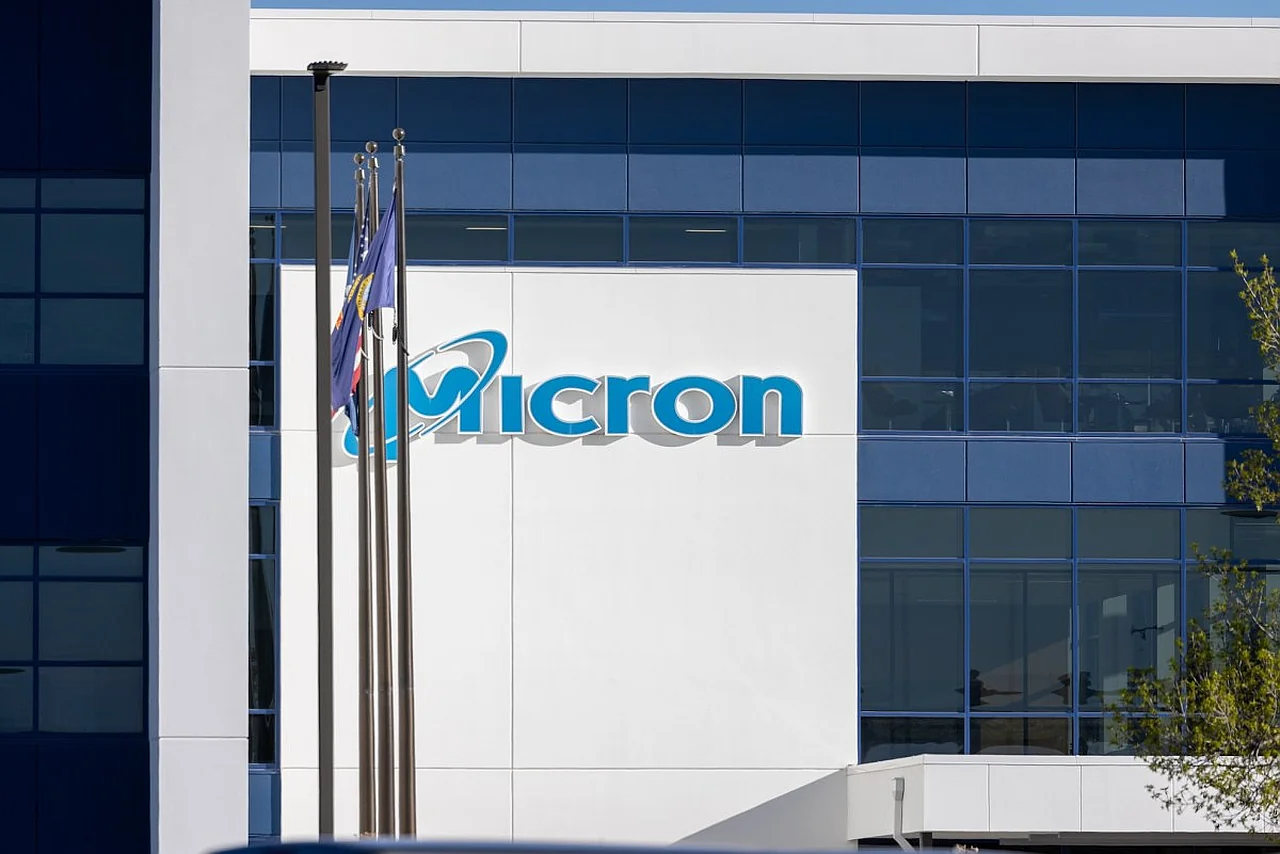
Uncharted growth in the artificial intelligence sector has not only spurred a wave of new startups but also exposed a critical shortage of memory chips in the global semiconductor market, as reported by Zamin.uz.
This bottleneck, considered vital for power-hungry AI models, is expected to persist through 2027, positioning Micron Technology—the largest U.S. manufacturer of memory chips—as the undisputed market leader.
According to Techcrunch.com, the tech world is now re-entering an era dubbed "RAMageddon."
Surging demand and constrained supply have driven prices upward, directly affecting everyday consumers. For instance, Apple CEO Tim Cook recently warned that product prices would rise due to these pressures.
Yet for Micron, this crisis has become a golden opportunity. The company’s financial performance has far exceeded analysts’ expectations.
Where shares traded around $83 at the start of 2024, they have now surged past $1,048, pushing the company’s market capitalization to an astonishing $1.2 trillion.
This valuation places Micron among the world’s most valuable companies. In its Q3 earnings report, the firm revealed revenue had quadrupled year-over-year to $41.45 billion.
Even more striking is net profit: from $1.88 billion last year, Micron has climbed to $28.2 billion in the current fiscal year.
Such explosive growth has bolstered investor confidence, driving share prices up another 13%. Strategic partnerships and forward-looking initiatives show that the Idaho-based giant is not only expanding production but also deepening its investment footprint.
This week, Micron signed a major supply agreement with AI lab Anthropic for memory and data storage chips, and disclosed its participation as an investor in Anthropic’s latest funding round.
Leadership remains optimistic about the outlook, forecasting Q4 revenue between $49 and $51 billion.
This signals that demand for AI infrastructure shows no sign of slowing, and memory chip manufacturers are poised to become central drivers of the global economy in the coming years.
For Uzbek consumers, this matters because Micron’s chips are essential components in the smartphones, laptops, and servers we use daily.
Shifts in the global market directly influence local prices, making it worthwhile to monitor the company’s trajectory.