


The world's water resources are on the brink of bankruptcy
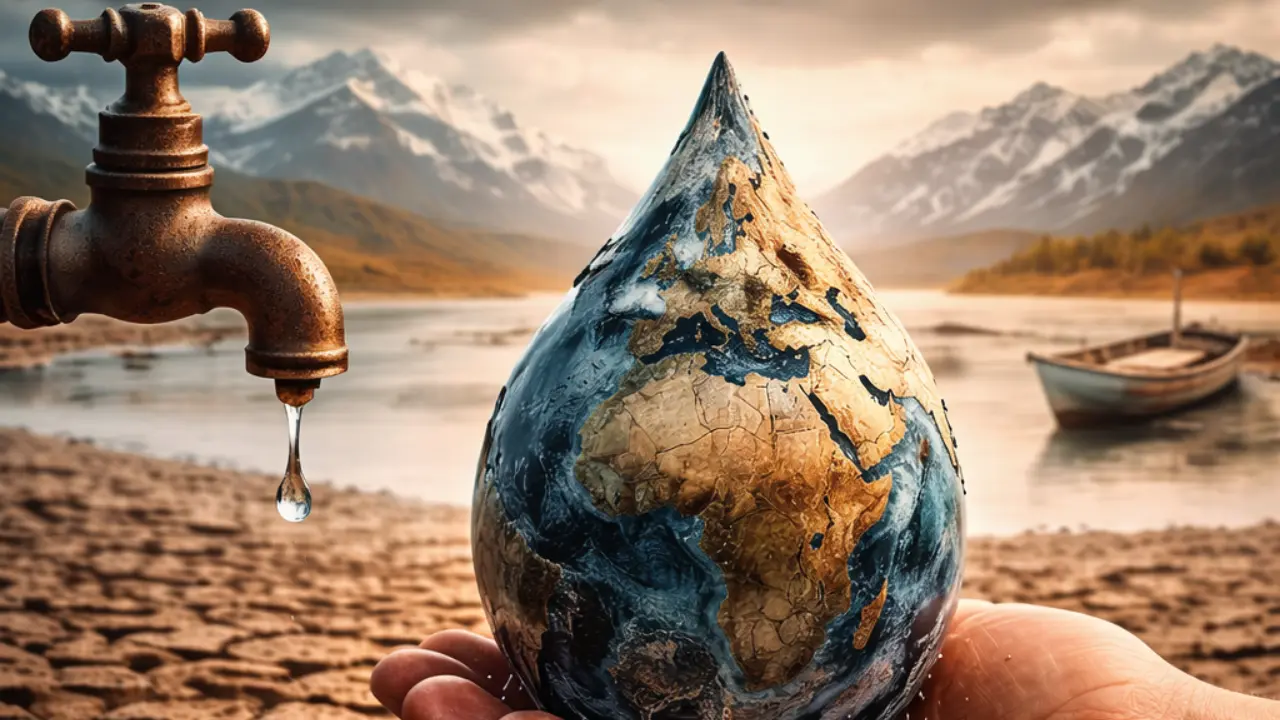
Globally, the reduction of water resources is becoming a serious problem. This was reported by Zamin.uz.
A new report published by the United Nations University Institute for Water, Environment and Health (UNU-INWEH) extensively covers this issue. According to the data, 410 million hectares of wetlands have disappeared over the past 50 years.
The volume of large lakes is decreasing, and some rivers dry up before reaching the sea during certain seasons of the year. The most alarming aspect is that nearly 70 percent of underground water reserves are steadily declining.
Climate change has exacerbated this problem. Since 1970, more than 30 percent of glaciers have melted.
As a result, the main water sources for hundreds of millions of people are shrinking. Overuse of water, pollution, and disruption of ecological balance have brought many water systems to an irreparable state.
According to experts' forecasts, by 2030, several dangerous situations may arise: approximately 2 billion people will lack access to safe drinking water, and 700 million people will be forced to leave their homes due to water scarcity. Globally, the demand for fresh water will exceed available resources by 40 percent.
Water scarcity could also become a serious problem in Uzbekistan. The report states that by 2030, water shortage in the country will reach 7 billion cubic meters, placing Uzbekistan among 33 countries facing water scarcity.
The authors suggest referring to the situation not as a “water crisis” but as “water bankruptcy.” This concept implies that the problem is not temporary and that in some regions water systems have reached a level where they cannot recover.