



The Trump administration did not take the Iranian threat seriously enough.
It has become known that before the strikes against Iran, the prevailing view within the Trump administration was that there would be no significant changes in the global energy market. Zamin.uz reported on this.
The New York Times analysis noted that this perspective reinforced the incorrect notion that "everything is under control." According to sources, there was hope in the White House that oil prices would rise only briefly before falling again.
There was also an assumption that Iran, as in previous escalations, would deliver only a limited response. These views led to an insufficiently deep assessment of threats to energy supplies and infrastructure.
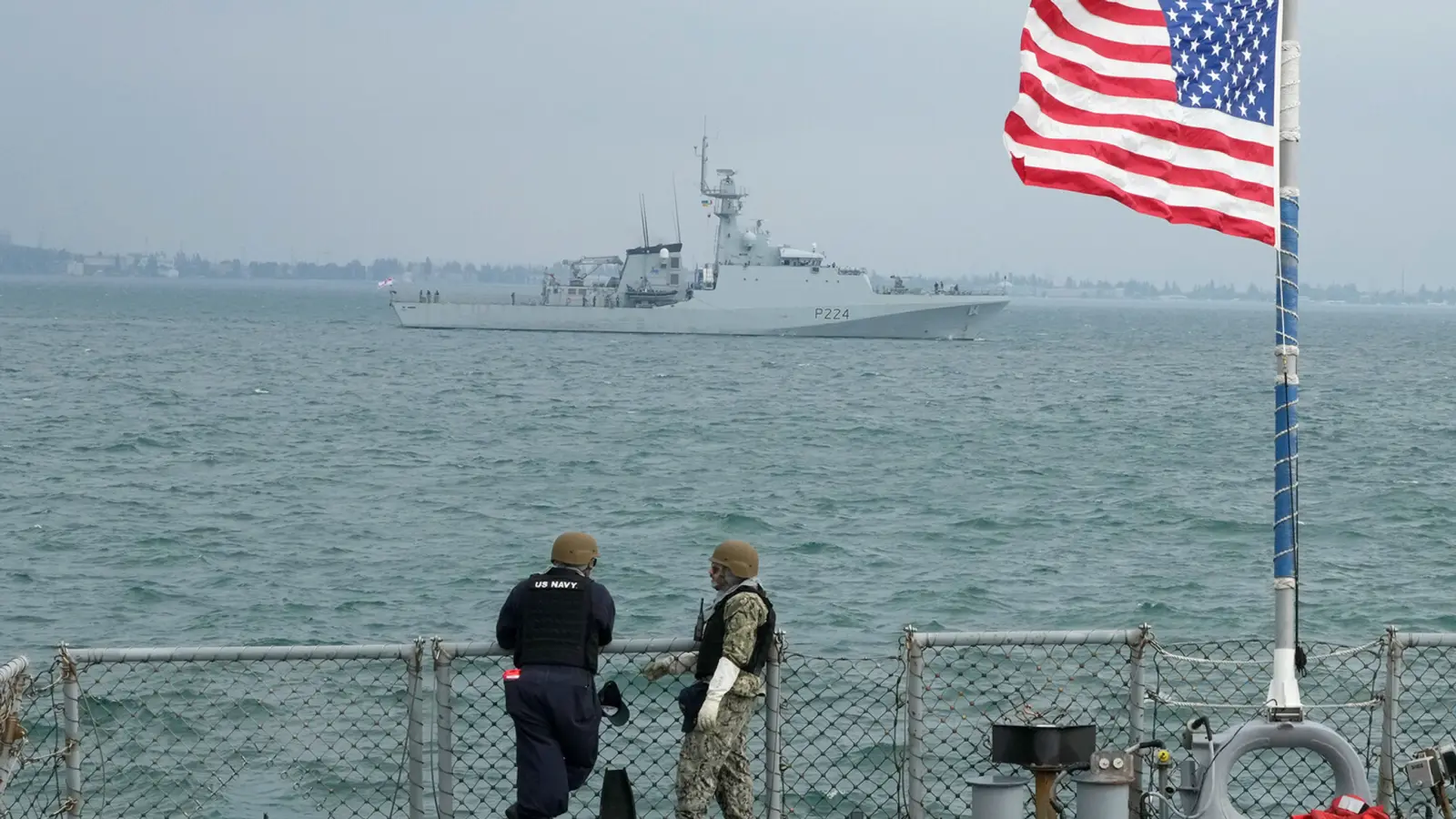
The greatest concern is directed at sea routes. Warnings in analyses that Iran could disrupt ship movements were not taken seriously enough.
Especially, the Strait of Hormuz is of critical importance since a large portion of global oil and fuel passes through it. Reuters and other sources state that approximately 20 percent of the global oil flow moves through this strait.
Therefore, any obstruction arising on this route will cause significant damage to prices and supply chains. Some officials in the White House believed that Iran would not deliberately start a crisis causing major harm to its own economy.
However, according to observers, an important aspect was not sufficiently considered at this point: Tehran could use strategic energy routes as a tool of pressure. This will lead to significant changes not only in the oil market but also in diesel and logistics markets.
According to Reuters data, changes in diesel supply and prices could increase the risk of a global economic slowdown. Thus, decisions were made primarily based on short-term political and military logic.
However, as the situation changes, there is a possibility that the problem could turn from a minor clash into a major economic crisis. In the meantime, Reuters noted that costs for transporting oil and gas have risen sharply, with tanker rates reaching record levels on some routes.
In conclusion, the main concern of analysts is that a misassessment of risks in the energy sector could alter the dynamics of the regional conflict and further intensify its impact on the global economy. Every signal around the Strait of Hormuz is not just a political event but an important factor affecting gasoline, logistics, prices, and even the wallets of ordinary citizens.