Armed conflicts in the Middle East forced Arab states to adopt a new strategy
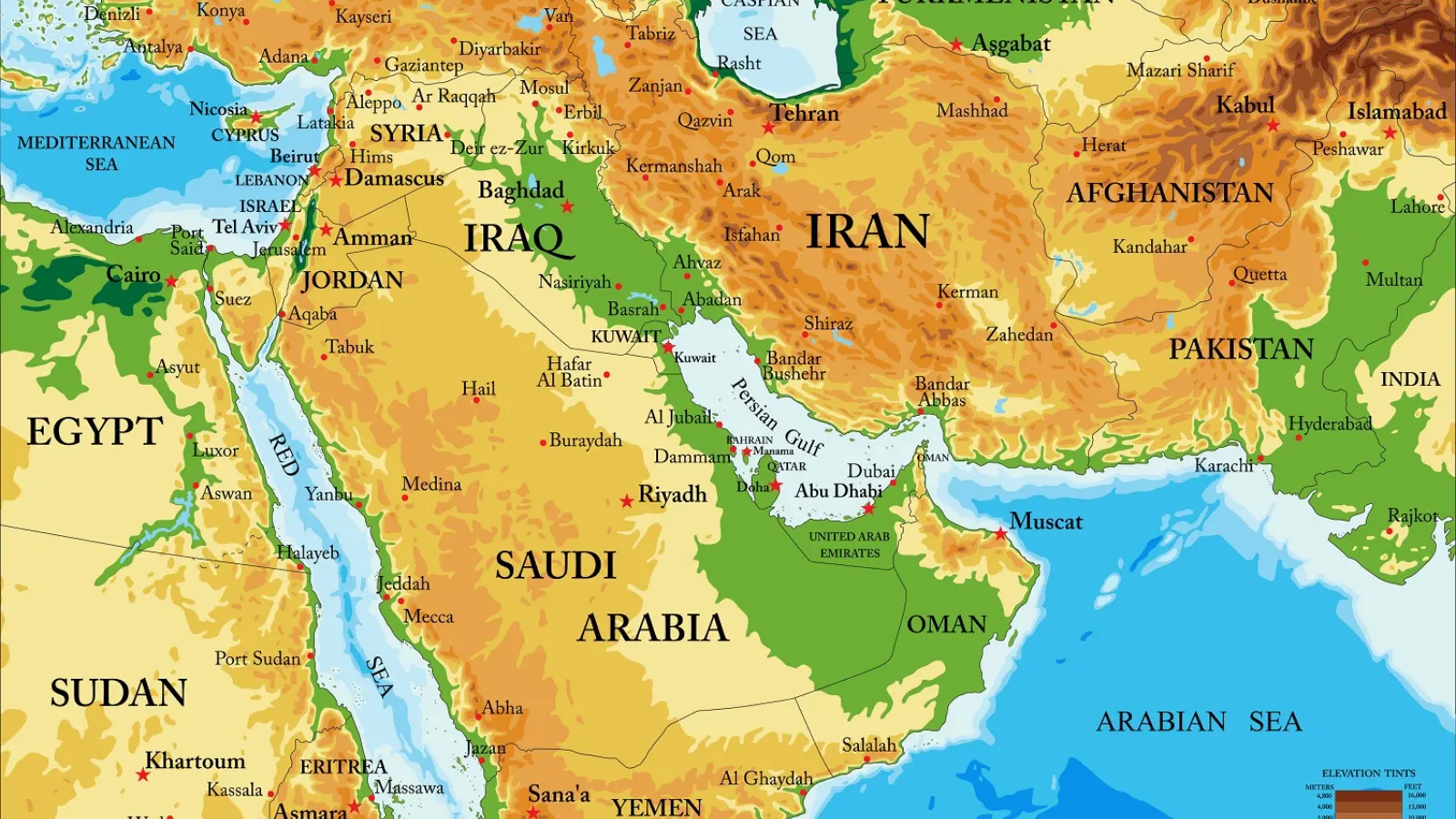
Armed conflicts in the Middle East are expanding on a regional scale, drawing in major states that have previously maintained peace. Zamin.uz reports this.
Although countries in the Persian Gulf region have previously been cautious about direct war with Iran, they now face the necessity of taking decisive measures against Tehran. The escalation of the situation has tested the patience of the Arab world, forcing them to adopt new strategic decisions.
Key US allies such as Saudi Arabia and the United Arab Emirates are fundamentally changing their positions following Iranian provocations. Strikes on Tehran's energy centers and key facilities in the Red Sea have ended the Arab states' policy of caution.
Although Saudi Arabia previously stated it would limit the use of its airspace, it has now permitted US military forces to operate from King Fahd Air Base. The decision by Crown Prince Mohammed bin Salman is of significant importance, indicating a move away from restraint and preparation to join combat operations.
The United Arab Emirates, meanwhile, is intensifying financial pressure. With Iranian hospitals and clubs in Dubai closed, the freezing of billions of dollars worth of Tehran's assets has been announced.
These measures aim to isolate Iran from the global trade system. Additionally, by expressing intentions to levy fees on ships passing through the Strait of Hormuz, Iran poses a significant threat to the region's economy.
Arab leaders are holding regular negotiations with Donald Trump, calling for the elimination of Iran's military capabilities. However, the insufficiency of diplomatic protection tools was demonstrated by attacks in Qatar, Kuwait, and Saudi Arabia.
Now, the development of the situation depends on military intervention. Whether the direct entry of Arab states into war will bring an end to the conflict or further complicate it remains an open question.
The implementation of Iran's plan to collect tolls for the strait could have a serious impact on the global economy.

![Fransiya Usmonova proposed removing [the name] from the sanctions list](/uploads/mini/web-300/04/e8d7de74763e0760c29bdbfd3d91b77a.webp)