U.S. Supreme Court Blocks Trump's Immigration Order
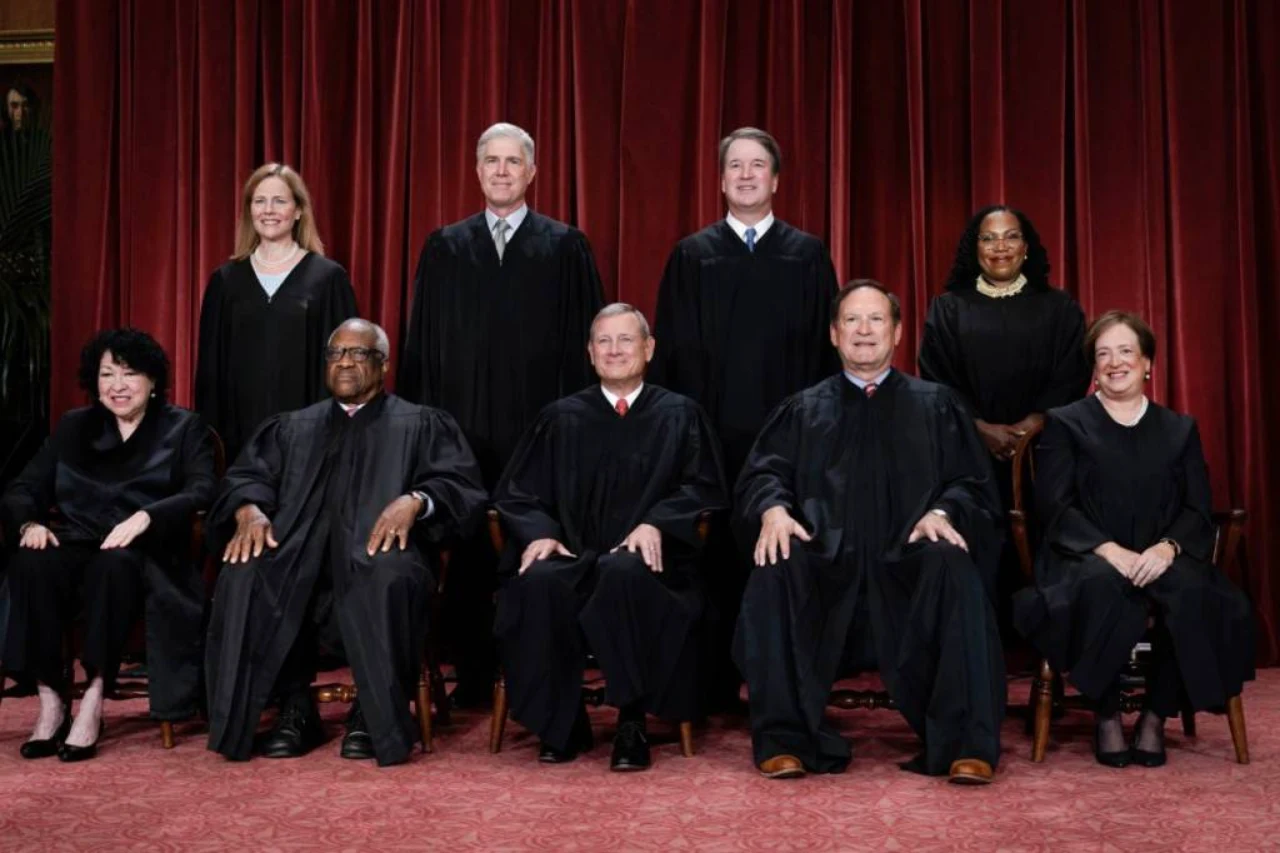
The U.S. Supreme Court has ruled that an executive order issued by President Donald Trump, which sought to deny automatic citizenship to certain children born on U.S. soil, is unconstitutional. This was reported by Zamin.uz.
According to the ruling, the right to citizenship by birthplace is guaranteed by the 14th Amendment to the U.S. Constitution and cannot be altered by a presidential order. The justices upheld the existing practice by a vote of 6–3 on this significant issue.
President Trump signed the executive order shortly after returning to the White House in January 2025. The directive stated that children born in the United States would not automatically receive citizenship if their mother was residing in the country illegally or temporarily, and their father was neither a U.S. citizen nor a lawful permanent resident.
In other words, if neither parent was a U.S. citizen or a green card holder, a child born on American soil would not be granted citizenship by the government. However, the announcement of this policy prompted multiple states and civil rights advocates to file lawsuits challenging it.
A majority of Supreme Court justices emphasized that the executive order contradicts fundamental law. Under constitutional principles, all persons born in the United States and subject to its jurisdiction are automatically entitled to citizenship.
This principle has remained unchanged since the late 19th century. Chief Justice John Roberts, writing for the majority, reaffirmed the historical legal interpretation established in 1898.
As he noted, except for a narrow category of cases—such as children of diplomats—every child born in the country acquires full citizenship rights at birth. Thus, one of the most controversial and contentious actions of the Trump administration has suffered a legal defeat.
Lower courts had previously blocked the implementation of the order on a temporary basis. Now, with the Supreme Court’s final ruling, the practice of granting citizenship based on place of birth remains unchanged.
This decision reaffirms the enduring strength of the birthright citizenship principle in the United States—a doctrine that holds that anyone born on U.S. soil is a citizen, regardless of their parents’ immigration status or nationality.



![Fransiya Usmonova proposed removing [the name] from the sanctions list](/uploads/mini/web-300/04/e8d7de74763e0760c29bdbfd3d91b77a.webp)