The process of fundamentally renewing the state governance system has begun in Kazakhstan
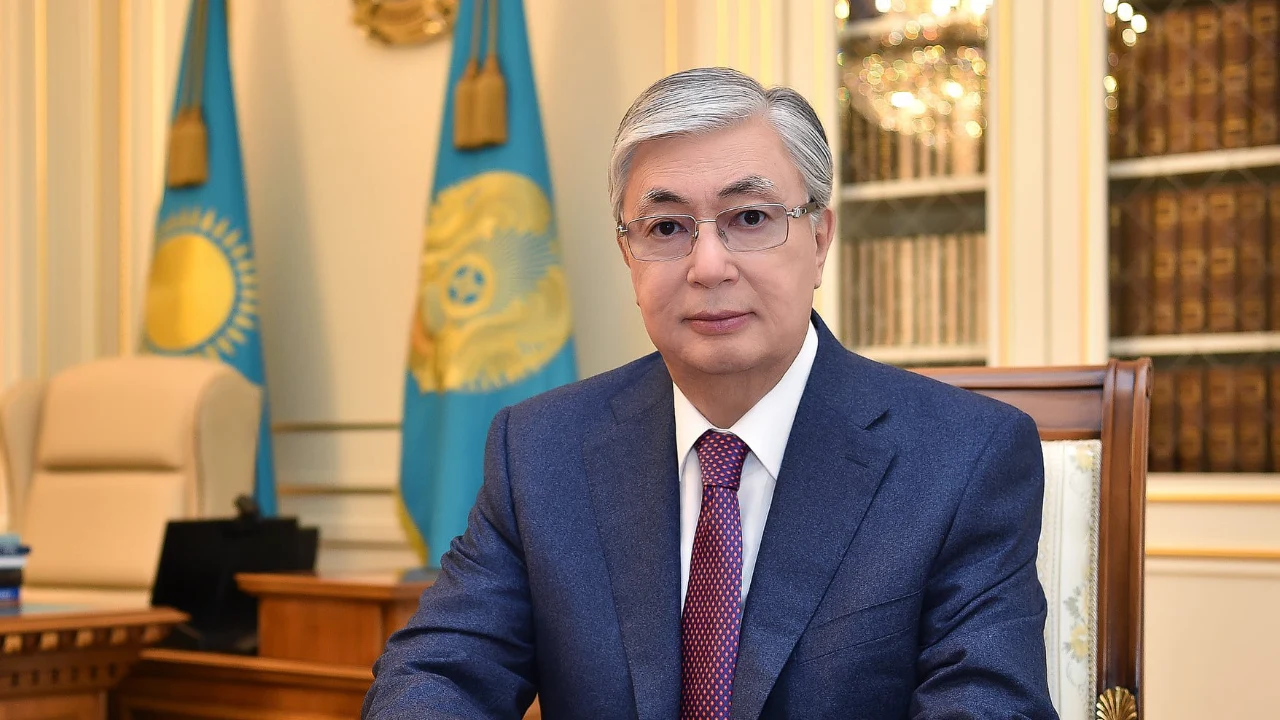
The Government of Kazakhstan has launched a comprehensive process to fundamentally reform the state governance system starting from July of this year, as reported by Zamin.uz.
President Kassym-Jomart Tokayev addressed the joint session of the Parliament chambers, describing these changes as a major renovation of the state structure. While the updated Constitution preserves the presidential form of government, it redefines the composition of Parliament, government accountability, and the interrelations among state institutions, taking them to a new level.
According to the head of state, national independence and sovereignty remain the central focus of ongoing reforms. The primary goals of these reforms are to enhance governance efficiency, reduce excessive paperwork and bureaucracy, and strengthen the accountability of state institutions to the people.
The President announced that the new political system will be based on a strong presidency, an influential Parliament, and an accountable government. Accordingly, Kazakhstan will maintain its presidential system of state governance.
The President will continue to serve as the guarantor of the country's independence, territorial integrity, and national unity, and will fulfill the duties of the Head of State and Chairman of the Security Council. Additionally, the head of state will determine the main directions of domestic and foreign policy and appoint the heads of law enforcement agencies.
According to the official Astana, these changes will not weaken the presidential institution but will instead help distribute powers among state bodies more clearly and precisely. One of the key directions of political reforms is the transition from a bicameral to a unicameral Parliament.
Thus, the Senate and Majlis will be replaced by a single legislative body — the Parliament — consisting of 145 deputies elected on the basis of party lists.
In the President's view, the Parliament must adopt laws promptly and of high quality, and exercise effective oversight over the executive branch. New parliamentary elections are scheduled for August 2026.
Furthermore, the position of Vice-President is being reintroduced in Kazakhstan's political system. This post was abolished in the country in 1996.
Under the new arrangement, the Vice-President will be appointed directly by the head of state and will be entrusted with a range of important state responsibilities. These reforms are seen as an important step toward advancing democratic processes and aligning state governance with contemporary demands.



![Fransiya Usmonova proposed removing [the name] from the sanctions list](/uploads/mini/web-300/04/e8d7de74763e0760c29bdbfd3d91b77a.webp)