


Hundreds of people died as a result of the glacier collapse in Nepal
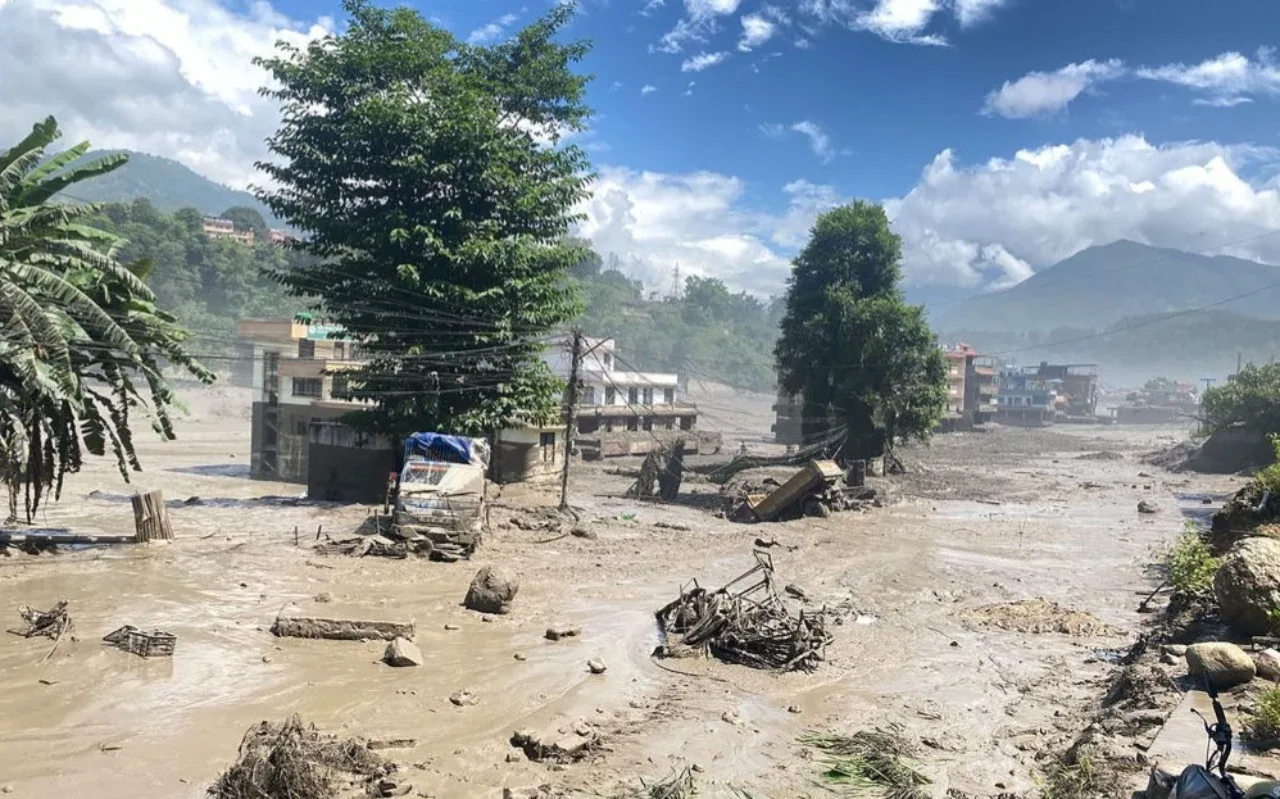
A major glacial landslide in the mountainous northern regions of Nepal, followed by devastating floods, has become one of the most severe natural disasters in the region's history. One.uz reports.
According to the latest information, the number of fatalities has reached 675, while nearly 3,000 citizens are considered missing. The natural disaster has completely destroyed not only populated areas and villages but also internationally significant transport routes and major infrastructure facilities.
Causes of the glacial collapse and flooding The natural disaster began with the shift and downward collapse of a massive glacial mass in the Langtang-Lirung mountain range. Millions of tons of ice, rock, and mud blocked the bed of the Lhokhola River, forming a huge natural dam.
As a result of the sharp increase in water pressure, this dam burst, unleashing an unprecedented destructive wave along the valley. This powerful current destroyed all structures in its path, including strategic bridges connecting Kathmandu and Tibet, highways, and several major power plants.
Currently, communication and transport links in the area have been completely severed, and rescue operations are being conducted under extremely difficult conditions. Foreign tourists and search efforts The Ministry of Tourism of Nepal provided official information regarding foreign citizens and pilgrims in the disaster zone.
As a result of the rapid rescue measures, 621 foreign tourists were relocated from dangerous areas to safe locations. However, the situation remains hazardous, as it has not been possible to establish contact with at least 320 foreign guests.
At present, special units and emergency service personnel are continuing operations to search for the missing and assist those trapped, despite the severe weather conditions. Experts warn of the risk of further landslides in the region, which is further slowing down rescue efforts.