


Lexus is working on reducing vibration and noise in its new electric car motor
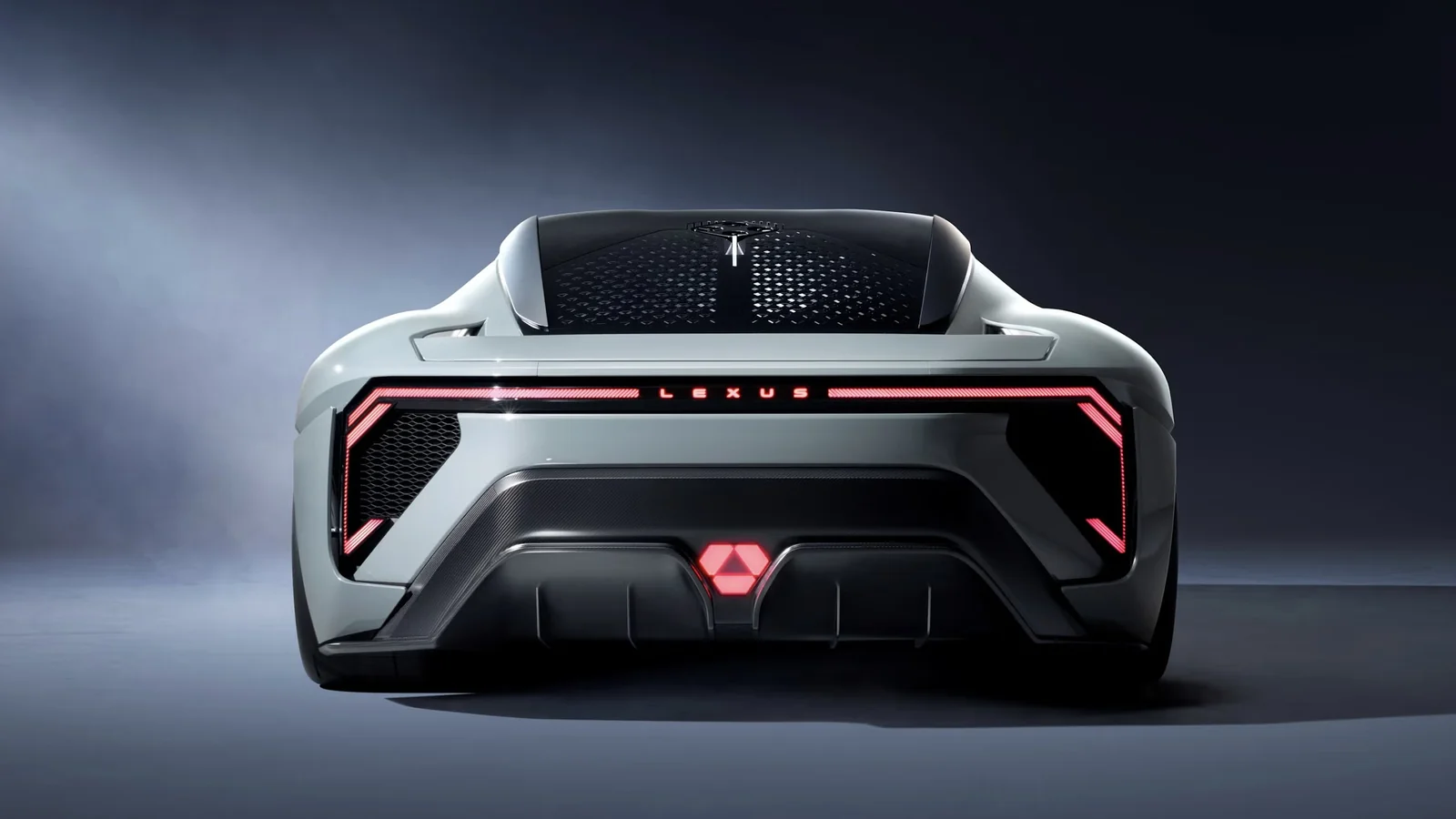
Lexus, the flagship of Japan's automotive industry, is preparing to revolutionize driving culture with its new generation of electric supercars, according to Zamin.uz.
The company's engineers are working intensively on this electric vehicle, expected to be a worthy successor to the legendary LFA model, not only to recreate the engine sound but also to artificially replicate its mechanical vibrations. This development has been widely reported by international publications and industry experts.
According to Lexus representatives, the main goal of this project is not simply to generate noise through dynamics, but to create a sensory connection that helps make the car feel more alive.
This system gives the driver the sensation of controlling a traditional internal combustion engine supercar and ensures an organic connection with the road. As a result, the driver feels a complete unity with the machine.
One of the key technical features of the new supercar is the solid-state batteries being developed in collaboration with Toyota and other Japanese brands. This technology offers significantly higher energy density and faster charging capabilities compared to current lithium-ion batteries.
Considering how crucial the weight-to-power ratio is for sports cars, this solution promises a major breakthrough in the field. The conceptual version of the car was first showcased to the public several years ago.
Since then, engineers have been tirelessly refining the model's dynamic characteristics and control system. Thanks to this new technology, Lexus aims to preserve the silence of its electric motors while being able to transmit exciting vibrations to the driver at the right moments.
This approach offers the possibility of overcoming one of the main drawbacks associated with electric vehicles—their characteristic lifelessness.
It is reported that the series-produced version of the new-generation LFA model is expected to be officially unveiled at the end of this year or the year.
This model will not only fulfill a technological leapf segment for the entire Toyota conglomerate.
It is anticipated that this supercar will enter serious competition in the market with vehicles like the Tesla Roadster and other high-performance electric cars.
Interest in high-end electric vehicles is also growing steadily in the Uzbek automotive market. In this context, Lexus's innovative approach could prove highly appealing to classic car enthusiasts.
After all, many drivers perceive electric vehicles as emotionless, often complaining about the lack of engine vibration and sound. Lexus aims to win over new customers by eliminating this shortcoming.
In conclusion, Lexus does not intend to abandon its sporting heritage in the transition to the electric era. On the contrary, it aims to use modern technology to elevate the traditional driving pleasure to an entirely new level.
Such efforts will ensure that in the future, electric vehicles are not only economical and environmentally clean but also emotionally engaging.