


Nissan to test driverless robotaxi service in Tokyo
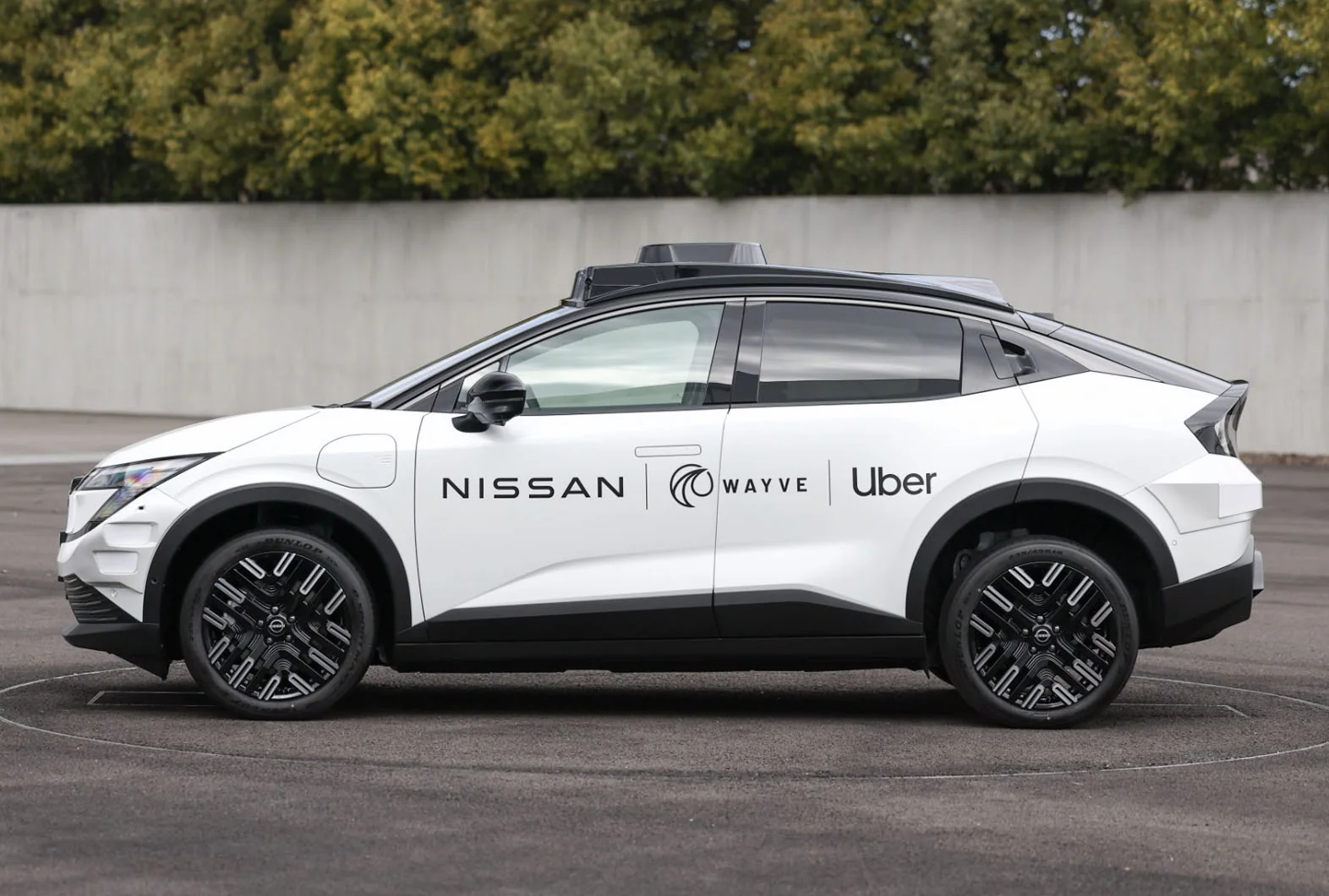
Nissan, considered a leader in the Japanese automotive industry, is planning to conduct trials of its robotaxi service based on the Nissan Leaf electric vehicle on Tokyo streets by the end of this year. Zamin.uz reported this.
This project is expected not only to automate the transportation system but also to usher in a new era of driverless mobility in urban infrastructure. Currently, the company is in the final stage of obtaining the necessary permits from relevant organizations.
The new generation of robotaxis differs fundamentally from conventional electric vehicles in terms of their technical capabilities. Nissan engineers have developed special redundant systems for these vehicles.
This safety technology, similar to that used in the aviation sector, ensures that if an unexpected failure occurs in the main control system, the backup system immediately activates and fully guarantees passenger safety. Nissan Leaf robotaxis are equipped with fourth-level autonomous driving systems.
This means that the vehicle does not require human intervention even in emergency situations. Such vehicles do not even require traditional steering wheels and pedals.
However, this technology is currently limited to designated geographic areas and urban services. Within the project, Nissan is closely collaborating with technological leaders such as NVIDIA, Wayve, and Uber.
The vehicle's control center is handled by an artificial intelligence-based system. The uniqueness of this system is that it independently analyzes and makes decisions about road conditions in real-time without relying on pre-prepared digital maps.
The special platform processes information obtained through cameras and sensors within a few seconds. The robotaxi has a 360-degree view and can accurately detect all surrounding objects, pedestrians, and other road participants.
Artificial intelligence not only assesses the current situation but also predicts the impact of its actions on other drivers in advance. This enables safe maneuvers in complex intersections and congested areas.
Nissan is paying special attention not only to technical safety but also to creating a comfortable environment for passengers. Interactive displays and modern communication systems are planned to be installed in the robotaxi cabin in the future.
The partner companies aim to expand this project to more than 50 major cities worldwide. The system's adaptability will create a solid foundation for the emergence of driverless transportation vehicles in developing markets such as Uzbekistan.