


President penalized thirteen khokims who allowed lagging in industry

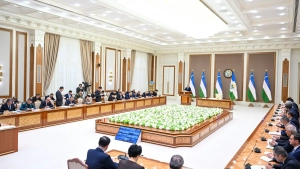
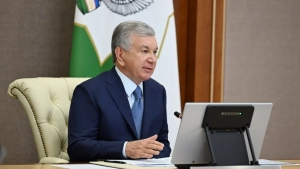
At the videoconference held under the chairmanship of President Shavkat Mirziyoyev, the rates of economic growth for the first quarter of the current year were comprehensively analyzed. This was reported by Zamin.uz.
During the event, the shortcomings allowed in increasing the volume of industrial production and export were critically reviewed. In particular, an instruction was given to take strict disciplinary measures against the khokims of the Sergeli and Shaykhontohur districts of the city of Tashkent, as well as a total of thirteen district khokims in the Jizzakh, Kashkadarya, and other regions, who failed to fulfill the established industrial targets.
In the electrical engineering industry, due to the low level of copper raw material processing, the production volume amounted to just over seven percent instead of eleven.
The fulfillment of the export plan stopped at only fifty-seven percent. The head of state instructed responsible officials to solve existing problems at enterprises by visiting them on site.
By the end of the second quarter, the need to bring the production of electrical engineering products to twenty-five trillion soums, and the export volume to one billion dollars was strictly defined. At the meeting, special attention was also paid to the issue of increasing labor productivity and introducing modern approaches to production.
The President criticized the activities of associations of leading industries such as textile, furniture, and construction materials. It was indicated that these organizations are allowing lagging in introducing leading foreign experience at local enterprises.
The Ministry of Economy and Finance and regional leaders were seriously warned. If positive changes are not observed and the established targets are not reached based on the results of the first half of the current year, the question of these leaders' suitability for the positions they hold will be considered. The need to create a comprehensive system for finding new foreign markets for local products and eliminating problems related to logistics chains was also emphasized.
These measures should serve to ensure the sustainable growth of the country's economy.